Your attic is full of dry wood, and every vent is a door into it.
Summary: Yes. Ember-resistant vents work by stopping wind-blown embers before they get into your attic or crawl space. CAL FIRE says vents with openings larger than 1/8 inch are open to embers, and it recommends 1/16 to 1/8 inch metal mesh. Most older Los Gatos hill homes still have 1/4 inch screen. That screen keeps out birds. It does not keep out embers.
In a wildfire, most of the danger is not the wall of flame. It's the embers that ride the wind ahead of it. CAL FIRE says embers can ignite homes up to a mile away. If one gets through a vent screen and lands on attic insulation or old leaves in the crawl space, the fire starts inside the house, where nobody can see it.
This guide is for homeowners in the Los Gatos hills and nearby foothill towns who want to know if their vents are a weak spot and what to do about it.
How do embers get in through vents?
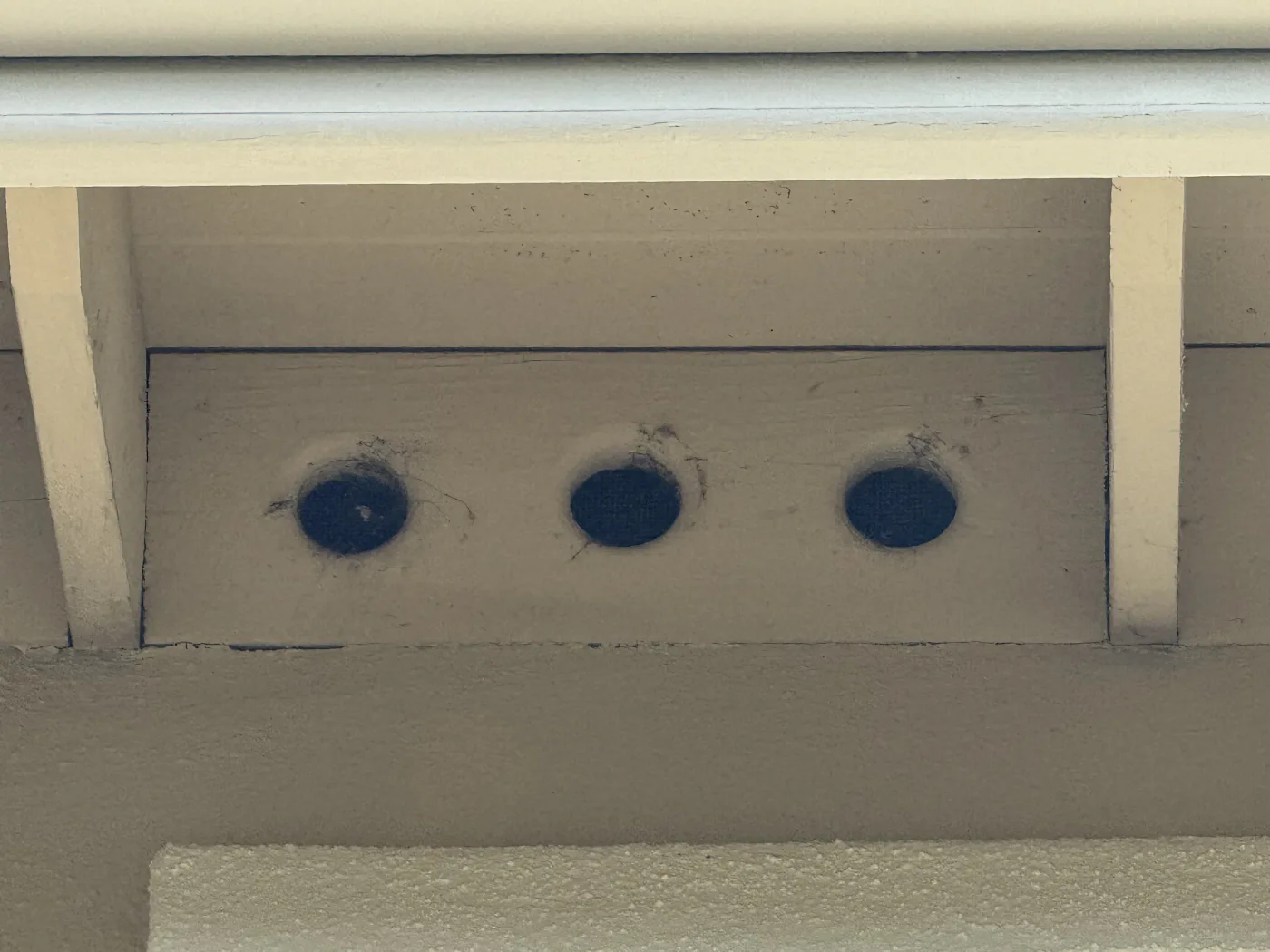
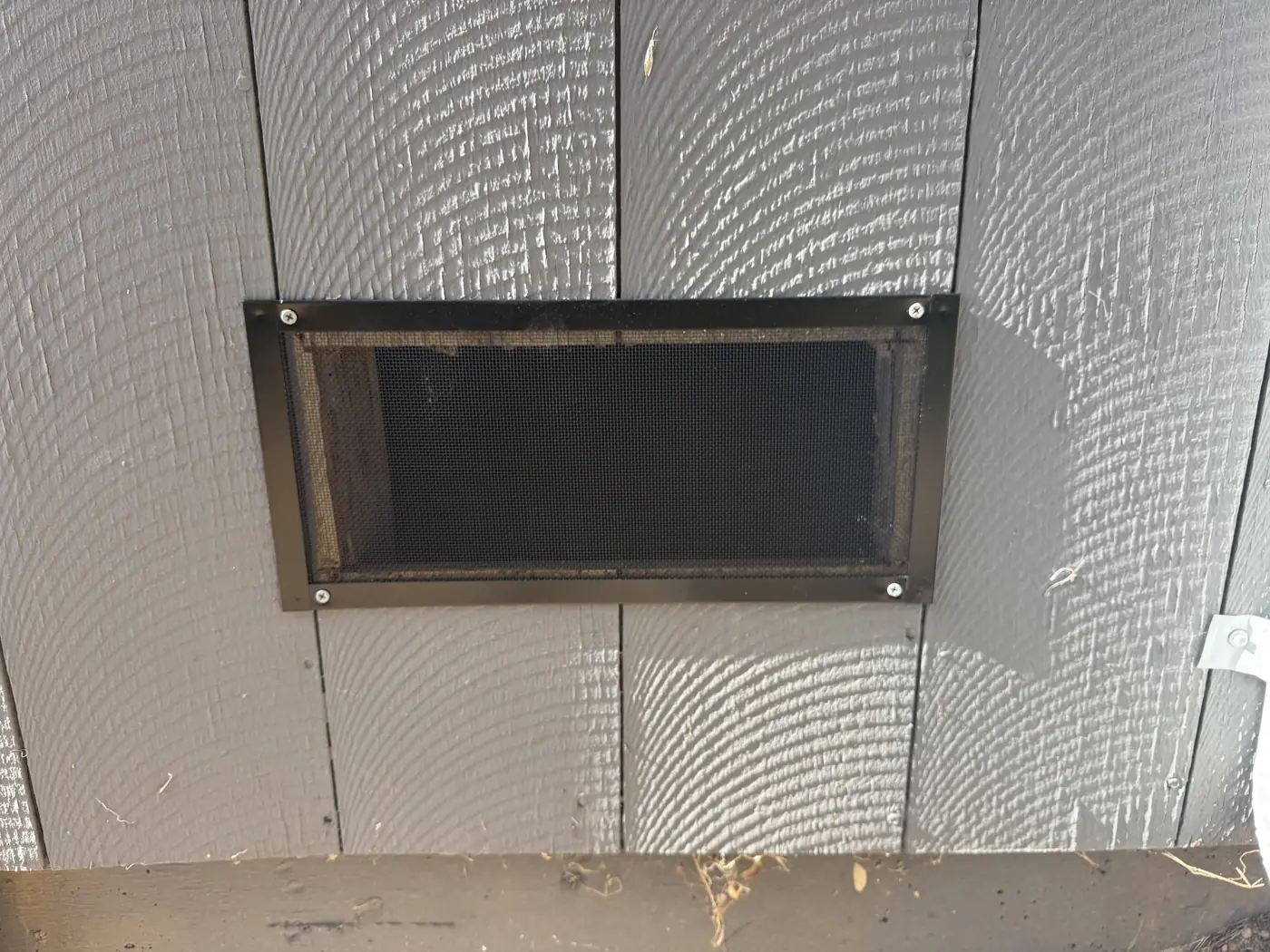
Homes breathe through vents. Eave and soffit vents pull air into the attic, and ridge or gable vents let it out. Foundation vents do the same job for the crawl space. That airflow keeps moisture down, and it also pulls embers in during a windy fire.
CAL FIRE's home hardening page puts it plainly: attic and crawl space vents are where "embers or flames can enter and ignite combustible materials inside your home." It also says vents made of plastic are "highly vulnerable to embers and flames."
Do ember-resistant vents actually work?
Yes, when the mesh is the right size and the vent is kept clean. A fine metal mesh blocks the embers big enough to start a fire, while still letting the house breathe.
Two honest limits:
- Mesh slows embers. It does not stop flames. UC Cooperative Extension notes that vent screens don't stop flame entry. That's why what's near the vent matters too.
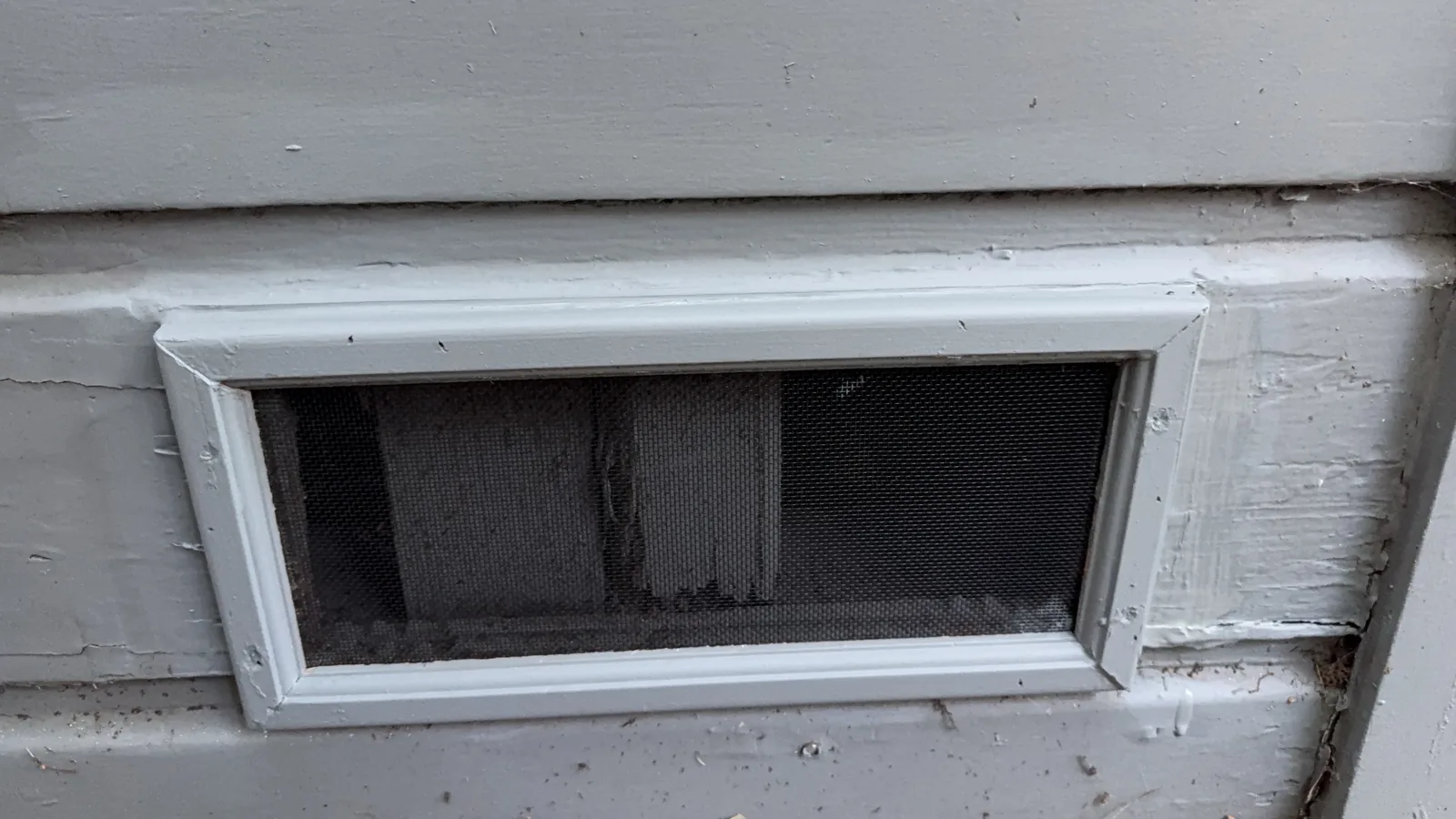
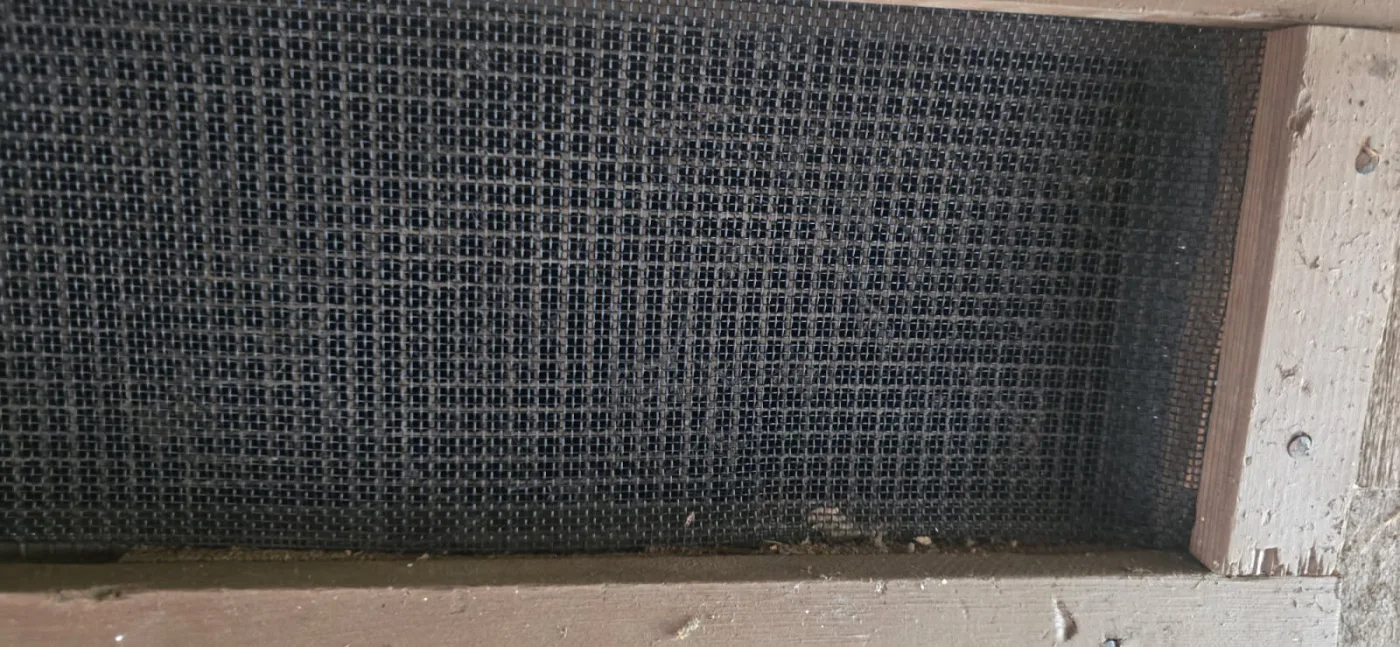
- Fine mesh clogs. The same source shows a 1/16 inch screen painted shut. Fine mesh needs cleaning more often, and it should never be painted over.
No vent, mesh or sprinkler guarantees a home survives a wildfire. Vents close one of the most common ways in.
What mesh size stops embers?
1/16 inch to 1/8 inch, in corrosion-resistant metal.
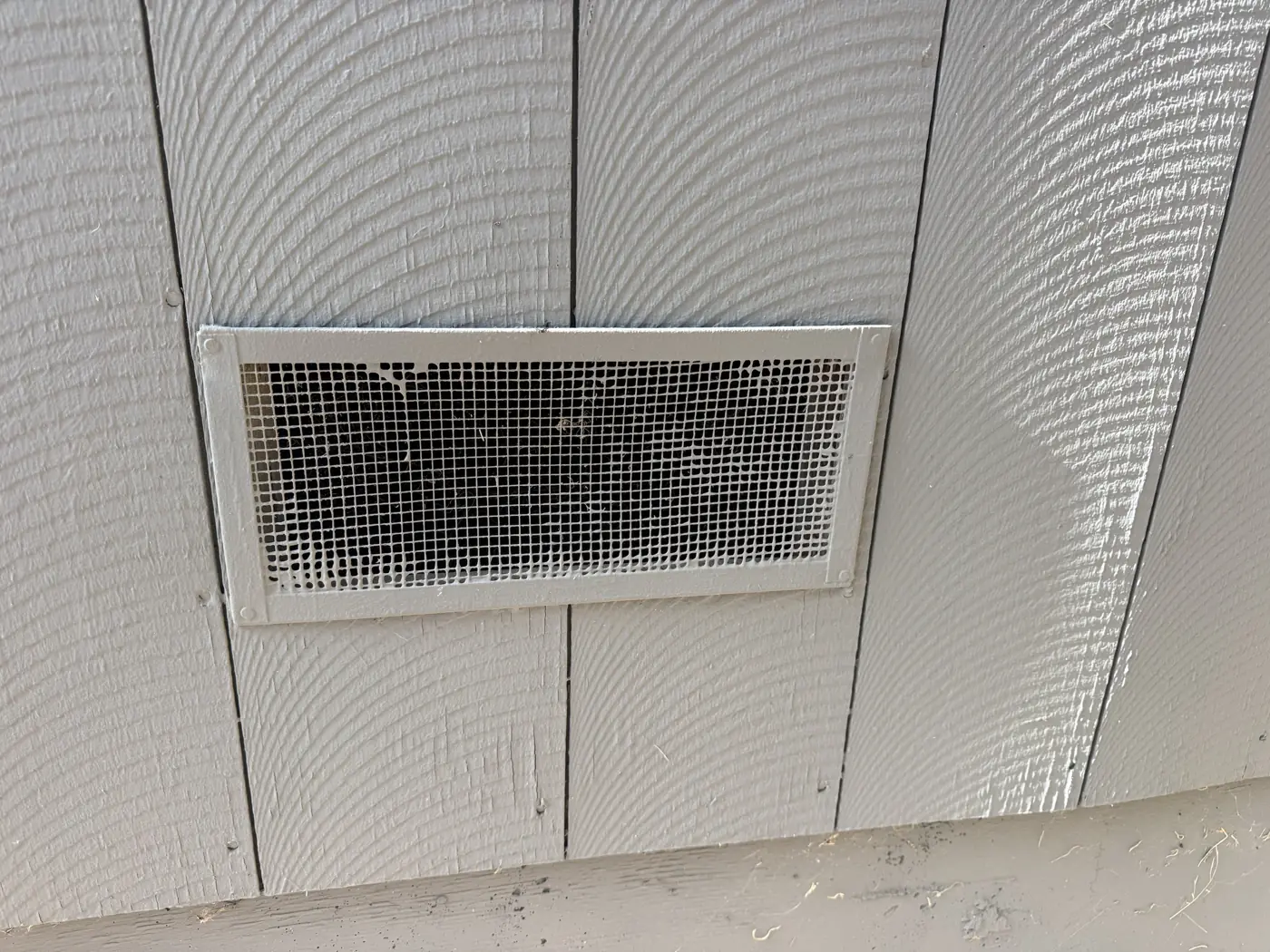
- CAL FIRE recommends "1/16-inch to 1/8-inch noncombustible, corrosion-resistant metal mesh over vents to block embers" (Ready for Wildfire).
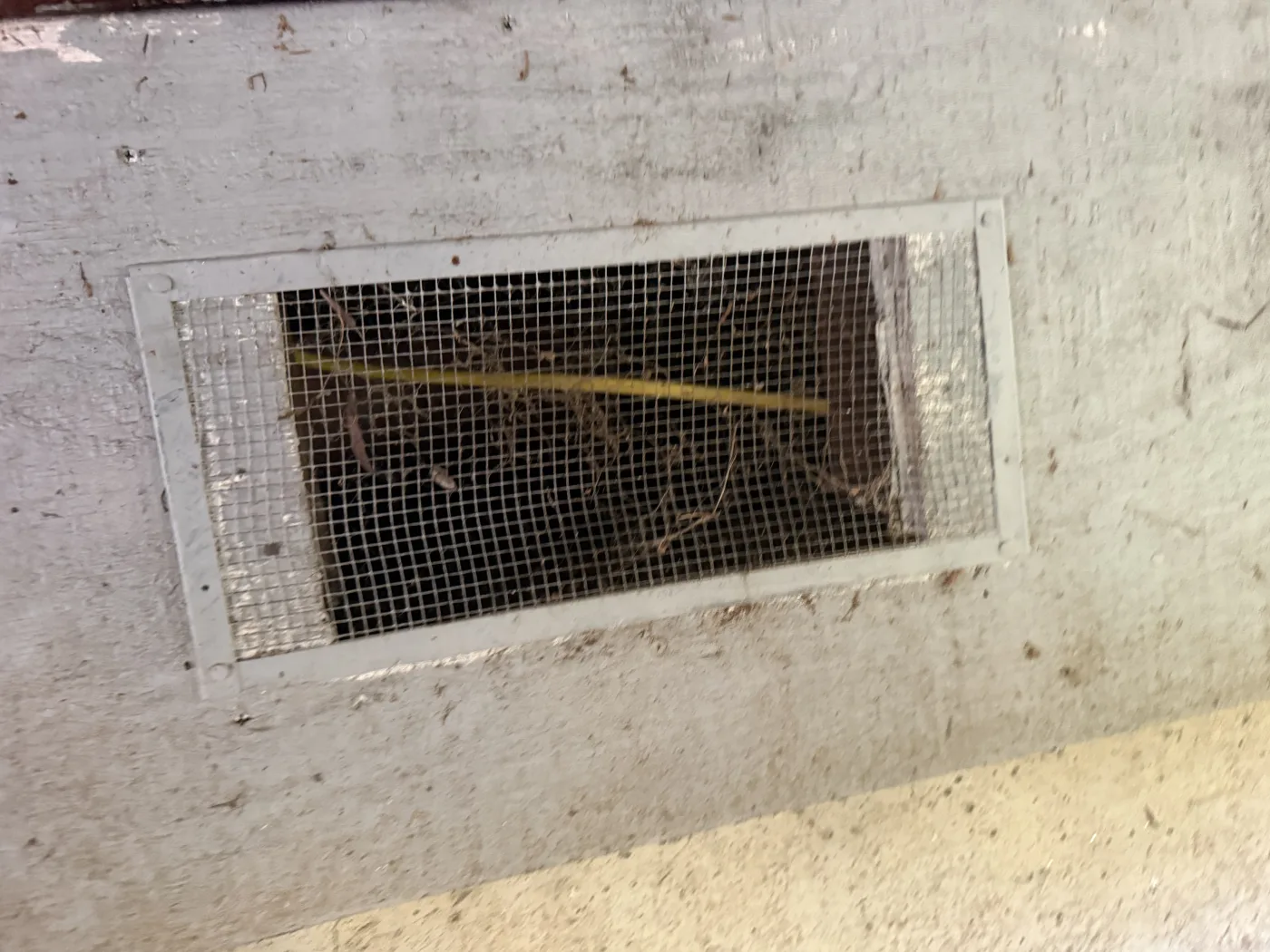
- Fire Safe San Mateo County says to replace common 1/4 inch screens because "they do not stop embers," and to never use fiberglass or plastic mesh because it "melts and burns" (Fire Safe San Mateo).
There's a trade-off. Finer mesh lets less air through. UC Cooperative Extension lists the open area at about 75% for 1/8 inch mesh and about 71% for 1/16 inch. CAL FIRE also warns that these upgrades "may reduce airflow" to attics and underfloor spaces. A good retrofit checks that the attic still gets enough air.
Mesh retrofit or new vents: which do you need?
For most Los Gatos homes, a mesh retrofit over the existing vents does the job. Replace the vent when:
- The vent body is plastic or damaged.
- You're building new or remodeling, and the code calls for a listed vent.
- The vent is a gable or eave vent in a spot that takes direct wind.
A typical Bay Area home has 10 to 30 vents, and a retrofit works with the vents you have, so it's not a remodel. FireRoofs cuts the mesh oversize, fastens it to solid framing, seals the edges with fire-rated caulk and photographs every vent. Those photos matter later if your insurer asks what you did. See the ember-resistant vents page for how it works.
Never mesh over a dryer vent, range hood, chimney or a vent for a gas appliance. Those need open airflow to be safe.
What does California code say about vents?
For new construction and major remodels in fire hazard zones, the 2025 California Wildland-Urban Interface Code, Section 504.10, covers vents in attics, gable ends, ridge ends, eaves, cornices, foundations and crawl spaces. Vents must be tested to ASTM E2886 or listed by the California State Fire Marshal as flame and ember resistant. Where mesh is allowed, openings must be at least 1/16 inch and no more than 1/8 inch (Town of Paradise code summary).
If you aren't remodeling, the code doesn't force you to change your vents. But the Town of Los Gatos tells residents to "use ember-resistant vents," and parts of town sit in CAL FIRE's Very High Fire Hazard Severity Zone. Our Los Gatos wildfire risk page has the local details.
Your 15-minute vent walk-around
Grab a flashlight and a tape measure. Walk the house once.
- Count your vents. Eaves, gable ends, roof, and foundation. Most homes have more than owners think.
- Check the screen size. If you can fit a pencil tip through it, it's likely 1/4 inch. That's too big.
- Look at the material. Plastic vent, plastic screen or fiberglass mesh means replace.
- Look behind the screen. Leaves, needles or nests inside are fuel. Clean them out.
- Check for paint. A painted-over fine mesh may be blocked. Your attic needs that air.
- Look at the ground. Plants, mulch or firewood under a foundation vent give embers something to light right at the opening.
- Skip the dryer, range hood, chimney and gas vents. Those stay open.
Want a second set of eyes? The Town of Los Gatos page lists free wildfire home inspections from Santa Clara County Fire Department. FireRoofs also does a free on-site evaluation.
Where do exterior fire sprinklers fit?
Vents keep embers out of the house. Exterior fire sprinklers wet down what's around it: the roof, the eaves and the ground near the walls. They're two different jobs.
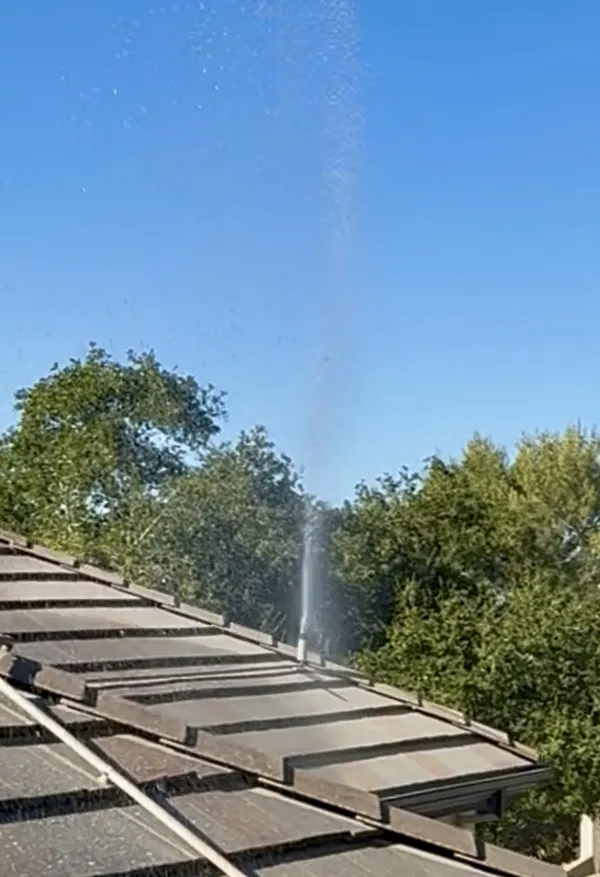
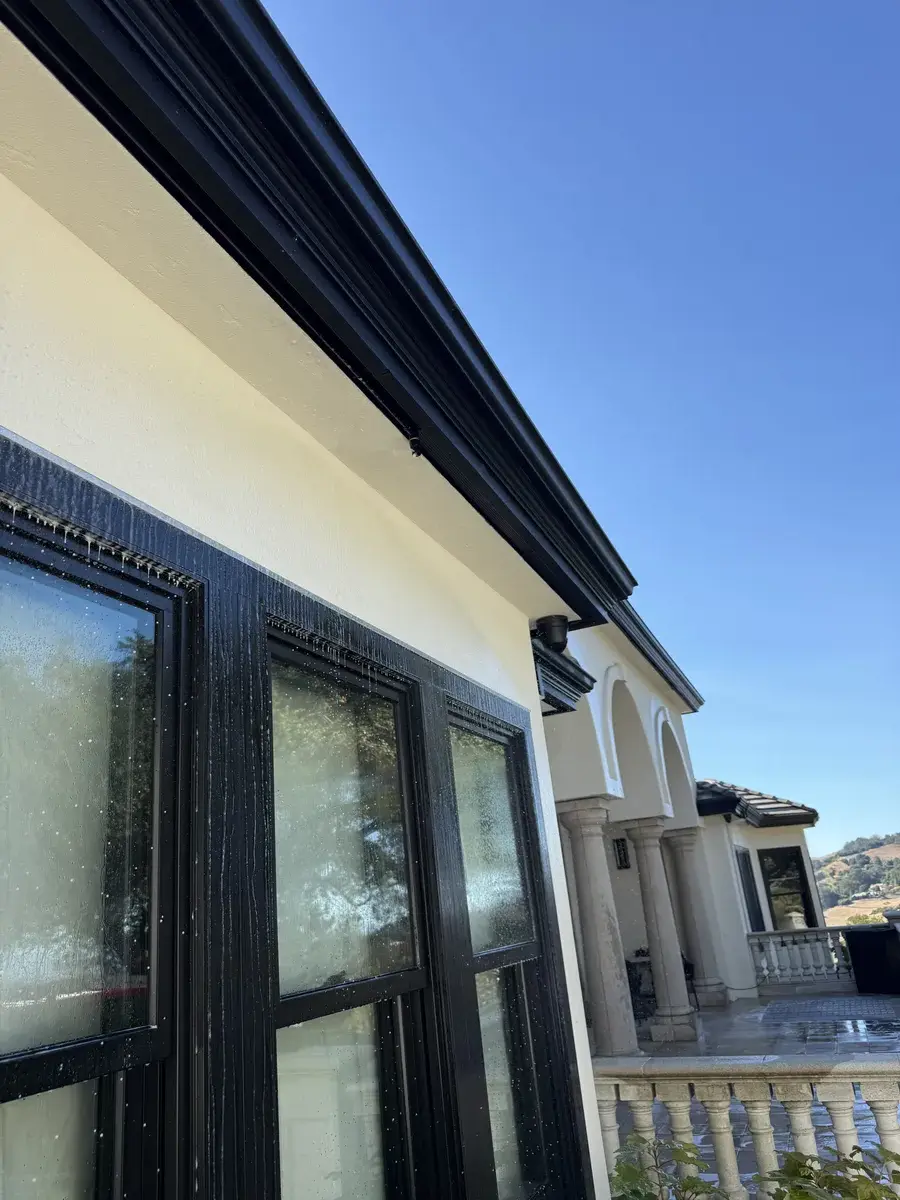
FireRoofs systems use eave-mounted heads aimed at soffits, vents and window frames, plus roof and perimeter heads. Wetting the area around the vents means fewer embers land on dry fuel next to them. See how it works. It's a layer of defense, not a guarantee.
Frequently asked questions
Do ember-resistant vents really work?
Yes. Metal mesh with 1/16 to 1/8 inch openings blocks the embers large enough to start a fire in an attic or crawl space. CAL FIRE recommends this mesh size for every vent. Mesh does not stop flames, so keep plants and debris away from vents, and clean fine mesh so it doesn't clog.
Is 1/4 inch vent screen good enough for wildfire?
No. Quarter-inch screen is the old standard for keeping out birds and rodents. Fire Safe San Mateo County says it does "not stop embers," and CAL FIRE says openings larger than 1/8 inch are open to embers.
Can I just put mesh over my existing vents?
On most homes, yes. Corrosion-resistant metal mesh fastened over a sound vent is what CAL FIRE recommends. Replace the vent if it's plastic, damaged, or part of a new build or remodel that needs a listed vent. Never cover dryer, range hood, chimney or gas appliance vents.
Will finer vent mesh cause moisture problems?
It can if it's done wrong. Finer mesh lets less air through, about 71% open area at 1/16 inch versus 75% at 1/8 inch. Keep mesh clean, never paint over it, and have the installer check that the attic still has enough venting.
Do I have to upgrade my vents in Los Gatos?
Not unless you build new or remodel in a fire hazard zone, where the California WUI code requires tested or listed vents. For existing homes it's voluntary. The Town of Los Gatos still recommends ember-resistant vents for every home.
How many vents does a typical home have?
Most Bay Area homes we see have 10 to 30 vents across eaves, gables, roof and foundation. It's worth walking the whole house before you guess.
The bottom line
Ember-resistant vents work, and on most Los Gatos homes the fix is fine metal mesh over the vents you already have. It's one of the simplest ways to close the door embers use to get inside. Do the 15-minute walk-around this weekend, then request a private consultation if you want help with the rest of the house.
Ready to protect your home? Request a private consultation
FireRoofs LLC. All work is performed by licensed and insured contractors.