A DIY Wildfire Sprinkler System Only Works If You Are Home.
An automated system activates even after you evacuate.
What a DIY system can and cannot do
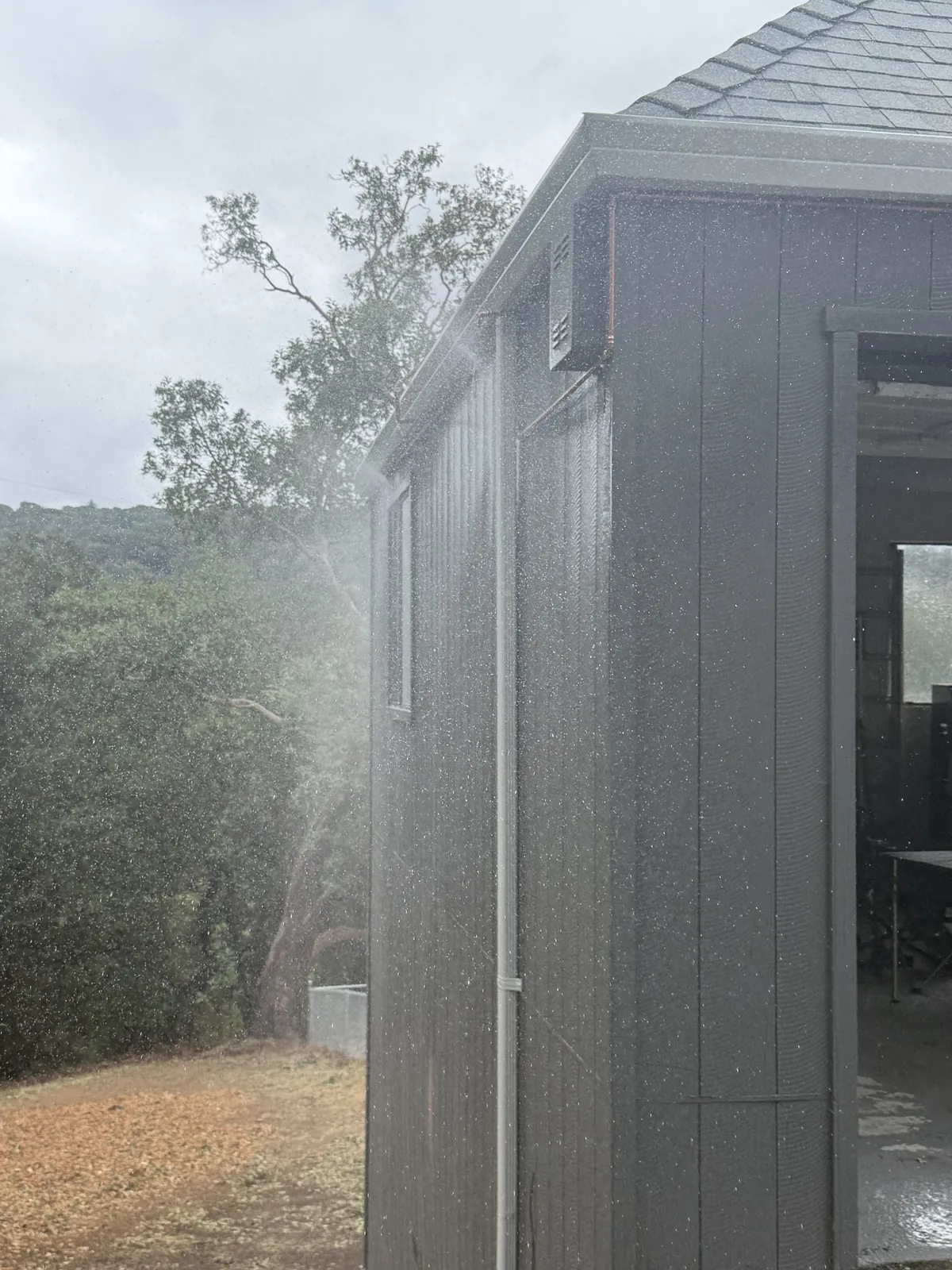
A DIY wildfire sprinkler system is a set of roof or ground sprinklers you install and turn on by hand, usually with a pump and a garden hose or pool water. It can wet a home in a pinch, but it depends on someone being there to start it and keep it running. An automated system detects fire and activates on its own, even after you evacuate.
Let us be straight, because you deserve an honest answer even if it costs us a sale. A DIY kit is better than nothing. If you are home, the power is on, your water is flowing, and you have time to set it up, sprinklers on the roof will help wet things down. Plenty of homeowners have rigged something up and it made a difference.
The problem is that wildfires rarely give you those conditions. Evacuation orders often come fast. The power frequently goes out. Municipal water pressure can drop when the whole neighborhood and the fire crews are drawing on it at once. And a manual system does nothing if you are at work in San Jose while the fire is climbing the ridge toward your house in the hills.
DIY sprinkler kit
- Lower upfront cost
- Can help if you are home and set up early
- Needs a person to turn it on and monitor it
- Fails if power or water pressure drops
- No fire detection, no automatic start
- Usually not documented for insurance
Automated FireRoofs system
- Detects regional wildfire activity
- Activates on its own, even after you leave
- Backup power and dedicated water supply
- Commercial and industrial grade components
- Carrier-ready insurance documentation
- Higher upfront investment
The three things a DIY setup usually misses
First, detection. A DIY kit has none. Someone has to notice the fire and decide to act. An automated system watches for fire and starts water on its own for a confirmed fire, and you can cancel from the app.
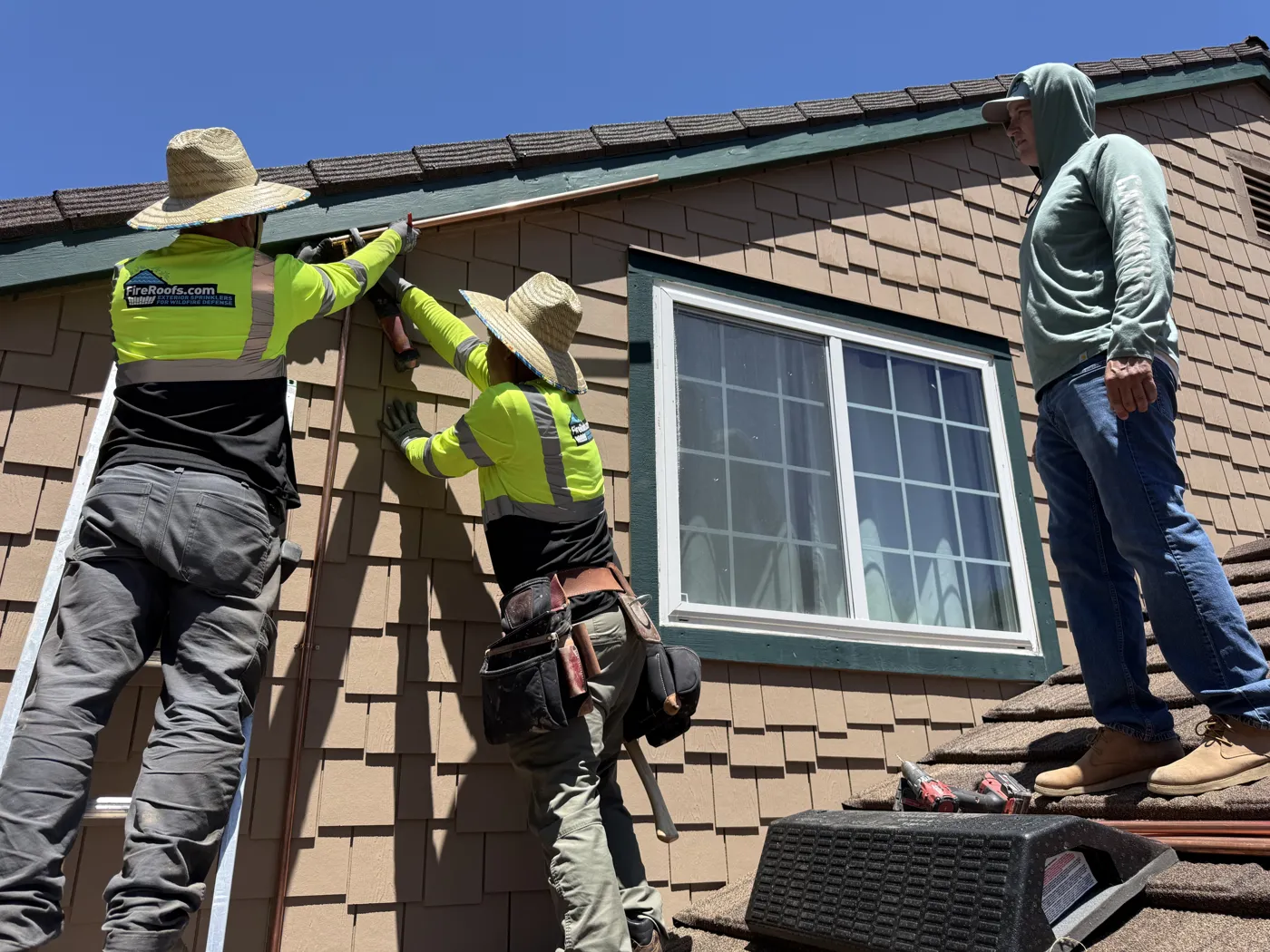
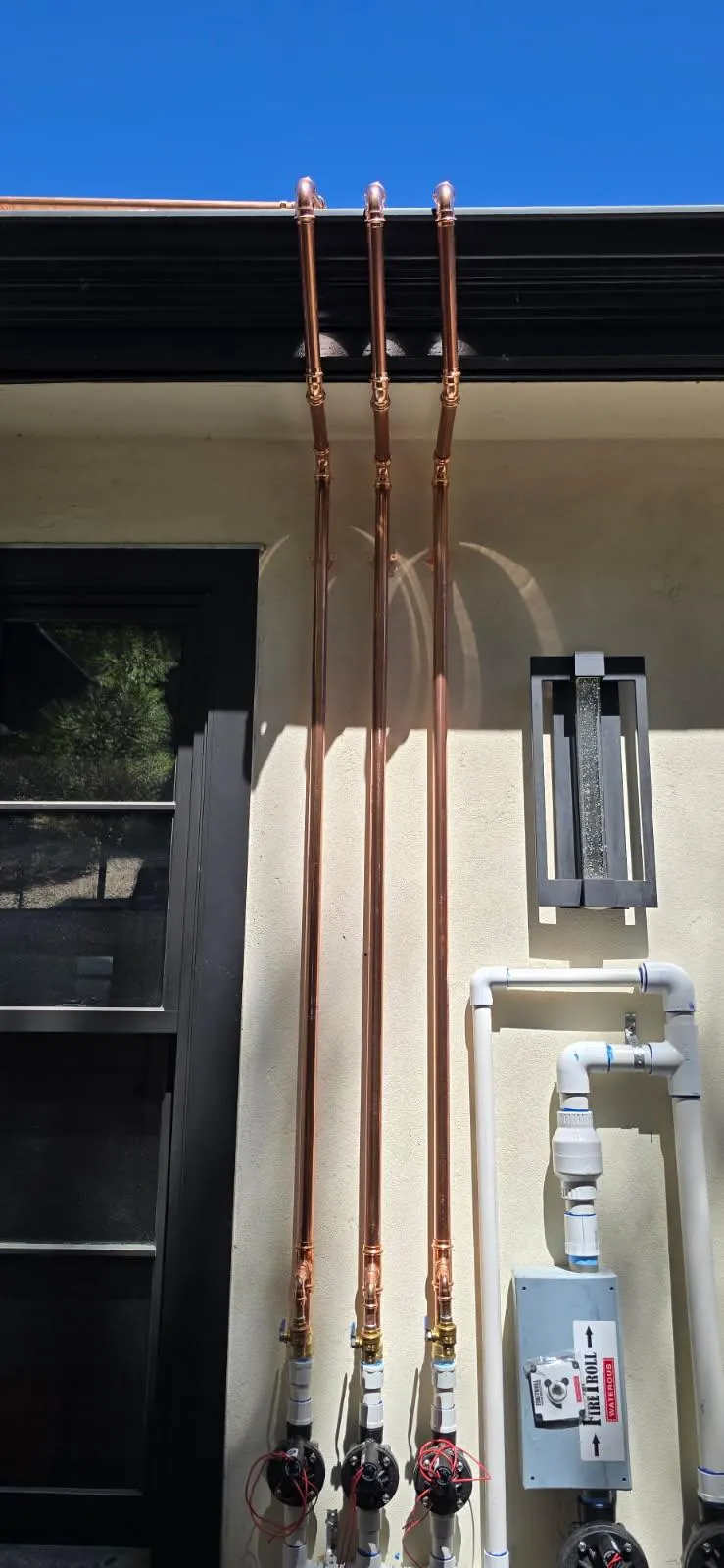
Second, water and power that hold up under a real fire. We design systems around a dedicated supply, a pump, and backup power, so the sprinklers keep running when the grid and the street main let you down. A garden hose off city pressure is the first thing to fail.
Third, documentation. Insurance carriers in California look at mitigation under Regulation 2644.9. A professionally installed and documented system gives your broker something to work with. A pile of hardware-store parts does not. If pricing is your main question, our wildfire sprinkler system cost page lays out the real numbers.
So should you DIY it?
If the budget is not there yet, a DIY setup plus solid defensible space and home hardening is a reasonable start, and we would rather see you do that than nothing. But understand its limits. The day you want protection that works whether or not you are standing in the driveway, that is when an automated system earns its cost.
Want a straight answer for your property?
Speak to our team today at  831-705-0888. We will tell you honestly what a DIY approach can do for your home and where it falls short.
Common Questions
Does a DIY wildfire sprinkler system work?
It can help if you are home, the power is on and your water is flowing, but it depends on someone being there to start and watch it. It has no fire detection and does not turn on by itself, so it does nothing once you evacuate or if power and water pressure drop.
What is the difference between a DIY and an automated wildfire sprinkler system?
A DIY kit is turned on manually and relies on a garden hose or pool water and street pressure. An automated system detects regional wildfire activity, activates on its own even after you evacuate, and runs on a dedicated water supply with backup power.
Is a DIY wildfire sprinkler system better than nothing?
Yes, a DIY setup combined with defensible space and home hardening is better than no protection at all. The main limitation is that it requires a person to operate it, so it cannot protect a home that has already been evacuated.
Compare your options with someone who installs them.
We come out, look at your water and your roof, and give you an honest read on DIY versus a full system. No pressure.
Request a Private Consultation