Palo Alto Wildfire Protection: Fire Zone, Insurance and Home Hardening
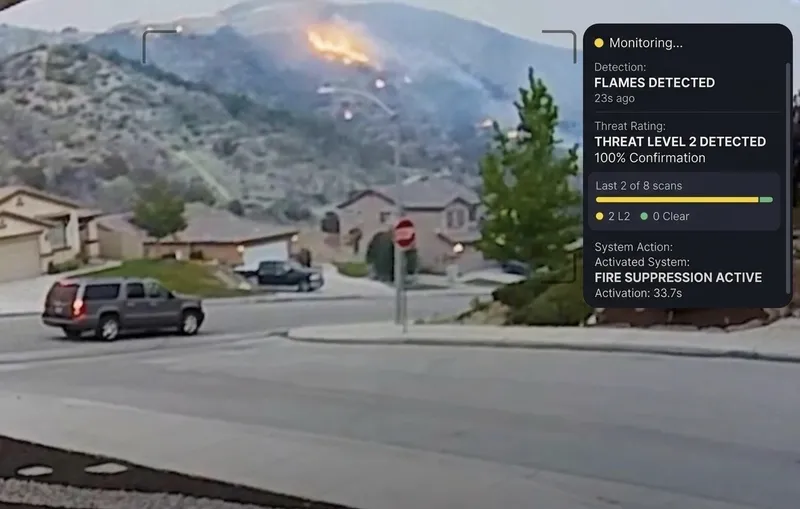
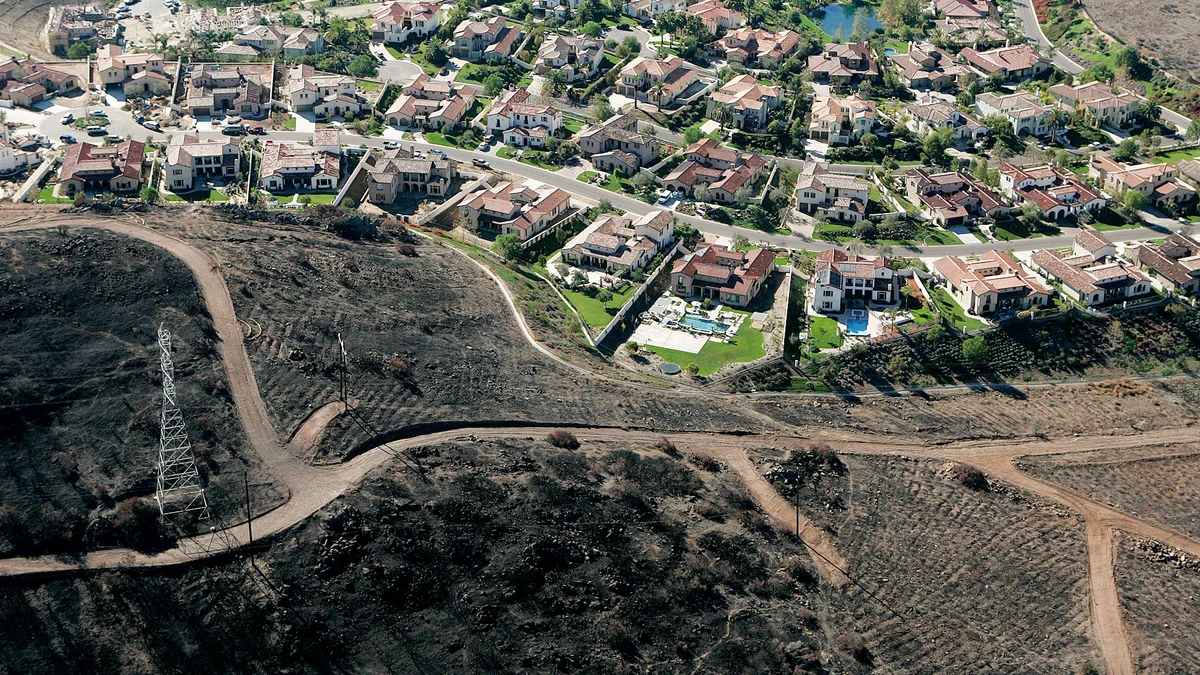
Palo Alto's wildfire exposure is concentrated and well-documented. Approximately 130 homes in the Palo Alto Hills and Foothills Park area sit within designated fire hazard zones where the valley floor rises steeply into the Santa Cruz Mountains. These properties are accessed via Moody Road, Alexis Drive, and Page Mill Road, all narrow, winding routes through heavy tree canopy. In 2021, a vegetation fire along Arastradero Road required a multi-agency response and highlighted the access challenges that fire crews face in this terrain. The City of Palo Alto has invested in a fuel management program and an automated camera detection system for early fire spotting.
homes in the Very High Fire Hazard Severity Zone
Santa Clara County
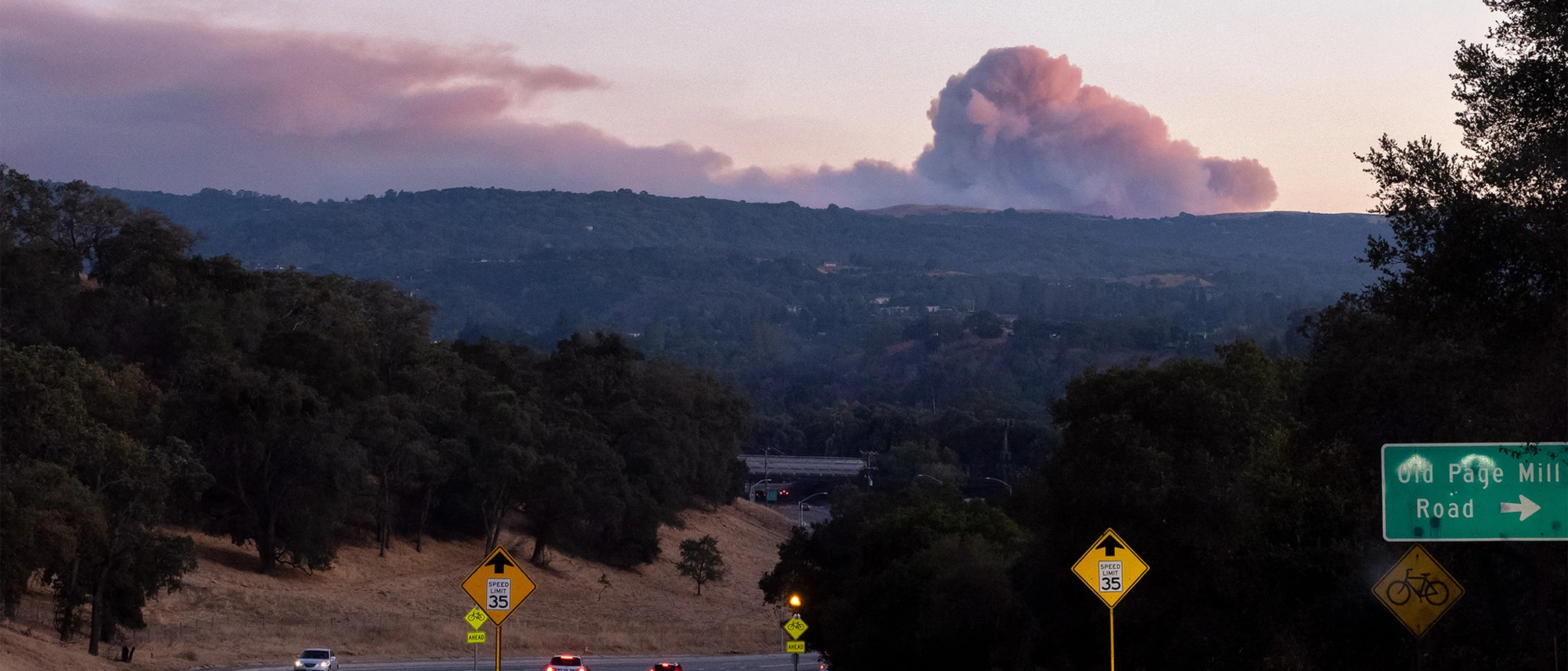
About 130 homes in the Palo Alto Hills and Foothills Park area sit within designated fire hazard zones accessed by narrow, winding roads.
Palo Alto Fire Protection Resources
Fire Hazard Zone Lookup
Check whether your Palo Alto address is in a Very High, High, or Moderate Fire Hazard Severity Zone using CAL FIRE 2025 maps.
Look up your addressEvacuation Map
Santa Clara County evacuation zones, routes, and real-time status during active incidents.
Santa Clara County Evacuation Map (Genasys Protect)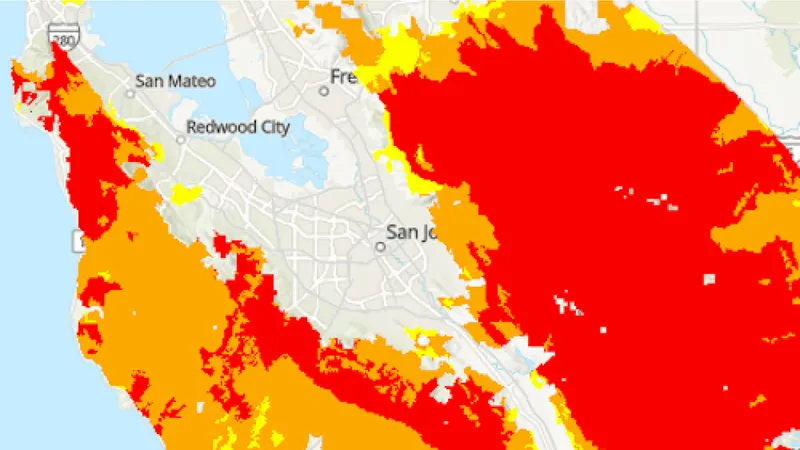
CAL FIRE Very High Fire Hazard Severity Zones (VHFHSZ) shown in red/orange
Source: CAL FIRE Fire Hazard Severity Zone data via Bay Area News Group
CAL FIRE VHFHSZ Designation
Very High FHSZ is designated in the foothills area with approximately 130 homes in the hazard severity zone per the Palo Alto Fire Department. Local Responsibility Area. Updated per 2025 CAL FIRE maps.
Palo Alto's Wildfire Record
Understanding past fires helps predict future risk. Here are the most significant fire events near Palo Alto.
The SCU Lightning Complex burned in the Diablo Range to the east but did not enter Palo Alto. The city experienced smoke impacts during the fire event.
Park rangers from multiple jurisdictions conducted wildfire prevention training at Foothills Nature Preserve on October 8, 2025, reflecting the city's proactive approach to wildfire readiness.
Local Risk Factors
Steep Foothills Terrain
The Palo Alto Foothills area rises steeply from the valley floor into the Santa Cruz Mountains, creating challenging firefighting conditions and limited evacuation routes.
Extensive Open Space
Foothills Nature Preserve (1,400+ acres), Pearson-Arastradero Preserve, and multiple MROSD preserves border residential areas with thousands of acres of wildland fuel.
Page Mill Road Wind Corridor
Diablo wind events from the northeast accelerate fires moving downslope. The Page Mill Road corridor experiences significant wind exposure during Red Flag conditions.
Limited Hillside Egress
Foothill neighborhoods have limited evacuation routes, primarily Page Mill Road, Alpine Road, and Arastradero Road, creating potential bottlenecks during emergencies.
Live fire status near Palo Alto
Track active incidents, Red Flag Warnings, air quality, PSPS power shutoffs, and evacuation resources for the Santa Clara County area, updated throughout the day.
Request a private consultation. We will design and install the right sprinkler and hardening system for your home.
Request a Private ConsultationPalo Alto Fire Environment
Vegetation Types
Wind Patterns
Diablo wind events from the northeast; Page Mill Road corridor wind exposure; Red Flag Warnings several times per fire season
Topography
Valley floor to steep foothills. Western edge rises into the Santa Cruz Mountains. Approximately 130 homes are situated in the steep foothill zone with significant elevation changes.
Protecting Your Palo Alto Home & Family
Living in a fire-prone area means being proactive. Here are the steps every Palo Alto homeowner should take to protect their property and prepare for wildfire season.
Evacuation Planning
Know routes via Page Mill Road, Alpine Road, and Arastradero Road to I-280. Palo Alto updated its Emergency Operations Plan in 2025 with goals to contain fires to 10 acres or less while evacuating civilians. Register for AlertSCC notifications.
Defensible Space
Clear vegetation within 5 feet of structures annually as recommended by PAFD. Take advantage of free Home Ignition Zone assessments through the PAFD Ready, Set, Go! program. The city conducts routine fuel mitigation near roads and homes in the foothills year-round.
Your Local Fire Safe Council
Palo Alto Community Wildfire Protection Plan
Palo Alto Wildfire Preparedness Resources
Palo Alto Fire Department
Free Home Ignition Zone assessments, Ready, Set, Go! program, and year-round vegetation mitigation in the foothills.
PAFDFoothills Nature Preserve
Information about wildfire management and prevention training in Palo Alto's adjacent open space.
City of Palo AltoCAL FIRE Defensible Space Guide
Official California guide to creating defensible space zones around your property.
CAL FIREProtect Your Palo Alto Home with FireRoofs
- Ember-resistant vents, enclosed eaves and noncombustible fencing
- Zone 0 hardening within 5 feet of the house
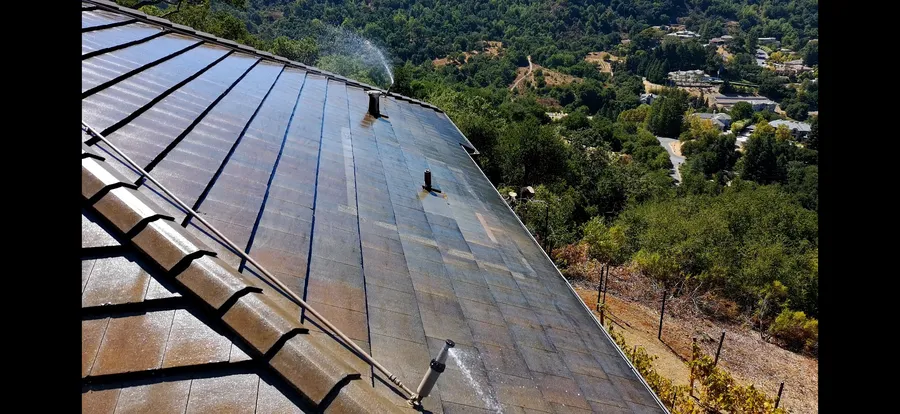
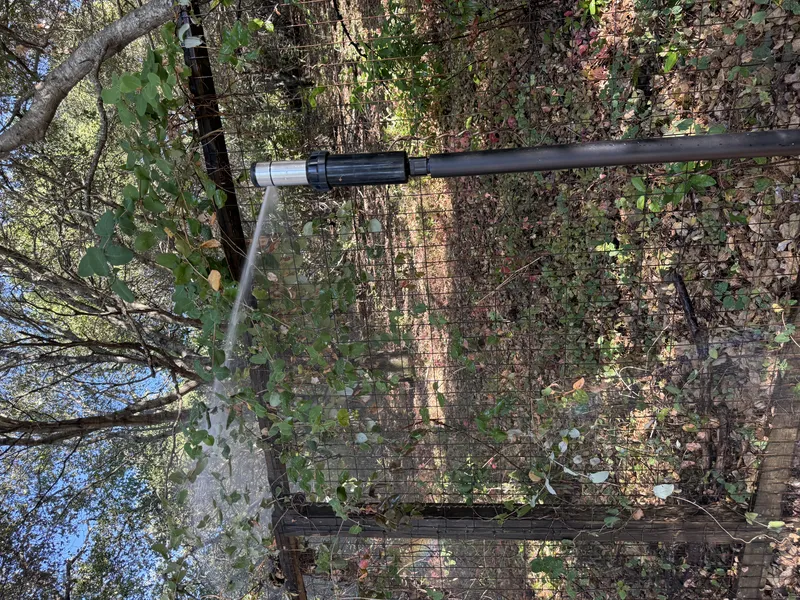
- Automated exterior sprinklers for roof and perimeter
- One insurance documentation packet for every upgrade
Local Wildfire Resources for Palo Alto Homeowners
Rules and requirements can change. Verify current requirements with your city or fire district before taking action.
Tree Removal and Defensible Space Rules
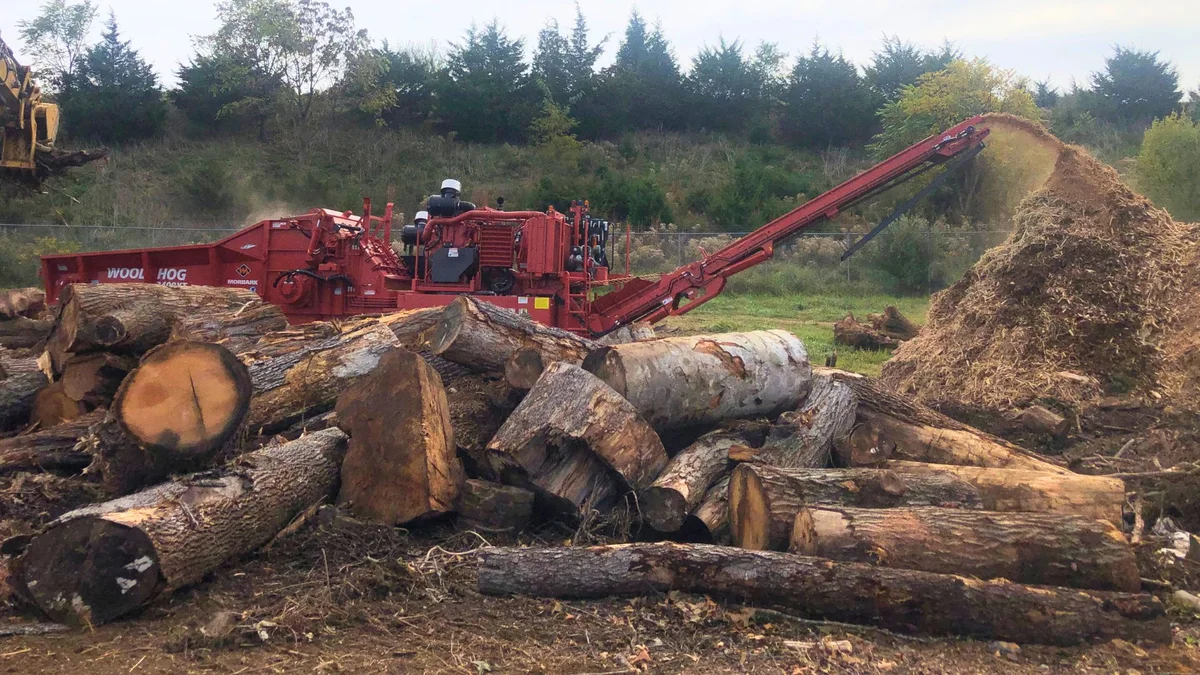
Palo Alto updated its Tree Protection Ordinance (PAMC Chapter 8.10) in June 2022. Protected trees include those 15 inches or greater in diameter (18 inches for redwoods). Invasive species and high water use trees are excluded from protection. Exceptions allow removal of trees deemed incompatible with environment or detrimental to adjacent protected trees.
Fire Hazard Severity Zone: Very High in foothills area. Approximately 130 homes within the hazard severity zone per PAFD. Local Responsibility Area.
Free Programs for Palo Alto Homeowners
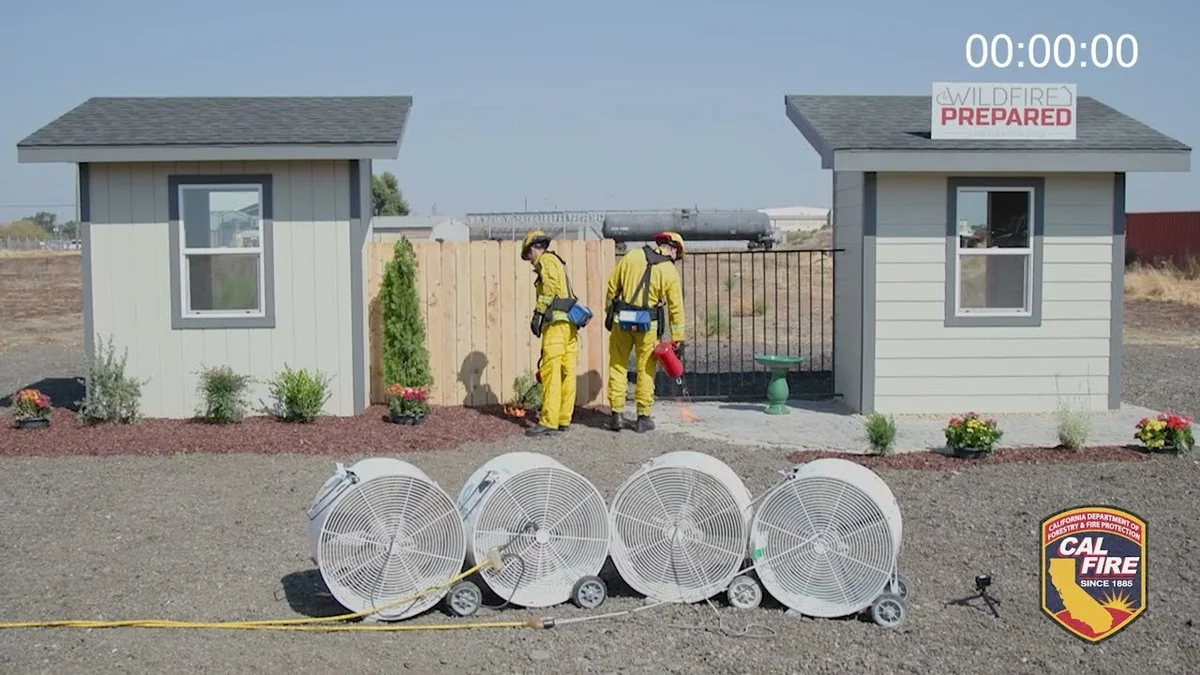
- Free Home Ignition Zone (HIZ) assessments via PAFD Ready, Set, Go! program
- Routine city-led vegetation mitigation on Page Mill Road corridor
- Underground power line project in foothills (initiated 2025 by City of Palo Alto Utilities)
Your Fire District
Palo Alto Fire Department (PAFD, municipal)
Community Designations
- Active Ready, Set, Go! program participant
- Palo Alto Community Wildfire Protection Plan
Community designations like Firewise USA and Fire Risk Reduction Community may qualify homeowners for insurance benefits under California's Safer from Wildfires regulation.
Nearby Communities We Serve
FireRoofs also installs wildfire defense systems in neighboring communities with similar WUI risk profiles.
If You Lose the Home
Losing a Palo Alto Foothills Home: What Recovery Looks Like
The roughly 130 homes in Palo Alto's foothill zone sit on steep terrain accessed by narrow, winding roads through heavy tree canopy. If fire moved through that area, the rebuilding process would begin in a construction market already strained by prior disaster recoveries across the region. The figures below come from those recoveries and give a realistic picture of what families face.
18%
Rebuilt Homes Remain a Small Fraction
More than five years after the 2020 CZU Lightning Complex burned through the region, approximately 160 of the more than 900 homes it destroyed had been reconstructed by December 2025, a figure representing roughly 18 percent of the total lost. Many families spent those years in rentals or temporary housing.[1]
$700-$800/sq ft
Construction Costs Surge After Disasters
A 2022 survey cited by the Santa Cruz County Grand Jury found construction costs climbed from roughly $200 to $300 per square foot before the CZU fire to $700 to $800 per square foot afterward. Palo Alto's already high land costs would compound that pressure.[1]
52%
Insurance Settlements Drag On for Years
A full year past the 2017 Tubbs Fire, 52 percent of residents whose homes were destroyed remained without settlements from their insurance companies. Carrying a mortgage while waiting for a settlement is a financial strain few households plan for.[2]
“If you are underinsured, they’ll be off the hook.”
Keeping Home Insurance in Palo Alto
Homeowners in Palo Alto are facing surging FAIR Plan rates and non-renewals from private carriers. California's Safer from Wildfires framework now requires participating insurers to offer discounts for documented mitigation systems. FireRoofs provides the engineering documentation and evidence packet designed to help you qualify for the voluntary market.
Palo Alto foothill properties regularly exceed $5M, with many estates $10M+. All foothill properties exceed the $3M FAIR Plan dwelling coverage cap, creating significant underinsurance gaps for this luxury market.
Got a notice from your insurer? Here is what to do after a non-renewal.
Request a Private ConsultationProtect Your Palo Alto Property Today
Every Palo Alto property is different. Request a private consultation of your home's wildfire exposure and a custom defense plan.
Common Questions
What wildfire risk does Palo Alto face?
Palo Alto is designated a Very High Fire Hazard Severity Zone by CAL FIRE. Santa Clara County fire maps confirm extreme exposure driven by oak woodland and chaparral fuel loads and dry-season wind patterns. The Palo Alto Foothills area rises steeply from the valley floor into the Santa Cruz Mountains, creating challenging firefighting conditions and limited evacuation routes.
Do exterior wildfire sprinklers qualify for an insurance discount in Palo Alto?
Exterior sprinklers are not one of the named Safer from Wildfires categories, so no carrier is required to discount for them. A documented FireRoofs project produces evidence for the categories that are named, such as ember-resistant vents, enclosed eaves, defensible space and a noncombustible Zone 0. Discounts vary by carrier.
How many homes are in Palo Alto's fire hazard zone?
Approximately 130 homes are within the Very High Fire Hazard Severity Zone in the Palo Alto foothills per PAFD. These properties receive proactive inspection and vegetation management services.
Does Palo Alto have unique wildfire mitigation programs?
Yes. PAFD offers free Home Ignition Zone assessments through Ready, Set, Go! The city conducts year-round vegetation mitigation along Page Mill Road corridor and initiated a power line undergrounding project in the foothills in 2025.
Can I remove trees in Palo Alto for defensible space?
Tree removal requires a permit through Palo Alto Urban Forestry. Protected trees are 15 inches or greater in diameter. Exceptions exist for invasive species, high water use trees, and trees incompatible with the environment.