Every Product Here Is State Fire Marshal Listed.
Fire-resistant decking, siding, vents, roofing, and windows tested under Chapter 7A with OSFM Building Materials Listing numbers. These materials pair with an automated exterior sprinkler system for a complete active-plus-passive wildfire defense.
All work is performed by licensed and insured contractors.
Last updated: August 2026
What We Cover
Decking
AZEK, Trex, Fiberon: Class A PVC and composite
Siding
James Hardie, LP SmartSide: fiber cement and treated
Vents
Brandguard, Vulcan: ember-resistant 1/8" mesh
Roofing and Windows
Class A metal, tile, and tempered glass
OSFM
Listed Handbook
41
Communities Served
Every product listed here is tested and verified by the California State Fire Marshal under Chapter 7A. OSFM listing numbers included so you can verify each one.
Reviewed by Shawn Gardner and Walt Mullins
Co-founders of FireRoofs with over 50 years of combined experience in construction, irrigation, and wildfire defense across the San Francisco Bay Area. All work is performed by licensed and insured contractors. Learn more about us
How We Pick Our Top Products
Every product on this page is pulled from the OSFM WUI Products Handbook and carries a verified Building Materials Listing (BML) number. Our top picks are based on four things: fire test results (ASTM E108, E136, E2886, and E84 scores), feedback from our crews and partner contractors across 41 Bay Area communities, warranty length and manufacturer support, and local availability through Northern California distributors. We do not accept payment or sponsorship from any manufacturer. If a product earns a top pick star, it is because our crews and partner contractors have worked with it, seen how it holds up, and would put it on our own homes.
Which of These Does My House Need?
Every home in the WUI has different vulnerabilities. A satellite assessment pinpoints which materials and upgrades apply to your property.
- Satellite analysis of your roof, vents, eaves, and fencing
- Category-by-category compliance check against Safer from Wildfires
- Priority list your insurance broker can use immediately
Product Categories
Fire-Resistant Decking
3 top picks
Fire-Resistant Siding for Homes Near Wildfire
3 top picks
Ember-Resistant Vents Approved for California WUI Zones
2 top picks
Class A Fire-Rated Roofing for California Homes
3 top picks
Windows and Doors for WUI Zone Construction
2 top picks
Eave, Soffit, and Underside Protection
3 top picks
Fire-Treated Lumber and Specialty Materials
2 top picks
🏗️Best Fire-Resistant Decking for California Wildfire Zones
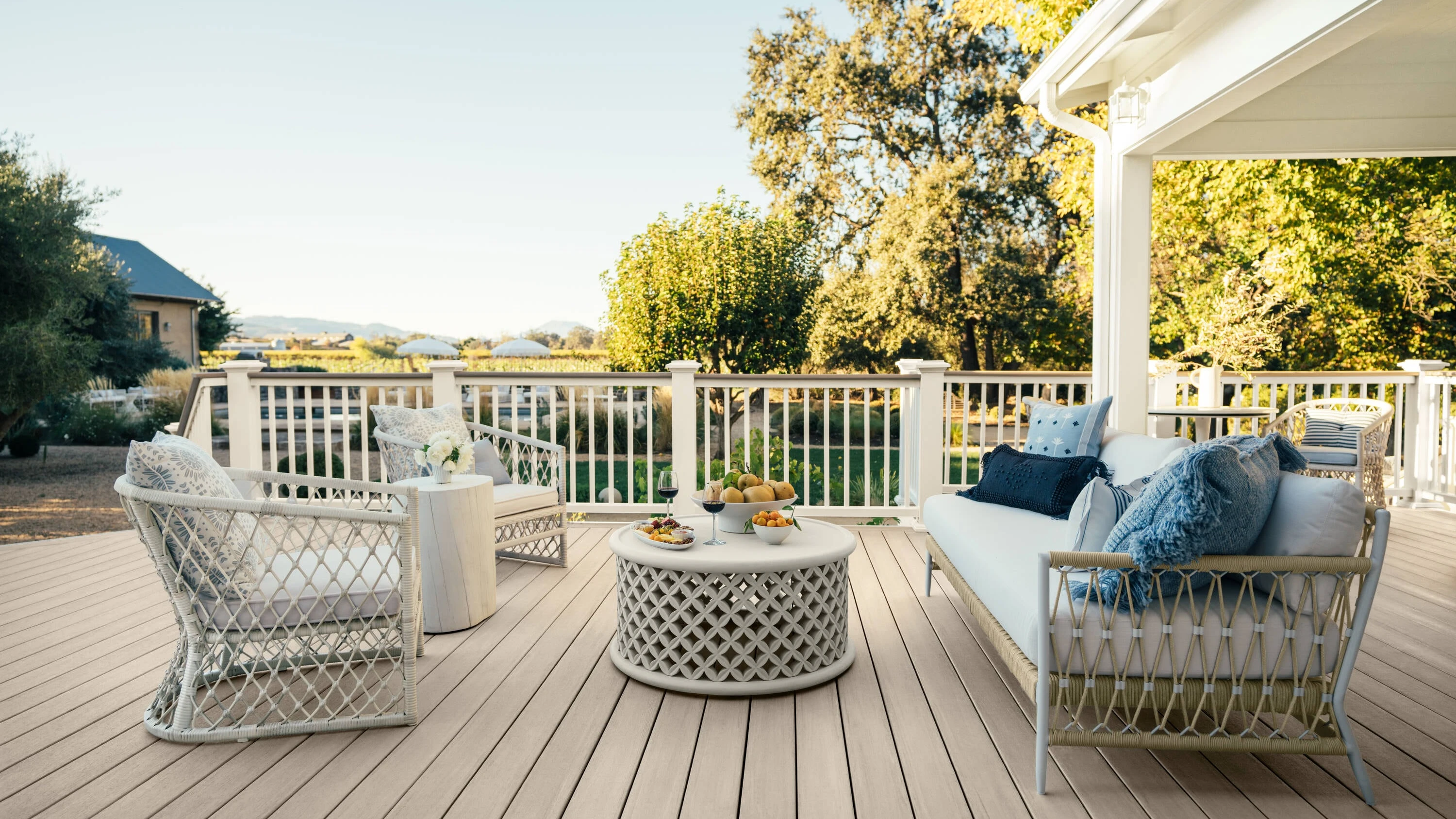
The best fire-resistant decking for California wildfire zones is AZEK Landmark Collection (Class A PVC, BML 8110-2042:0503), Trex Transcend/Refuge (WUI-Compliant composite and PVC), and Fiberon Paramount PVC (Class A, BML 8110-2045:0008). All three are listed in the current OSFM WUI Products Handbook edition. PVC decking leads the category because it contains zero wood fiber and cannot sustain combustion from ember exposure.
Why It Matters
Decks are one of the most vulnerable ignition points during a wildfire. Embers land on surfaces, collect in board gaps, and ignite debris underneath.
Every product below has been tested by the California State Fire Marshal to resist ignition from burning brands. Class A is the highest rating. PVC decking leads the category because it contains zero wood fiber.
Quick Comparison
Top Picks
AZEK Landmark Collection
AZEK Building Products
BML 8110-2042:0503
▼ tap for details
Trex Transcend / Refuge
Trex Company, Inc.
BML 8110-2052:0004
▼ tap for details
Fiberon Paramount PVC
Fiber Composites, LLC
BML 8110-2045:0008
▼ tap for details
Also OSFM-listed: Mataverde IPE/Cumaru (Class A), MOSO Bamboo (Class A), Inteplast FR (Class A), Nova USA Bangkirai (Class A), TimberTech EDGE (Class B), DecKorators TG2 (Class B), Kebony Radiata (Class B), Thermory Ash (Class B), Pli-Dek Walking Deck (Class A)
🧱Fire-Resistant Siding for Homes Near Wildfire Areas
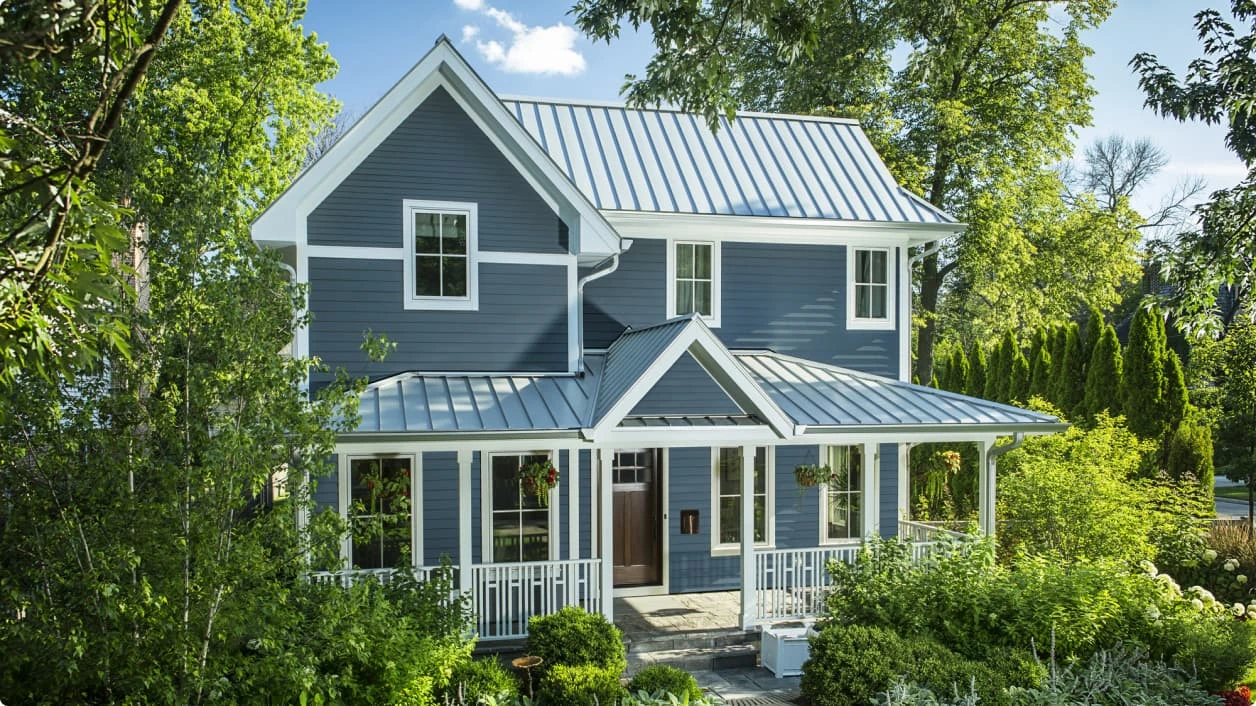
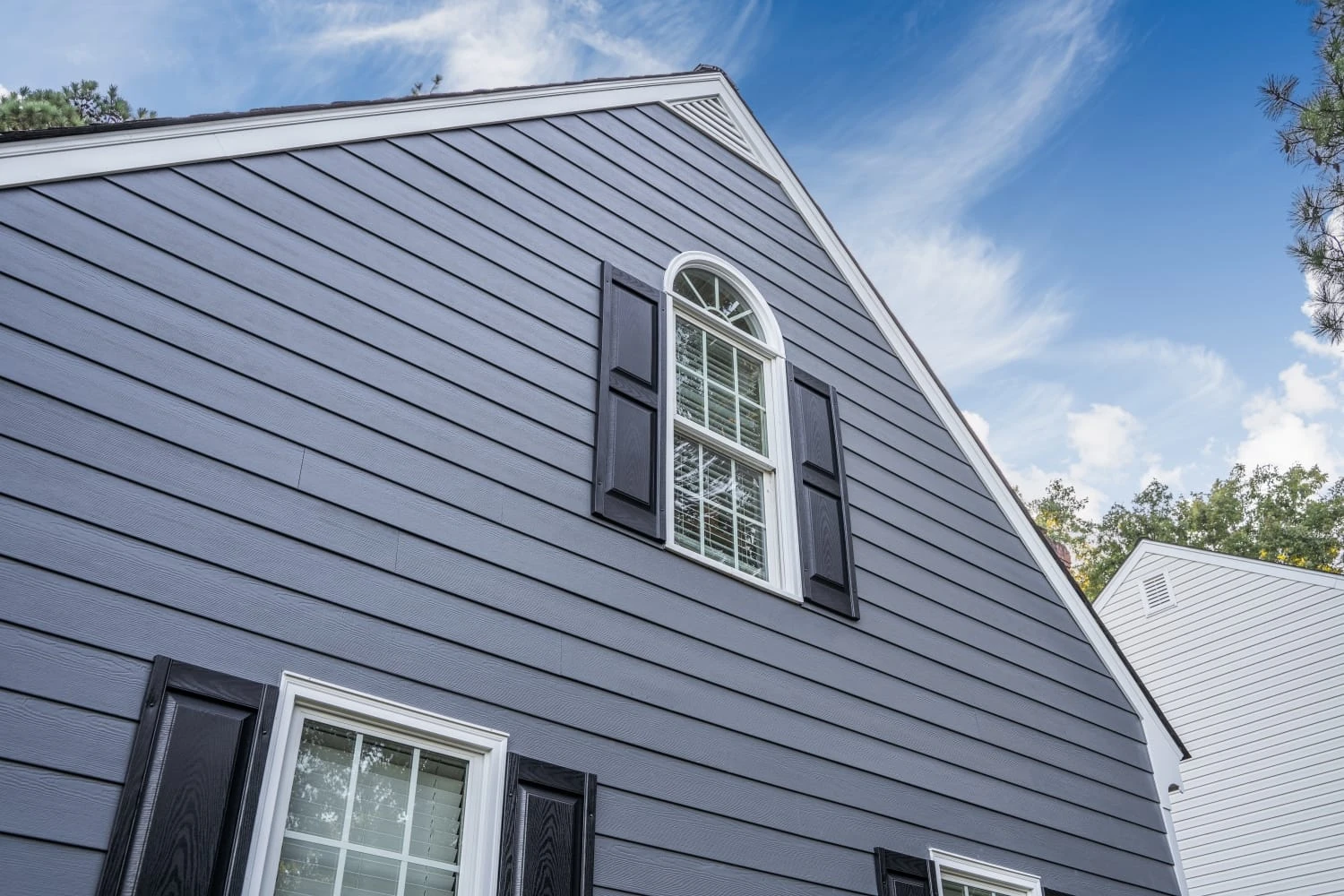
The best fire-resistant siding for homes in California wildfire areas is James Hardie HardiePlank fiber cement (Noncombustible per ASTM E136, BML 8140-2026:0005), Nichiha fiber cement panels (WUI-Compliant, BML 8140-2029:0001), and LP SmartSide with FlameBlock (WUI-Compliant system, BML 8140-2027:0005). Fiber cement is noncombustible, meaning it will not ignite, burn, or contribute fuel under any fire condition. LP SmartSide achieves WUI compliance as a wall assembly system at a lower cost.
Why It Matters
Your exterior walls are the largest surface exposed to radiant heat and direct flame. Siding must resist ignition from embers, flames, and sustained heat.
Fiber cement leads the field for fire performance. James Hardie products are non-combustible under ASTM E136, the highest standard. Engineered wood systems like LP SmartSide achieve compliance as a complete wall assembly.
Quick Comparison
Top Picks
James Hardie HardiePlank / HardiePanel
James Hardie Building Products
BML 8140-2026:0005
▼ tap for details
Nichiha Fiber Cement Panels
Nichiha USA, Inc.
BML 8140-2029:0001
▼ tap for details
LP SmartSide with FlameBlock
Louisiana-Pacific Corporation
BML 8140-2027:0005
▼ tap for details
Also OSFM-listed: APA 303 Plywood Siding, Bodyguard Treated Pine, Cedar Valley Shingle Panels, Collins TruWood, Fiberon Wildwood Cladding, Ply Gem Vinyl, Roseburg DuraTemp, Shakertown Cedar Shingles
🌀What Vents Are Approved for WUI Zones in California?
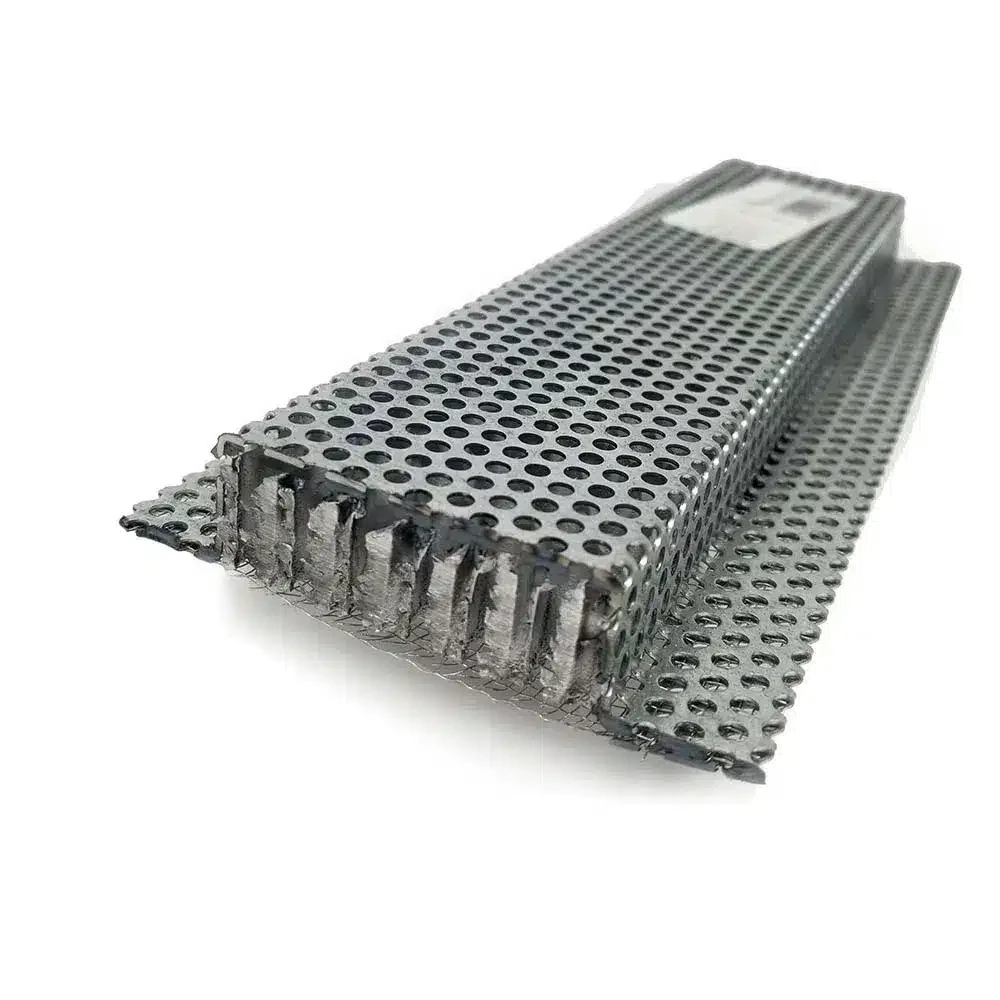
The vents approved for California WUI zones under OSFM Category 8165 are Vulcan Vents (BML 8165-2192:0100, the only vents passing both ASTM E2886 ember test and ASTM E119 one-hour fire test), Brandguard Vents (widest product range including gable, soffit, undereave, foundation, and ridge), and Embers Out (budget-friendly OSFM-listed attic and foundation vents). Standard 1/4-inch mesh vents do not stop embers. California WUI code requires vents tested to ASTM E2886.
Why It Matters
Vents are one of the most critical and overlooked entry points for embers. Burning embers travel miles ahead of the fire front and enter through standard vents.
Standard 1/4" mesh is not sufficient. WUI code now requires ASTM E2886 tested vents. The best products combine ember-blocking mesh with intumescent coatings that expand in heat to create a complete seal.
Quick Comparison
Top Picks
Vulcan Vents
Vulcan Technologies (Loomis, CA)
BML 8165-2192:0100
▼ tap for details
Brandguard Vents
Brandguard (Lake Forest, CA)
BML 8165 (multiple)
▼ tap for details
🏠What Roofing Is Class A Fire Rated for California Wildfire Zones?
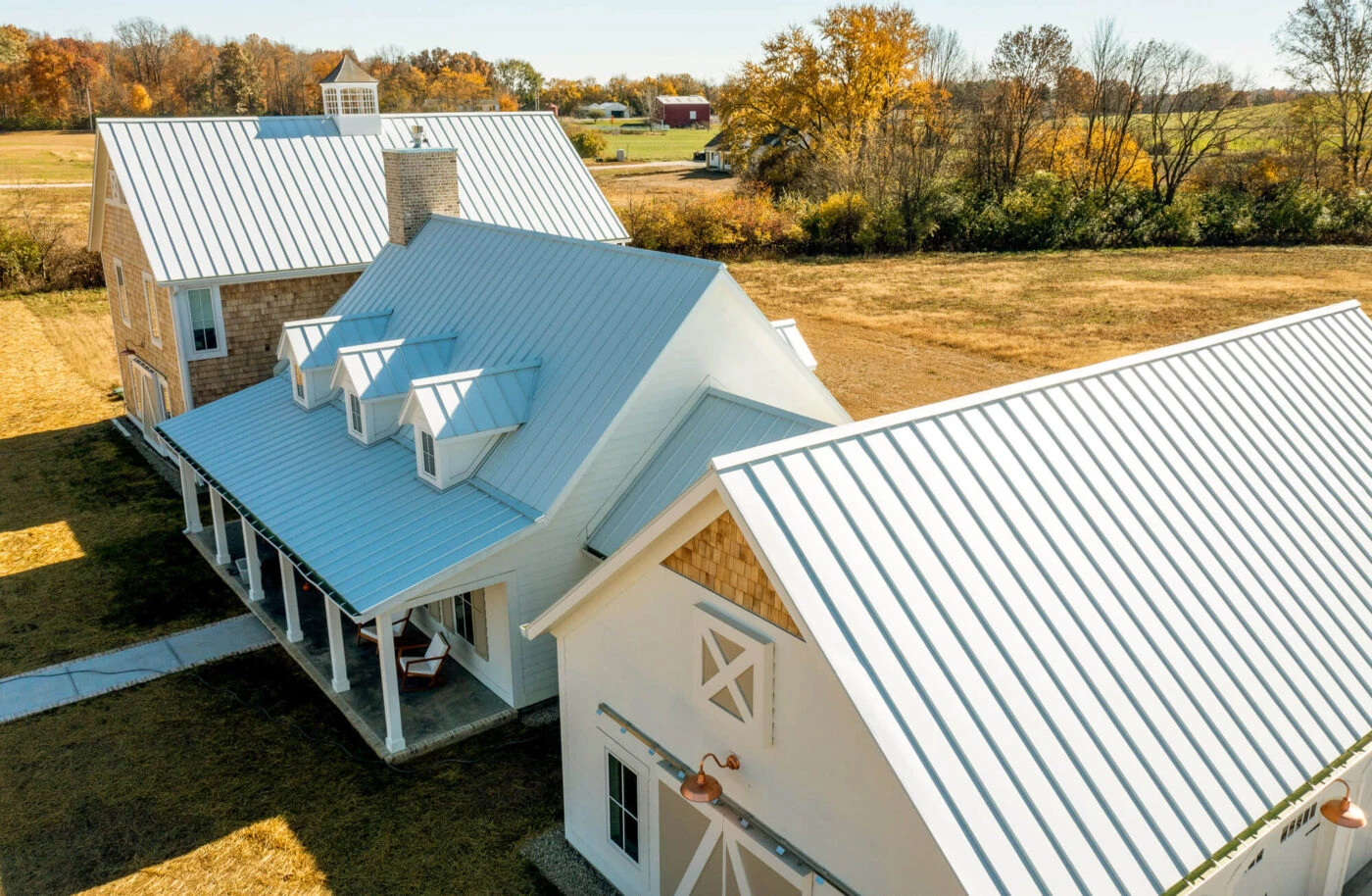
Class A fire-rated roofing options for California wildfire zones include standing seam metal roofing (inherently non-combustible, 40-60+ year lifespan), concrete or clay tile (fireproof, 50-100+ year lifespan), Class A asphalt shingles with OSFM WUI-listed underlayment like MFM Ultra HT (BML 8180-2433:0001, most affordable option), and natural slate (75-200 year lifespan). All Class A roofing systems are mandatory in California Fire Hazard Severity Zones. Wood shakes and shingles are banned in WUI areas.
Why It Matters
California requires Class A fire-rated roof assemblies in all Fire Hazard Severity Zones. Your roof is the largest horizontal surface and the primary ember landing zone.
Class A is the highest fire rating and is mandatory in WUI areas. Wood shakes and shingles are banned. Metal, tile, and properly assembled asphalt shingle systems all meet the standard.
Quick Comparison
Top Picks
Standing Seam Metal Roofing
Various (ask your contractor)
BML Prescriptive
▼ tap for details
Concrete or Clay Tile
Various (Eagle, Boral, US Tile)
BML Prescriptive
▼ tap for details
Class A Asphalt Shingles + WUI Underlayment
Various + MFM Ultra HT
BML 8180-2433:0001 (MFM)
▼ tap for details
🪟What Windows and Doors Meet California WUI Zone Requirements?
California WUI code requires multi-pane windows with at least one pane of tempered glass. Riviera Bronze is the only window manufacturer with a specific OSFM BML listing (8120-2120:0100) for WUI. Most major brands (Milgard, Andersen, Pella, Marvin) produce windows meeting prescriptive WUI standards without a specific BML listing. Metal exterior doors with insulated cores and UL 10C weatherstripping meet door requirements. Garage doors need weatherstripping at all gaps greater than 1/8 inch.
Why It Matters
Windows are the most fragile part of your exterior. Single-pane windows can shatter from radiant heat alone, giving embers direct entry into your home.
WUI code requires multi-pane windows with at least one pane of tempered glass. Most major manufacturers produce compliant windows. Metal exterior doors with insulated cores also meet requirements.
Quick Comparison
Top Picks
Riviera Bronze Metal-Glazed Windows
Riviera Bronze Mfg (Ventura, CA)
BML 8120-2120:0100
▼ tap for details
Multi-Pane Tempered Windows (Prescriptive)
Milgard, Andersen, Pella, Marvin, etc.
BML Prescriptive
▼ tap for details
🔧How to Protect Eaves and Soffits from Wildfire Embers
Open eaves with exposed rafter tails are one of the highest-risk features during a wildfire. To protect them: install James Hardie HardieSoffit panels (noncombustible fiber cement), box in open rafter tails with 5/8 inch Type X fire-rated gypsum wallboard, and seal all gaps greater than 1/8 inch with intumescent fire caulking. Intumescent products expand when heated to maintain the seal even during active fire exposure.
Why It Matters
The underside of eaves and soffits is extremely vulnerable. Embers collect in these areas and radiant heat rises directly into them.
Open eaves with exposed rafter tails are one of the highest-risk features on any home. Enclosing them with noncombustible materials and sealing gaps is one of the most impactful hardening steps you can take.
Quick Comparison
Top Picks
James Hardie HardieSoffit Panels
James Hardie Building Products
BML Per 8140 listing
▼ tap for details
5/8" Type X Gypsum Wallboard
Various (USG, Georgia-Pacific, etc.)
BML Prescriptive
▼ tap for details
Intumescent Fire Caulking
EverKem (814+ and 136)
BML N/A (accessory)
▼ tap for details
🪵What Materials Do I Need for WUI Zone Construction in California?
California WUI zone construction within Zone 0 (0-5 feet from the structure) requires ignition-resistant materials with a flame spread of 25 or less (OSFM Category 8170, ASTM E84), noncombustible materials like fiber cement, metal, and mineral products (Category 8175, ASTM E136), or fire-retardant treated lumber (Category 2520, ASTM E84 plus ASTM D2898). Noncombustible is the highest standard, producing negligible heat, flame, or smoke. These materials are used for exterior trim, fascia, fencing, and any structural element within 5 feet of the home.
Why It Matters
Trim, fascia, fencing, and structural elements within 5 feet of your home (Zone 0) must be fire-resistant under California code.
Fire-treated lumber meets WUI requirements where wood is structurally needed but fire resistance is mandated. Noncombustible materials (ASTM E136) are the highest standard for the most critical applications.
Quick Comparison
Top Picks
Ignition-Resistant Materials (8170)
Various
BML Category 8170
▼ tap for details
Noncombustible Materials (8175)
Various
BML Category 8175
▼ tap for details
Also OSFM-listed: Nusku Fireblocker treated products, various pressure-treated options
How Much Do Fire-Resistant Building Materials Cost?
Using OSFM-listed materials typically adds $9,000 to $15,000 to new construction. Fiber cement siding like James Hardie costs about the same as premium wood alternatives. Composite and PVC decking is competitively priced with cedar. That investment comes back through:
- Insurance premium reductions for documented fire-resistant construction
- Documented Safer from Wildfires compliance for your insurance broker
- Long-term property value protection in a tightening insurance market
Homes hardened with listed materials are more resilient and more insurable.
Find Out What Your Home Needs
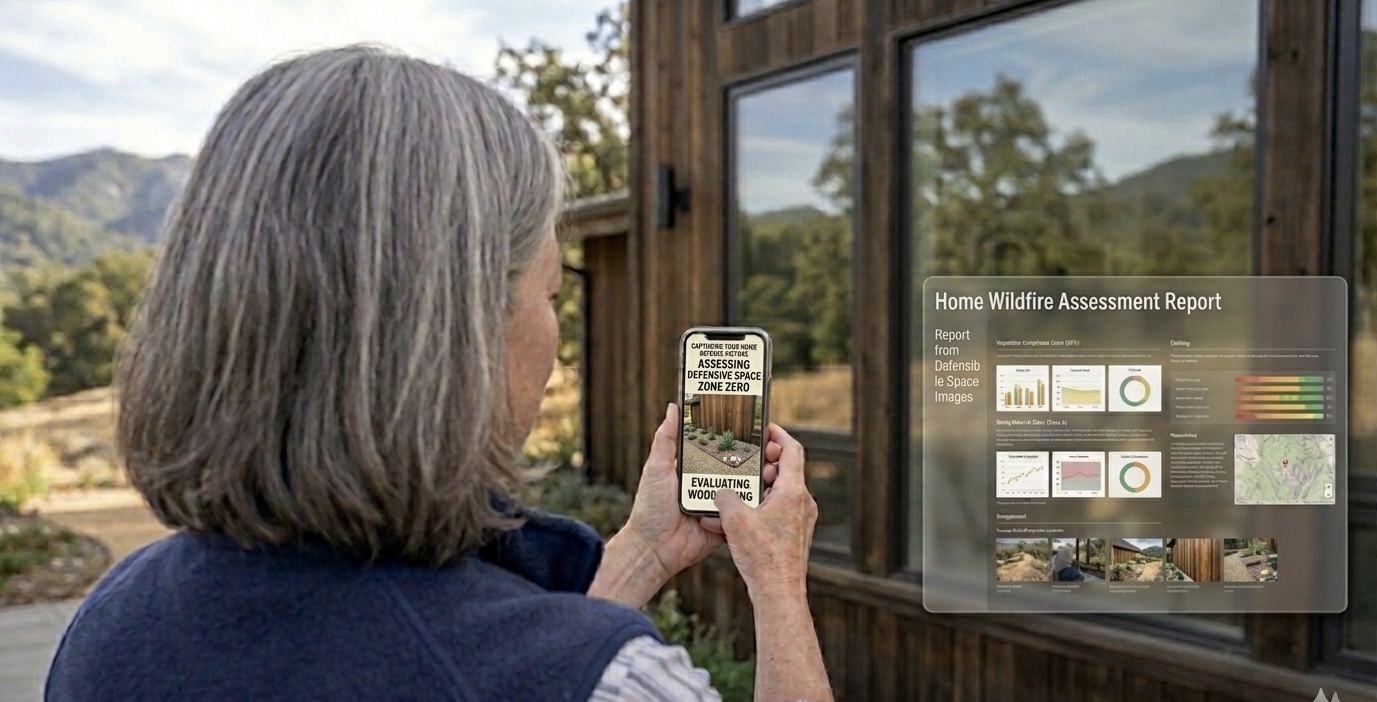
Our wildfire assessment report checks your property photos against Chapter 7A, PRC 4291, AB 38, and CDI Regulation 2644.9. You get a code-cited action plan showing exactly which building materials to upgrade and where to start.
- Photo-based assessment of every exterior element
- Code citations for each finding
- Prioritized action plan with difficulty levels
Takes about a minute. No account needed.
Common Questions
What building materials are required in California wildfire zones?
California requires fire-resistant building materials in all Fire Hazard Severity Zones (FHSZ) and Wildland-Urban Interface areas. The requirements include Class A fire-rated roofing, ember-resistant vents tested to ASTM E2886, non-combustible or ignition-resistant siding, multi-pane tempered windows, and fire-resistant decking. All materials must comply with California Building Code Chapter 7A. The full list of approved products is published in the OSFM WUI Products Handbook by the California State Fire Marshal.
What is the best fire-resistant decking for wildfire areas?
The best fire-resistant decking options for California wildfire areas are AZEK Landmark Collection (Class A PVC with zero wood fiber, BML 8110-2042:0503), Trex Transcend/Refuge (WUI-Compliant composite and new PVC line), and Fiberon Paramount PVC (Class A, BML 8110-2045:0008). PVC decking leads the category because it contains no wood fiber and will not sustain combustion from ember exposure. Class A is the highest fire rating under ASTM E108.
What vents are approved for WUI zones in California?
California WUI zones require vents tested to ASTM E2886 (ember intrusion test). The approved options listed by OSFM include Vulcan Vents (BML 8165-2192:0100, the only vents passing both the ember test and the one-hour fire test ASTM E119), Brandguard Vents (widest range of styles including gable, soffit, undereave, foundation, and ridge), and Embers Out (budget-friendly attic and foundation vents). Standard 1/4-inch mesh vents do not block embers and are not compliant.
What is the OSFM WUI Products Handbook?
The OSFM WUI Products Handbook is the official reference published by the California State Fire Marshal (Office of the State Fire Marshal) listing every building material tested and approved for use in Wildland-Urban Interface zones. Products earn a Building Materials Listing (BML) number after passing fire resistance tests. The handbook is maintained by CAL FIRE Fire Engineering and Investigations Division under the Building Materials Listing Program. The current edition was published September 2, 2025.
What are the 2026 California WUI building code requirements for materials?
The 2026 California WUI building code requirements for materials are governed by California Building Code Chapter 7A. Key requirements include Class A fire-rated roof assemblies in all Fire Hazard Severity Zones (wood shakes and shingles are banned), ember-resistant vents tested to ASTM E2886, exterior walls and siding that are ignition-resistant or noncombustible, multi-pane windows with at least one tempered glass pane, fire-resistant decking and fencing within Zone 0 (0-5 feet of the structure), and noncombustible materials for eaves and soffits. Products must be OSFM-listed or meet prescriptive compliance standards.
What is the difference between Class A and WUI-Compliant ratings?
Class A is the highest fire-resistance rating under ASTM E108, meaning the material withstands severe fire exposure from burning brands, intermittent flame, and radiant heat. WUI-Compliant means the product meets the specific requirements of the California WUI Code (Chapter 7A), which may include ember resistance, radiant heat resistance, or flame impingement tests depending on the product category. Some products carry both ratings. Noncombustible (ASTM E136) is the highest possible standard, meaning the material produces negligible heat, flame, or smoke.
What is Chapter 7A approved building material?
Chapter 7A of the California Building Code sets the fire-resistance standards for building materials used in Wildland-Urban Interface zones. A "Chapter 7A approved" material has been tested and verified to meet these standards, either through a specific OSFM Building Materials Listing (BML) number or through prescriptive compliance with code-referenced test standards like ASTM E108 (roofing), ASTM E2886 (vents), ASTM E136 (noncombustible), and ASTM E84 (flame spread). The OSFM WUI Products Handbook is the official directory of BML-listed products.
How do I harden my home against wildfire?
Home hardening against wildfire focuses on six critical areas: (1) Replace your roof with a Class A assembly like standing seam metal or concrete tile. (2) Install ember-resistant vents tested to ASTM E2886, such as Vulcan Vents or Brandguard. (3) Replace combustible siding with fiber cement like James Hardie HardiePlank. (4) Upgrade to multi-pane tempered windows. (5) Replace wood decking with fire-resistant PVC or composite boards like AZEK or Trex Refuge. (6) Enclose open eaves with noncombustible soffit panels and seal all gaps with intumescent caulking. These upgrades follow California Building Code Chapter 7A.
Do I have to use OSFM-listed products in a California fire zone?
In most cases, yes. Homes in State Responsibility Areas (SRA) and Very High Fire Hazard Severity Zones (VHFHSZ) must use materials that meet Chapter 7A standards. OSFM-listed products have already been tested and verified. Some products can also meet code through prescriptive compliance (for example, any Class A asphalt shingle with proper underlayment, or any multi-pane tempered window) without a specific BML listing. Your local building department is the Authority Having Jurisdiction and has final say on what is accepted.
What fire-resistant siding is best for homes near wildfire?
The best fire-resistant siding for wildfire areas is James Hardie HardiePlank fiber cement (Noncombustible per ASTM E136, BML 8140-2026:0005), which is the dominant brand in North America with a 30-year warranty. For high-end aesthetics, Nichiha fiber cement panels (BML 8140-2029:0001) offer stone, brick, and premium wood textures. For a more affordable option, LP SmartSide with FlameBlock (BML 8140-2027:0005) achieves WUI compliance as a system with natural wood-grain look and a 50-year warranty.
How much do fire-resistant building materials cost compared to standard materials?
Using OSFM-listed fire-resistant materials typically adds $9,000 to $15,000 to new construction costs. Fiber cement siding like James Hardie costs about the same as premium wood alternatives. Composite and PVC decking from AZEK, Trex, or Fiberon is competitively priced with cedar. The investment is offset by insurance premium reductions, documented compliance for Safer from Wildfires insurance programs, and long-term property value protection in areas with tightening insurance markets.
What decking is Class A fire rated?
Class A fire-rated decking options listed by the California State Fire Marshal include AZEK Landmark Collection PVC (BML 8110-2042:0503), AZEK Vintage Collection composite (BML 8110-2042:0001), Fiberon Paramount PVC (BML 8110-2045:0008), KAYU Batu Red Balau hardwood (BML 8110-2069:0001, Class A from natural density), Mataverde IPE and Cumaru hardwood, MOSO bamboo, Inteplast FR, and Nova USA Bangkirai. PVC boards outperform composite because they contain zero wood fiber. Trex Transcend and Refuge are WUI-Compliant but use a different testing pathway.
Can composite decking melt or warp during a wildfire?
Yes. Composite decking contains wood fiber mixed with plastic, and it can soften, warp, and deform under radiant heat from a nearby fire. We have pulled warped composite boards off homes after wildfires where the deck did not ignite but lost its shape from heat exposure. PVC decking like AZEK performs better because it self-extinguishes and has no wood fiber to smolder. If you already have composite decking that is WUI-Compliant, it still meets code. But if you are building new, PVC is the stronger choice in high-exposure areas like canyon lots and ridgeline homes.
Do ember-resistant vents also block smoke from getting inside?
The ASTM E2886 ember test checks whether burning embers can pass through the vent and ignite materials on the other side. It does not test for smoke infiltration. In practice, vents like Vulcan and Brandguard use intumescent mesh that swells shut when temperatures rise, which does reduce smoke entry during a fire. But no vent on the market is rated to be smoke-tight. If smoke sealing is a priority, pairing ember-resistant vents with a sealed attic design (spray foam at the roofline) gives you the best result.
Is fiber cement siding truly fireproof?
Fiber cement like James Hardie HardiePlank is classified as noncombustible under ASTM E136, meaning the material itself does not burn, produce flame, or generate significant heat. That said, the siding is only one part of the wall assembly. If there are gaps behind the boards, embers can reach the house wrap or framing underneath. Proper installation with sealed joints, metal flashing at transitions, and noncombustible trim is what makes the full assembly fire resistant. We have seen fiber cement homes survive direct flame contact in wildfire events when the installation was done right.
What do insurance inspectors check during a wildfire home assessment?
Insurance inspectors typically photograph the roof, vents, eaves, siding, windows, decking, and fencing within five feet of the structure. They check for exposed wood, missing vent screens, open eave gaps, single-pane windows, and combustible materials touching the house. Having OSFM-listed products with visible BML documentation helps during these inspections. We give every client a material compliance binder with photos and listing numbers so your insurance broker can verify the upgrades.
What is the most common code violation on Bay Area homes in fire zones?
Open eaves. Most older Bay Area homes have exposed rafter tails with no soffit enclosure. Embers land on the rough wood surfaces, ignite, and the fire moves into the attic within minutes. Enclosing eaves with noncombustible soffit panels and sealing the gaps with intumescent caulking is one of the fastest, most affordable upgrades a homeowner can make. We typically knock out eave enclosures in a day for most single-story homes.
We Specify What We Recommend
FireRoofs specifies these materials in every hardening scope we design, and our vetted, licensed and insured partner contractors install them. Vulcan and BrandGuard vents we install directly. FireRoofs LLC. All work is performed by licensed and insured contractors.
Source: OSFM WUI Listed Products Handbook, published by CAL FIRE Fire Engineering and Investigations Division, Building Materials Listing Program. This guide is for informational purposes. Consult your local building department and a licensed contractor for specific approvals in your jurisdiction.