Menlo Park Wildfire Protection: Fire Zone, Insurance and Home Hardening
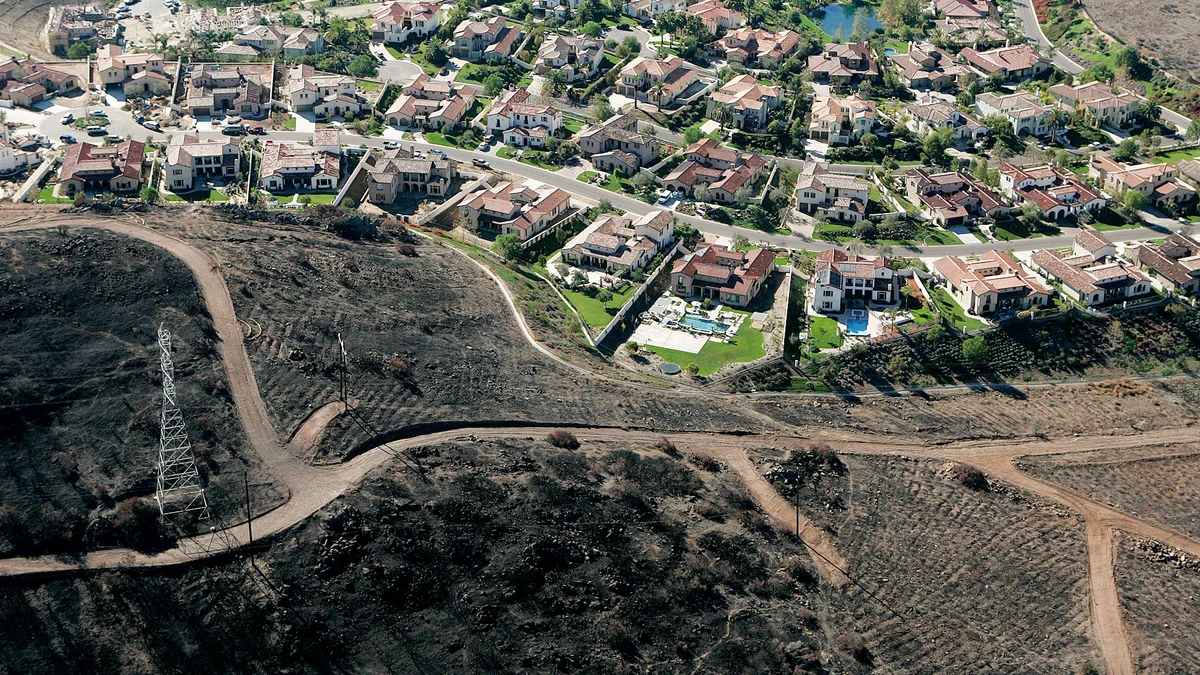
Menlo Park's wildfire exposure is concentrated in its western neighborhoods. Sharon Heights, Las Lomitas, and the Stanford Hills area rise into the same foothills that connect to Woodside and Portola Valley, putting several hundred homes in direct contact with wildland vegetation. The Menlo Park Fire Protection District, which hosts California Task Force 3 Urban Search and Rescue, has been one of the more vocal Bay Area agencies about the growing WUI risk in foothill communities. They have deployed brush rigs and implemented a community education program specifically for the Sharon Heights and western Menlo Park homeowners who face the highest exposure.
CAL FIRE Risk Designation
San Mateo County
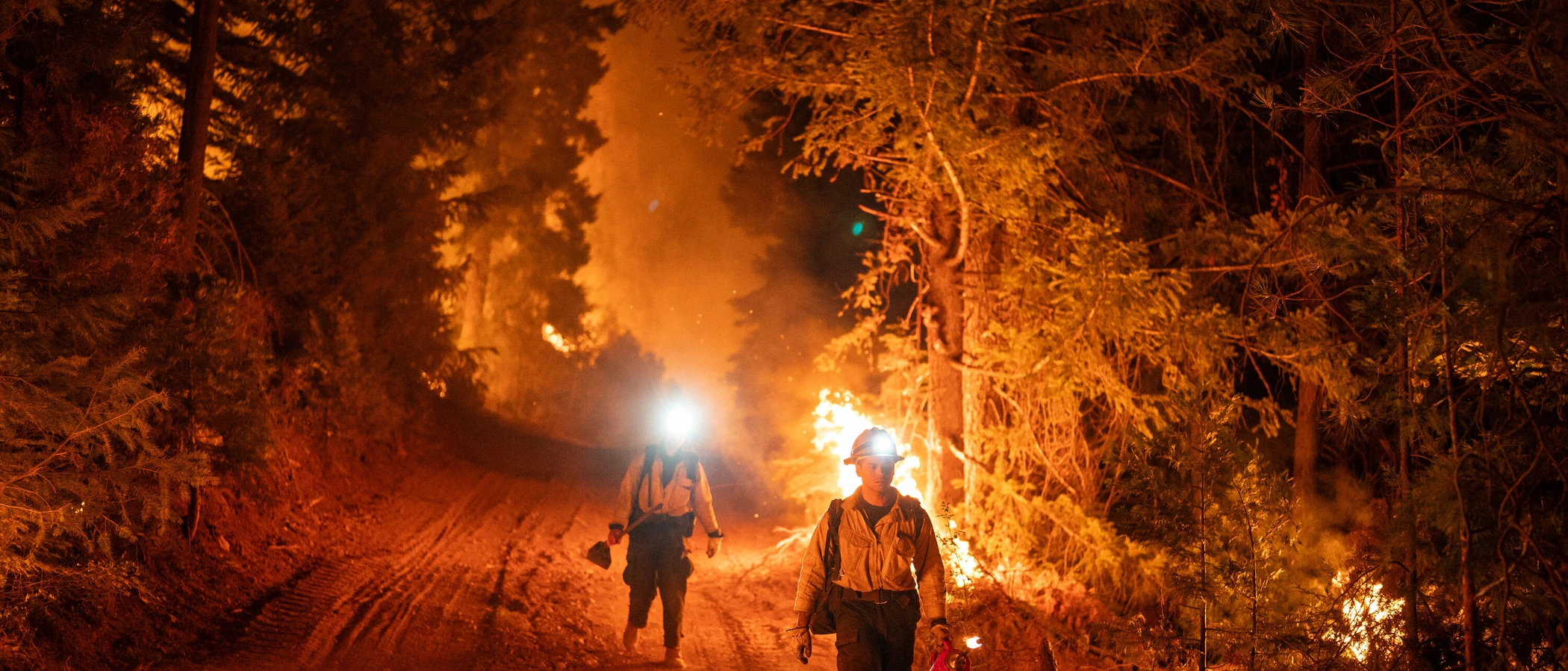
Sharon Heights and Las Lomitas in western Menlo Park sit in the same foothills that connect to Woodside and Portola Valley wildland.
Menlo Park Fire Protection Resources
Fire Hazard Zone Lookup
Check whether your Menlo Park address is in a Very High, High, or Moderate Fire Hazard Severity Zone using CAL FIRE 2025 maps.
Look up your addressEvacuation Map
San Mateo County evacuation zones, routes, and real-time status during active incidents.
San Mateo County Evacuation Map (Genasys Protect)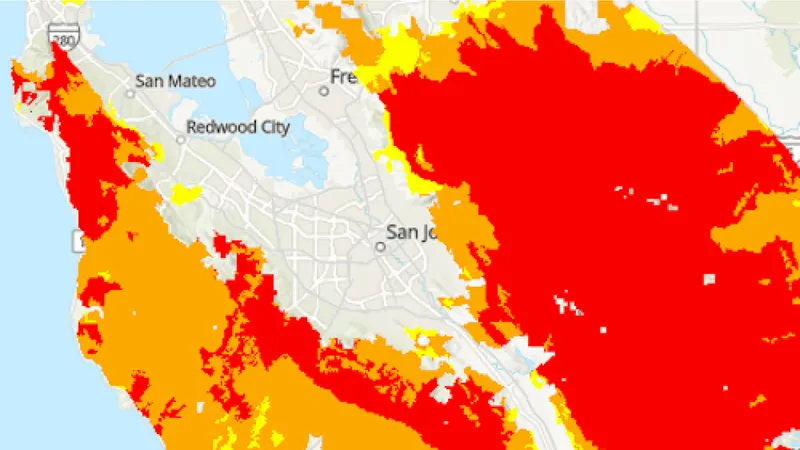
CAL FIRE Very High Fire Hazard Severity Zones (VHFHSZ) shown in red/orange
Source: CAL FIRE Fire Hazard Severity Zone data via Bay Area News Group
CAL FIRE High Fire Hazard Severity Zone
Portions of western Menlo Park fall within High to Very High FHSZ. Most of the city core is Moderate or not designated. Updated per 2025 CAL FIRE maps. Local Responsibility Area.
Menlo Park's Wildfire Record
Understanding past fires helps predict future risk. Here are the most significant fire events near Menlo Park.
The Edgewood Fire in nearby Woodside triggered evacuations in western Menlo Park, demonstrating that wildfire is not just a hillside problem for this community.
No major wildfire has burned into Menlo Park in recent decades. Some small brush fires in surrounding hills. Smoke and ember exposure from regional wildfire events.
Local Risk Factors
West Menlo Park WUI
West Menlo Park (unincorporated San Mateo County) and western edges adjacent to Woodside foothills face direct wildland-urban interface exposure with wildland-transition vegetation.
Dense Mature Canopy
Residential tree canopy with oaks, eucalyptus, redwoods, and ornamental species creates ember vulnerability, particularly in Sharon Heights and Las Lomitas neighborhoods.
Upwind Foothill Exposure
Peninsula Watershed lands and Woodside foothills sit upwind. Fires in adjacent foothills could push embers into Menlo Park during Diablo wind events.
High Property Values
Sharon Heights, Las Lomitas, and West Menlo Park homes commonly exceed $3M-$5M, with luxury homes frequently $5M-$15M+, creating significant FAIR Plan gaps.
Live fire status near Menlo Park
Track active incidents, Red Flag Warnings, air quality, PSPS power shutoffs, and evacuation resources for the San Mateo County area, updated throughout the day.
Request a private consultation. We will design and install the right sprinkler and hardening system for your home.
Request a Private ConsultationMenlo Park Fire Environment
Vegetation Types
Wind Patterns
Moderate Diablo wind exposure; ember transport from adjacent foothills during offshore wind events
Topography
City core is flat valley floor. Western portions (Sharon Heights, Las Lomitas, West Menlo Park) have hillside exposure with rolling terrain transitioning to Woodside foothills.
Protecting Your Menlo Park Home & Family
Living in a fire-prone area means being proactive. Here are the steps every Menlo Park homeowner should take to protect their property and prepare for wildfire season.
Evacuation Planning
Good evacuation infrastructure via El Camino Real, Sand Hill Road, Alpine Road, Middlefield Road, US-101, and I-280. Sand Hill Road provides key access to Stanford and I-280. Register for SMC Alert emergency notifications.
Defensible Space
Maintain 100 feet of defensible space. Western Menlo Park faces more direct defensible space requirements. Focus on ember-resistant measures: clear roofs, gutters, and under-deck areas. MPFPD provides inspections and education in WUI portions of the service area.
Your Local Fire Safe Council
FIRE SAFE San Mateo County
Menlo Park Wildfire Preparedness Resources
Menlo Park Fire Protection District
Community Risk Reduction Bureau programs, wildfire preparedness education, and inspection services.
MPFPDFIRE SAFE San Mateo County
Chipper programs, home hardening guides, and fire-safe landscaping information.
Fire Safe San MateoCAL FIRE Defensible Space Guide
Official California guide to creating defensible space zones around your property.
CAL FIREProtect Your Menlo Park Home with FireRoofs
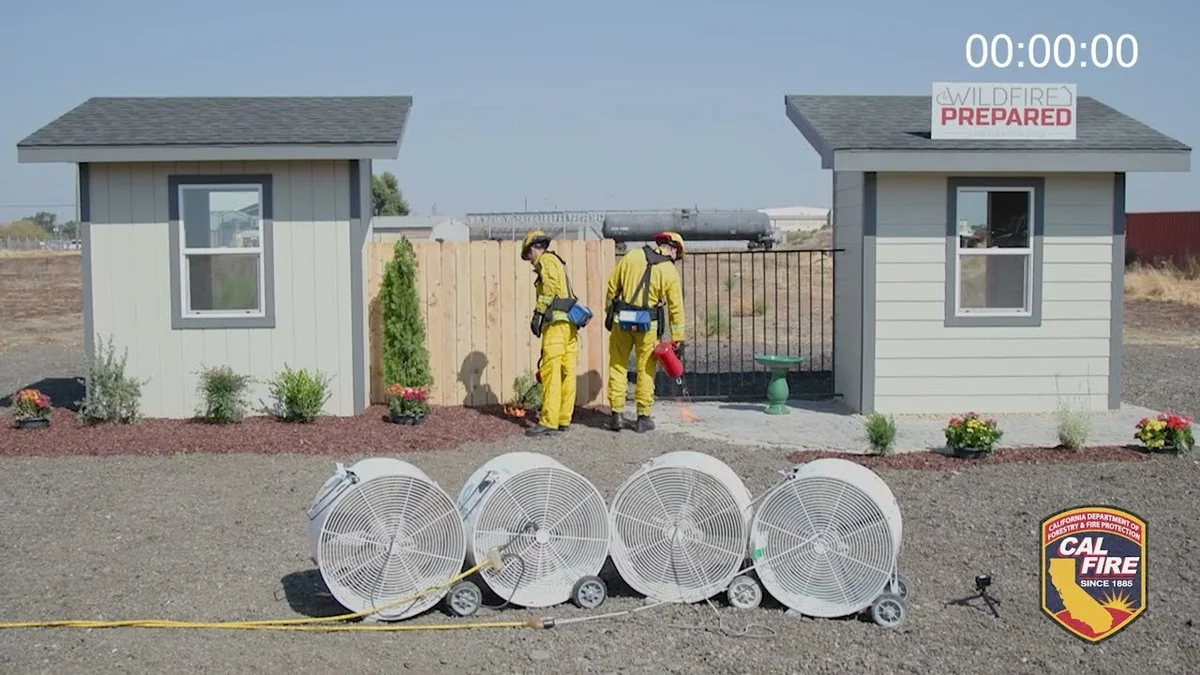
- Ember-resistant vents, enclosed eaves and noncombustible fencing
- Zone 0 hardening within 5 feet of the house
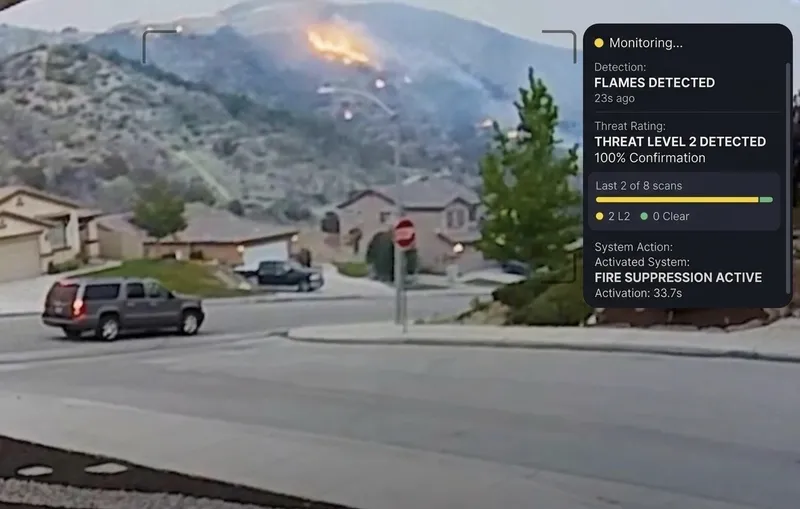
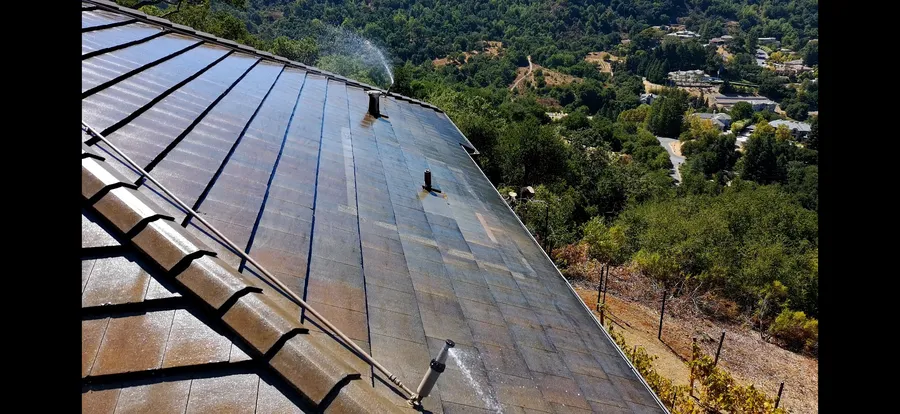
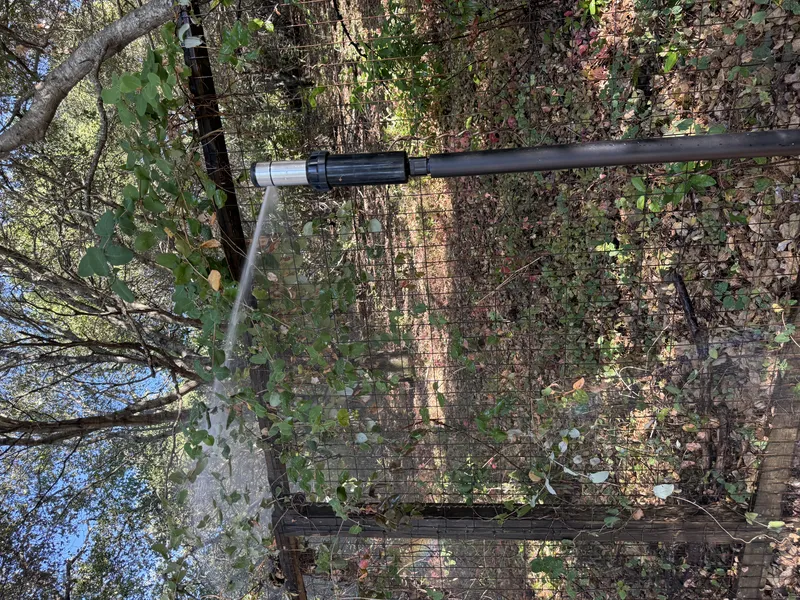
- Automated exterior sprinklers for roof and perimeter
- One insurance documentation packet for every upgrade
Local Wildfire Resources for Menlo Park Homeowners
Rules and requirements can change. Verify current requirements with your city or fire district before taking action.
Tree Removal and Defensible Space Rules
Menlo Park's Heritage Tree Ordinance protects mature trees. Permits required for removal. Exemptions available for fire hazard and dead/dying trees. Follows San Mateo County tree standards with local amendments.
Fire Hazard Severity Zone: Portions of western Menlo Park fall within High to Very High FHSZ. Most of the city core is Moderate or not designated. Updated per 2025 CAL FIRE maps. Local Responsibility Area.
Free Programs for Menlo Park Homeowners
- MPFPD community education and inspections in WUI areas
- San Mateo County Fire Safe Council programs (firesafesanmateo.org)
- Access to regional chipper programs
Your Fire District
Menlo Park Fire Protection District (MPFPD)
Community Designations
- Firewise USA potential in western hillside neighborhoods
- Part of San Mateo County Fire Safe Council
Community designations like Firewise USA and Fire Risk Reduction Community may qualify homeowners for insurance benefits under California's Safer from Wildfires regulation.
Nearby Communities We Serve
FireRoofs also installs wildfire defense systems in neighboring communities with similar WUI risk profiles.
If You Lose the Home
Menlo Park Homeowners and the Long Road After a Loss
Menlo Park's fire exposure is real but uneven. The flat neighborhoods near El Camino Real feel distant from wildfire, yet the 2022 Edgewood Fire in nearby Woodside triggered evacuations in western Menlo Park, and neighborhoods like Sharon Heights sit in direct contact with the same foothill vegetation that feeds fires in Portola Valley and Woodside. A total loss in those western neighborhoods would send a family into a rebuilding process that, based on recent California fires, can stretch well beyond what most people expect.
10%
Rebuilding Timelines Stretch Years
By the time two years had passed since the 2017 Tubbs Fire, roughly 10 percent of the Santa Rosa homes that were destroyed had been reconstructed. Permit queues, contractor availability, and updated code requirements all slowed progress well beyond what survivors anticipated.[1]
61%
Insurer Replacement Estimates Often Low
In a year-one survey of 2025 Los Angeles wildfire households, 61 percent said their insurer's estimate of their home's replacement cost was inadequate. Western Menlo Park's custom homes and hillside sites can make accurate pre-loss valuations especially difficult.[2]
2 years
Temporary Housing Coverage Has Limits
Tubbs Fire policies typically covered two years of temporary housing. Once that ran out, families were left managing both a mortgage and ongoing rent until their homes were finished, often with no clear end date in sight.[1]
“We can handle the fire. We can handle the loss. We can’t handle the insurance company.”
Keeping Home Insurance in Menlo Park
Homeowners in Menlo Park are facing surging FAIR Plan rates and non-renewals from private carriers. California's Safer from Wildfires framework now requires participating insurers to offer discounts for documented mitigation systems. FireRoofs provides the engineering documentation and evidence packet designed to help you qualify for the voluntary market.
Menlo Park home values vary widely. West Menlo Park luxury homes frequently exceed $5M-$15M+, far exceeding the $3M FAIR Plan cap. Properties in WUI-adjacent western areas face growing insurance challenges.
Got a notice from your insurer? Here is what to do after a non-renewal.
Request a Private ConsultationProtect Your Menlo Park Property Today
Every Menlo Park property is different. Request a private consultation of your home's wildfire exposure and a custom defense plan.
Common Questions
What wildfire risk does Menlo Park face?
Menlo Park is designated a High fire risk zone by CAL FIRE. San Mateo County fire maps confirm elevated exposure driven by coast live oak and eucalyptus fuel loads and seasonal offshore winds. West Menlo Park (unincorporated San Mateo County) and western edges adjacent to Woodside foothills face direct wildland-urban interface exposure with wildland-transition vegetation.
Do exterior wildfire sprinklers qualify for an insurance discount in Menlo Park?
Exterior sprinklers are not one of the named Safer from Wildfires categories, so no carrier is required to discount for them. A documented FireRoofs project produces evidence for the categories that are named, such as ember-resistant vents, enclosed eaves, defensible space and a noncombustible Zone 0. Discounts vary by carrier.
Which parts of Menlo Park face wildfire risk?
West Menlo Park, Sharon Heights, and Las Lomitas neighborhoods have the most wildfire exposure due to proximity to Woodside foothills. The city core is generally low-risk. The 2022 Edgewood Fire in nearby Woodside triggered evacuations in western Menlo Park.
What fire district serves Menlo Park?
The Menlo Park Fire Protection District (MPFPD) serves Menlo Park, Atherton, East Palo Alto, and parts of unincorporated San Mateo County. MPFPD hosts California Task Force 3 (CA-TF3) Urban Search and Rescue team.
Are there free wildfire programs for Menlo Park homeowners?
Yes. MPFPD provides community education and inspections in WUI areas. The San Mateo County Fire Safe Council at firesafesanmateo.org offers chipper programs and home hardening resources.