Defensible Space in California.
Zone 0 rules, 2026 updates, and active defense beyond vegetation.
What the Law Requires
Zone 0: 0 to 5 Feet
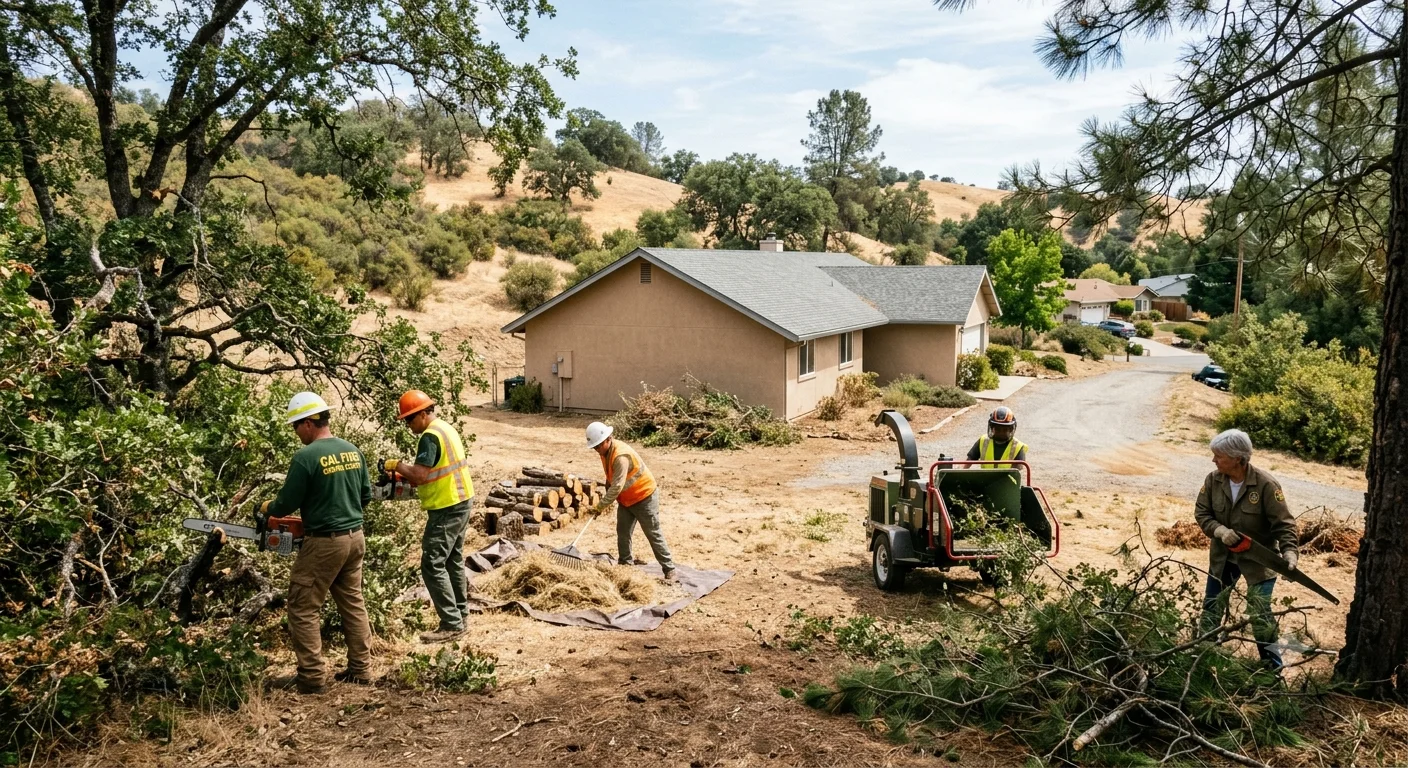
Ember-resistant materials only. No combustibles touching the home.
Zone 1: 5 to 30 Feet
Lean, clean landscaping. No ladder fuels connecting ground to canopy.
Zone 2: 30 to 100 Feet
Reduce fuel loads. Create horizontal and vertical spacing between plants.
100 ft
Minimum clearance (PRC 4291)
3
Required zones
What Is Defensible Space?
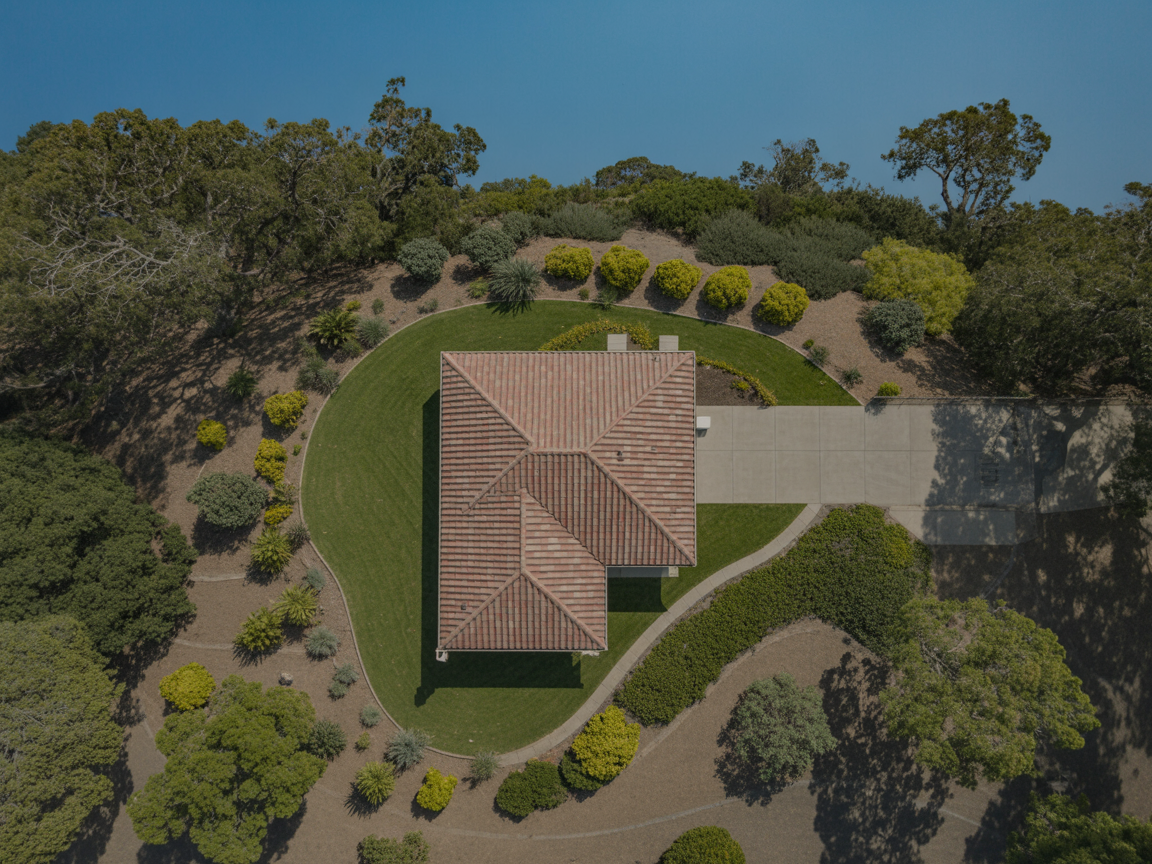
California law (PRC 4291) requires property owners in fire-prone areas to maintain defensible space extending at least 100 feet from structures, divided into three zones. Select a zone below to explore the requirements.
Zone 0
0 to 5 feet from structure
The ember-resistant zone. It calls for non-combustible ground surfaces, removal of all dead vegetation, no combustible fencing attached to the home, and fire-resistant materials at the ground-to-wall junction. The statewide standard is still in draft rulemaking, though several California jurisdictions already enforce a 5 foot noncombustible zone.
Zone 1
5 to 30 feet from structure
The lean, clean, and green zone. Vegetation is maintained as low-growing, well-irrigated, and properly spaced. Trees are limbed up 6 feet from the ground. No branch overhang within 10 feet of chimneys. Dead material is removed regularly.
Zone 2
30 to 100 feet from structure
The fuel reduction zone. Horizontal spacing between shrubs and trees is increased to prevent fire from spreading continuously. Grass height is kept to 4 inches maximum. Woodpiles and combustible storage are placed at the outer edge, away from structures.
2026 Regulatory Updates
California continues tightening defensible space enforcement. A key bill is shaping compliance requirements for property owners in fire-prone areas:
SB 429: Disclosure and Insurance Ties
SB 429 connects defensible space compliance to real estate transactions and insurance eligibility. Sellers must provide defensible space compliance documentation during property transfers. Insurance carriers can factor compliance status into underwriting decisions. This creates a direct financial incentive for maintaining defensible space beyond regulatory penalties.
Zone 0 in California: The Current Status
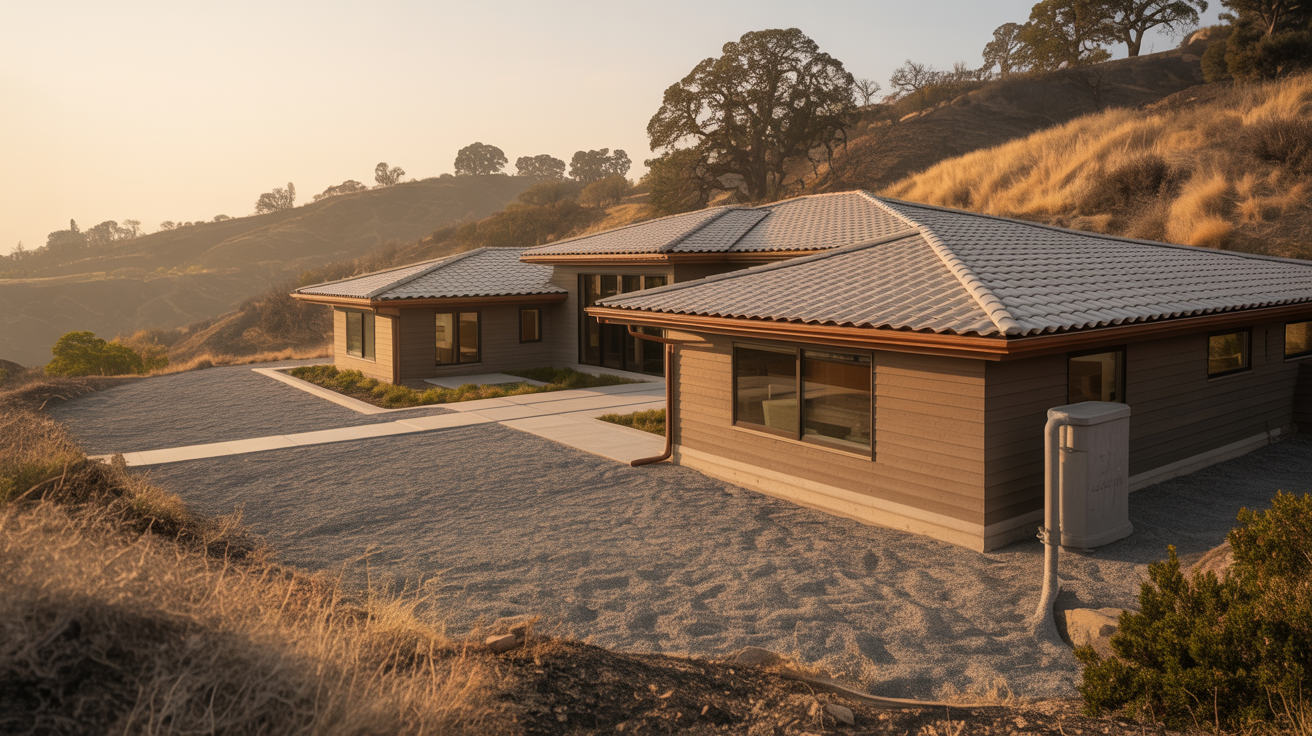
Zone 0 is the ember-resistant zone in the first 5 feet around a home. Assembly Bill 3074 (2020) and Senate Bill 504 (2024) directed California to require it under Public Resources Code 4291, but the statewide standard is still in draft. The Board of Forestry and Fire Protection released an updated draft in April 2026 and scheduled a final draft for consideration on August 19, 2026, with a phased rollout planned over roughly 5 years once adopted, starting with new construction.
You do not have to wait for the statewide rule. Several California jurisdictions already enforce their own 5 foot noncombustible zone, and the draft consistently points to the same core measures: no combustible fencing or gates attached to the house, no firewood or wood-chip mulch in the first 5 feet, and a vegetation-free strip under eaves and around vents, windows, and doors.
| Jurisdiction | Zone 0 status | Applies to |
|---|---|---|
| Statewide (CA Board of Forestry) | Draft. Final draft considered Aug 19, 2026 | Not yet enforceable statewide |
| City of Berkeley (Alameda County) | In effect January 1, 2026 | Roughly 1,400 homes in mapped hazard areas |
| Moraga-Orinda Fire District (Contra Costa County) | Local Zone Zero program in effect | Parcels in Very High Fire Hazard Severity Zones |
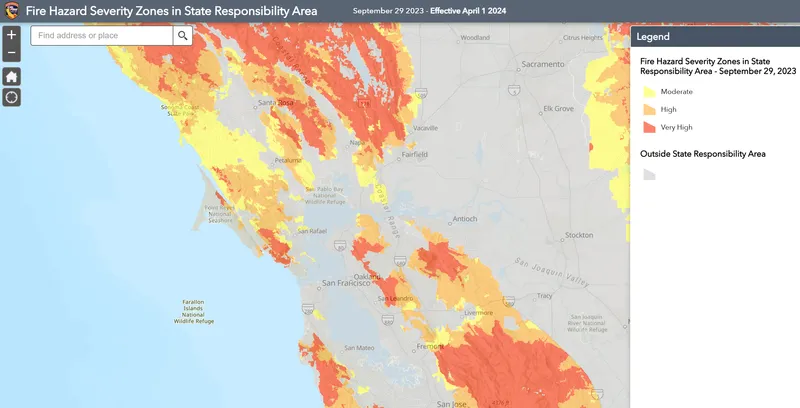
Sources: California Board of Forestry and Fire Protection, Defensible Space Zones 0, 1 and 2; Moraga-Orinda Fire District Zone Zero program. Rules are jurisdiction-specific. Confirm your parcel on the fire hazard zone lookup and check with your local fire authority. Two of the most common Zone 0 fixes are a noncombustible fence section at the house and ember-resistant vents.
Reviewed by the FireRoofs Team
Bay Area wildfire sprinkler specialists. Learn more about us
Last updated August 2026
How Exterior Defense Systems Fit In
Defensible space is a passive strategy: remove fuel, harden surfaces, create separation. Automated exterior sprinkler systems add an active layer on top of that foundation.
When a wildfire threat is detected, an automated FireRoofs system activates on its own and saturates the roof, eaves, walls, and immediate perimeter with water. Optional Class A firefighting foam (100% biodegradable, non-toxic to plants, pets, and wildlife) can coat surfaces to resist radiant heat and ember ignition.
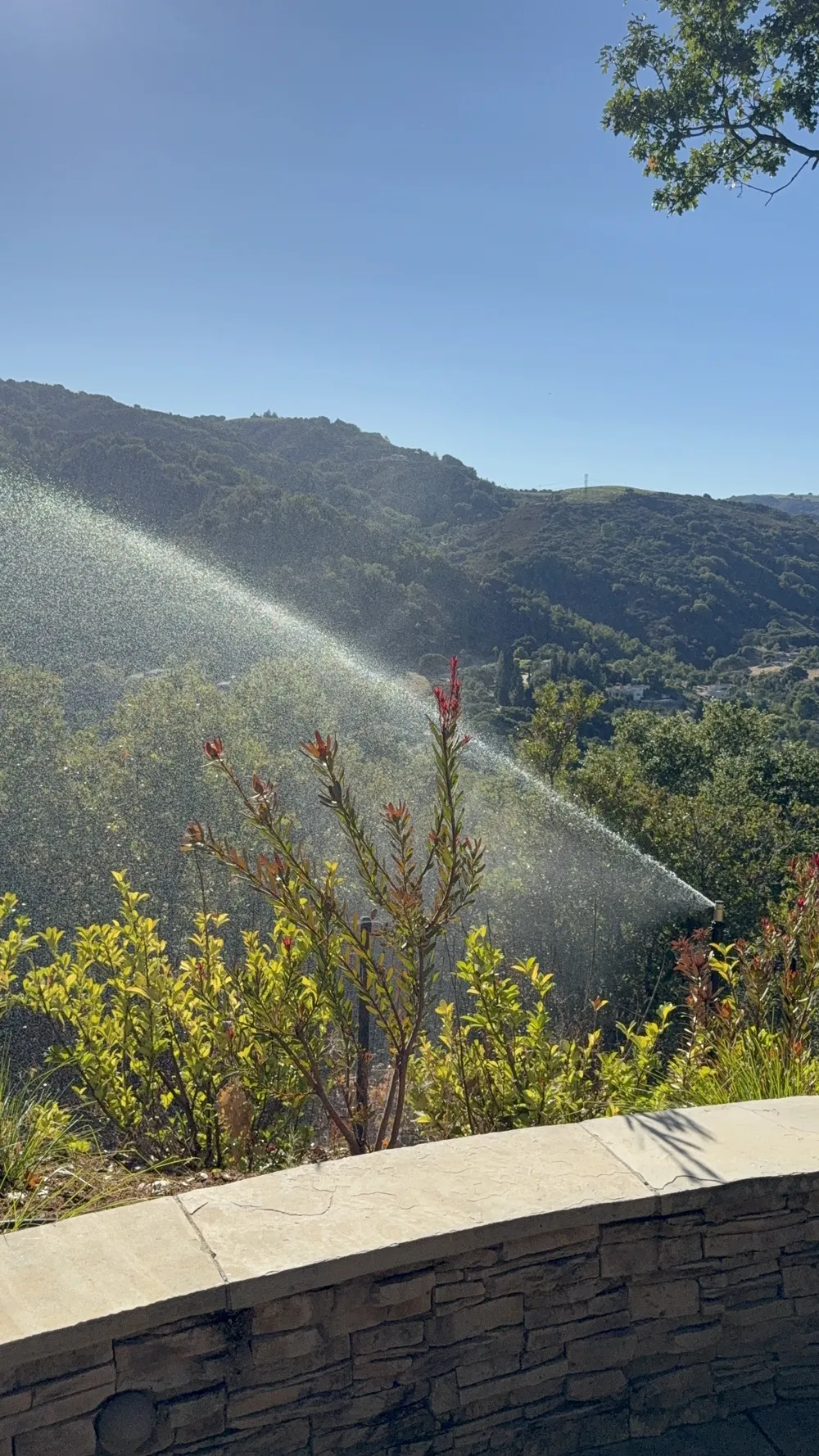
This does not replace vegetation management. A home with excellent defensible space and an automated sprinkler system has two independent layers of protection working together. Many insurance providers recognize this combination when evaluating wildfire risk mitigation.
Defensible Space + Active Defense
Common Defensible Space Questions
Defensible Space Is the Start. Active Defense Is the Next Step.
Find out how an automated exterior sprinkler system works alongside your defensible space plan. See why homes with these systems survive, or check our full mitigation cost guide.
Request a Private Consultation