Home Hardening Is How a House Survives the Ember Storm.
Home hardening means upgrading the outside of a house so it resists catching fire. That covers the roof, vents, eaves, siding, windows, decks, and fences. Most homes in a wildfire ignite from wind-blown embers landing on vulnerable spots, not from a direct wall of flame, so hardening removes those weak points one by one.
All work is performed by licensed and insured contractors.
What is home hardening?
Home hardening is the practice of upgrading a building's exterior materials and construction details so it resists igniting during a wildfire. It focuses on the roof, vents, eaves, siding, windows, decks, and the first five feet around the structure, because most homes ignite from wind-blown embers landing on vulnerable surfaces rather than from a direct wall of flame. In California, the highest-impact upgrades are grouped into 12 mitigation categories that insurers recognize under the Safer from Wildfires framework (Insurance Regulation 2644.9).
The 12 insurer-recognized mitigation categories
Building hardening
- Class A fire-rated roof: the highest roof fire-resistance rating, the baseline for wildfire country.
- Fire-resistant vents: ember- and flame-resistant vents with fine noncombustible metal mesh to block embers from entering.
- Enclosed eaves: boxed-in or soffited eaves that remove the pockets where embers collect and ignite.
- Multi-pane windows: dual-pane or tempered glass, or functional shutters, that resist heat and breakage.
- Six inches of noncombustible vertical clearance: a noncombustible base at the bottom of exterior walls so embers do not find fuel at ground level.
Immediate surroundings
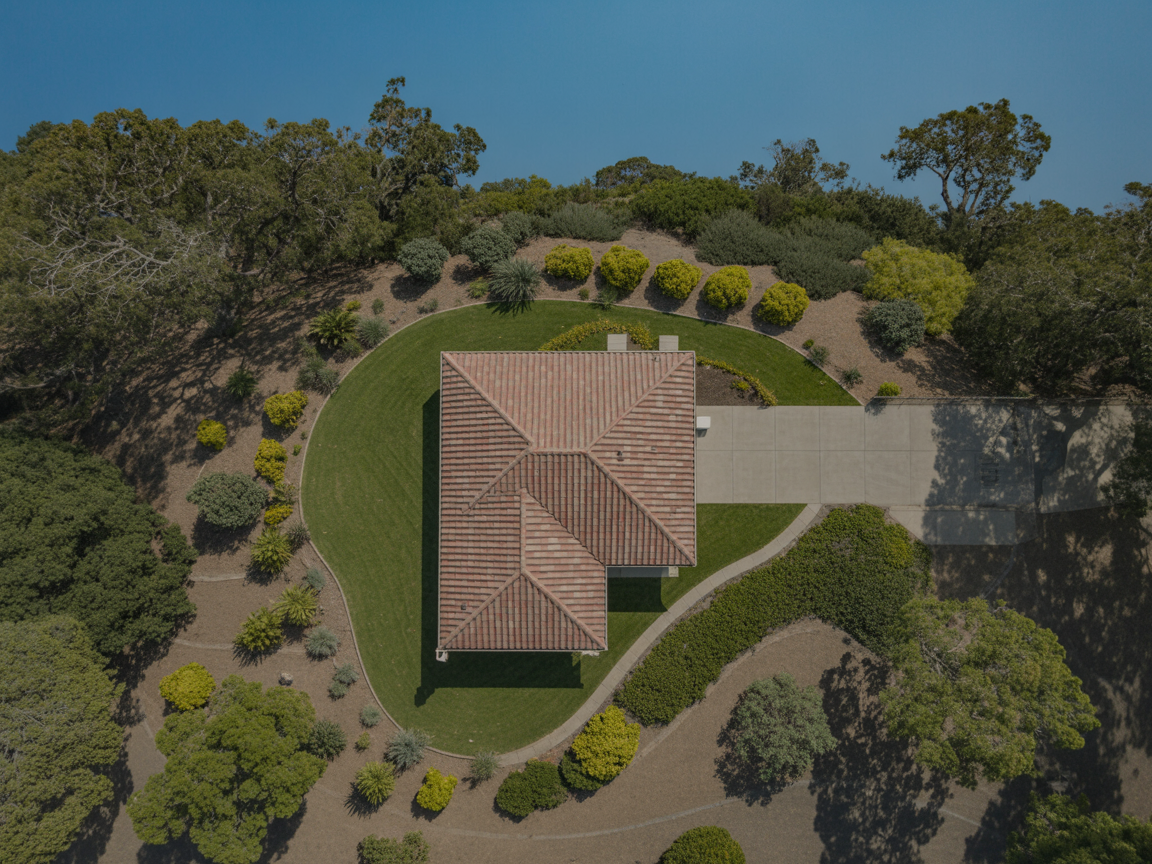
- Zone 0 clearance (0 to 5 feet): vegetation, debris, mulch, and combustible objects removed from the first five feet around the structure.
- Noncombustible materials within 5 feet: fences, gates, and other items touching the home made of noncombustible materials.
- Cleared space under decks: vegetation and debris removed from beneath attached decks.
- Combustible outbuildings removed: sheds and similar structures kept at least 30 feet from the home.
- Defensible space compliance: meeting PRC 4291 for tree trimming, brush removal, and roof clearance.
Community
- Fire Risk Reduction Community: living in a community listed by the California Board of Forestry and Fire Protection.
- Firewise USA site in good standing: a neighborhood recognized by the National Fire Protection Association.
Each category you can document strengthens your insurance file. To see which home hardening your property needs, use our free wildfire assessment tool or book an on-site evaluation.
Why home hardening matters more than most people think
When a wildfire runs through a neighborhood, the fire front usually passes in minutes. The embers do not. They ride the wind ahead of the fire and keep falling for hours. A single ember in the wrong gutter or under the wrong deck is enough. That is why two identical homes on the same street can end the day so differently. One had hardened surfaces. One did not.
Home hardening is the work that closes those gaps. It is not glamorous. It is vents, edges, and materials. But it is the difference between an ember that fizzles out and one that finds fuel.
The parts of a home that matter most
Roof
The biggest target on the house. A Class A fire-rated roof is the baseline for wildfire country.
Vents
Standard vents let embers into the attic. Ember-resistant vents block that path and carriers look for them.
Eaves and siding
Enclosed eaves and fire-resistant siding remove the pockets where embers collect and ignite.
Decks and fences
A wood fence or deck touching the house is a fuse. Noncombustible materials in the first 5 feet break it.
California groups these into categories under Insurance Commissioner Regulation 2644.9. Every one you can document strengthens your file with a carrier. Our home hardening materials guide breaks down which products meet the standard.
What is required, and what just helps
For an existing home in a high fire hazard zone, the firm requirement is defensible space under PRC 4291, including Zone 0, the first 5 feet around the structure. You are not forced to tear off a good roof to meet the newest building code. But the moment you replace a roof, re-side, or swap out vents, the new work has to meet current fire-resistant standards. Touch it, and you bring it up to code.
Everything beyond that is optional but valuable. Ember-resistant vents, enclosed eaves, tempered windows, and noncombustible fencing are not mandated for older homes, yet each one lowers your ignition risk and gives your insurance broker something concrete to show. For the full picture of the zones, see our defensible space guide.
Hardening plus sprinklers is the strongest position
Home hardening is passive. It works whether or not anyone is home. An exterior sprinkler system is active. It detects fire and wets the house down before embers arrive. Neither replaces the other. A hardened home with fewer ignition points, paired with a wildfire sprinkler system soaking those same surfaces, is about as prepared as a Bay Area home can be.
Not sure where your home stands?
No call center. Shawn picks up at 831-705-0888. We walk the property, note every weak point, and tell you what actually moves the needle.
Get the free Bay Area Home Hardening Checklist
A printable, room-by-room checklist of the upgrades that harden a home against wildfire embers, branded and ready to work from.
Find out what home hardening your property needs.
We come out, walk your roof and perimeter, and give you a clear, honest list. No cost and no pressure.
Book Your Free Evaluation