Protecting a Home From Wildfire Comes Down to Three Layers.
Defensible space, hardening, sprinklers. Homes that survive usually have all three.
Start with how homes actually burn
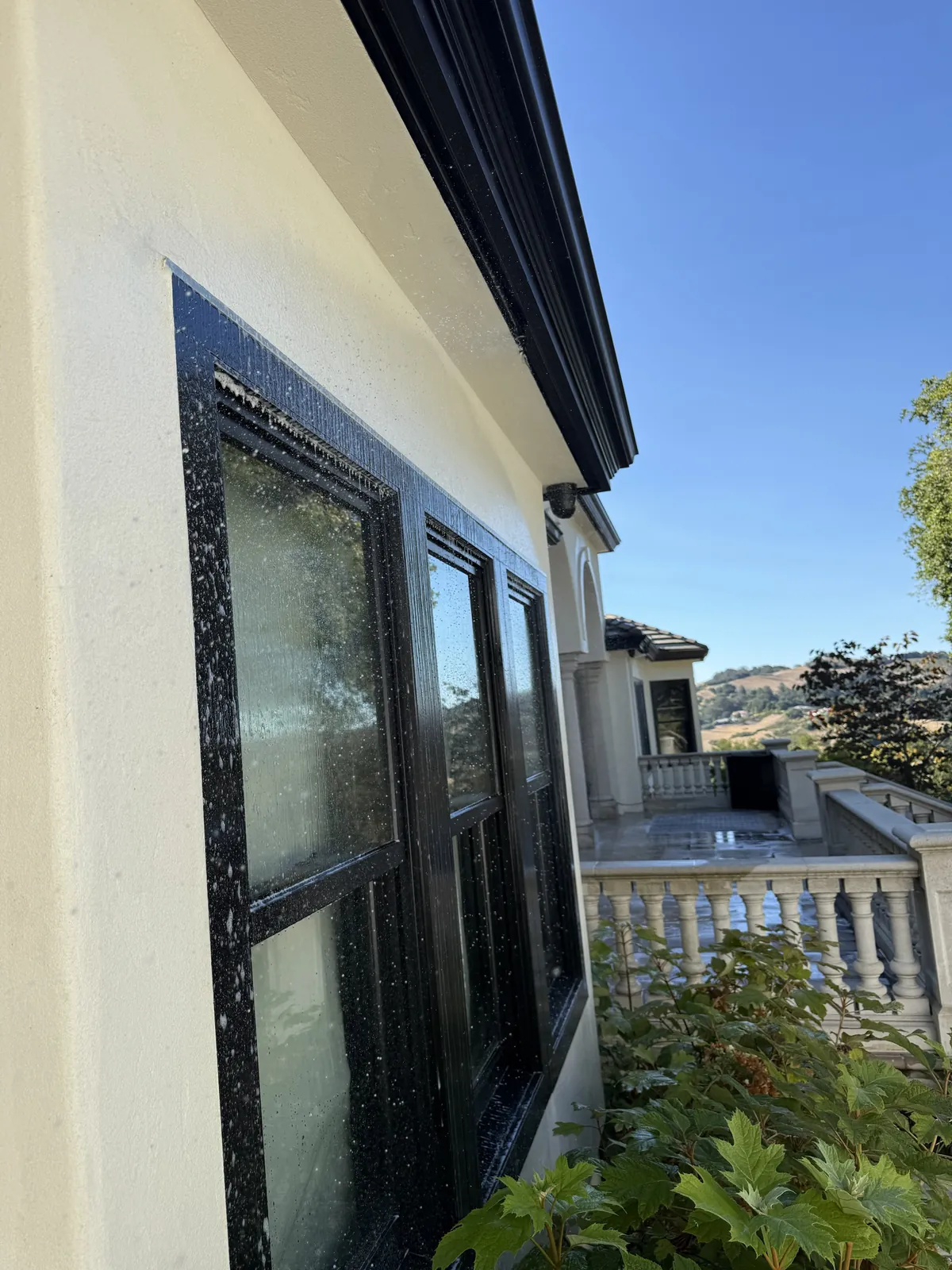
In the big California fires of the last decade, from the CZU Lightning Complex in the Santa Cruz Mountains to the fires that swept the North Bay, most homes did not burn because a wall of flame rolled over them. They burned because embers arrived first. Wind carried them a mile or more ahead of the fire, and they found dry roofs, open vents, wood fences, and cluttered gutters.
Sprinklers that keep running after you evacuate. Hardening that keeps embers out. In the 2007 Ham Lake Fire, all but one building with working sprinklers made it.
Wildfire home protection works in three layers: defensible space to reduce the fuel around the house, home hardening to close the gaps where embers get in, and exterior sprinklers to wet everything down before the fire arrives. No single layer is enough on its own. Homes that survive usually have all three.
Defensible space
Clear and manage vegetation in the first 100 feet so fire has less to burn on its way to the house.
Defensible space guideHome hardening
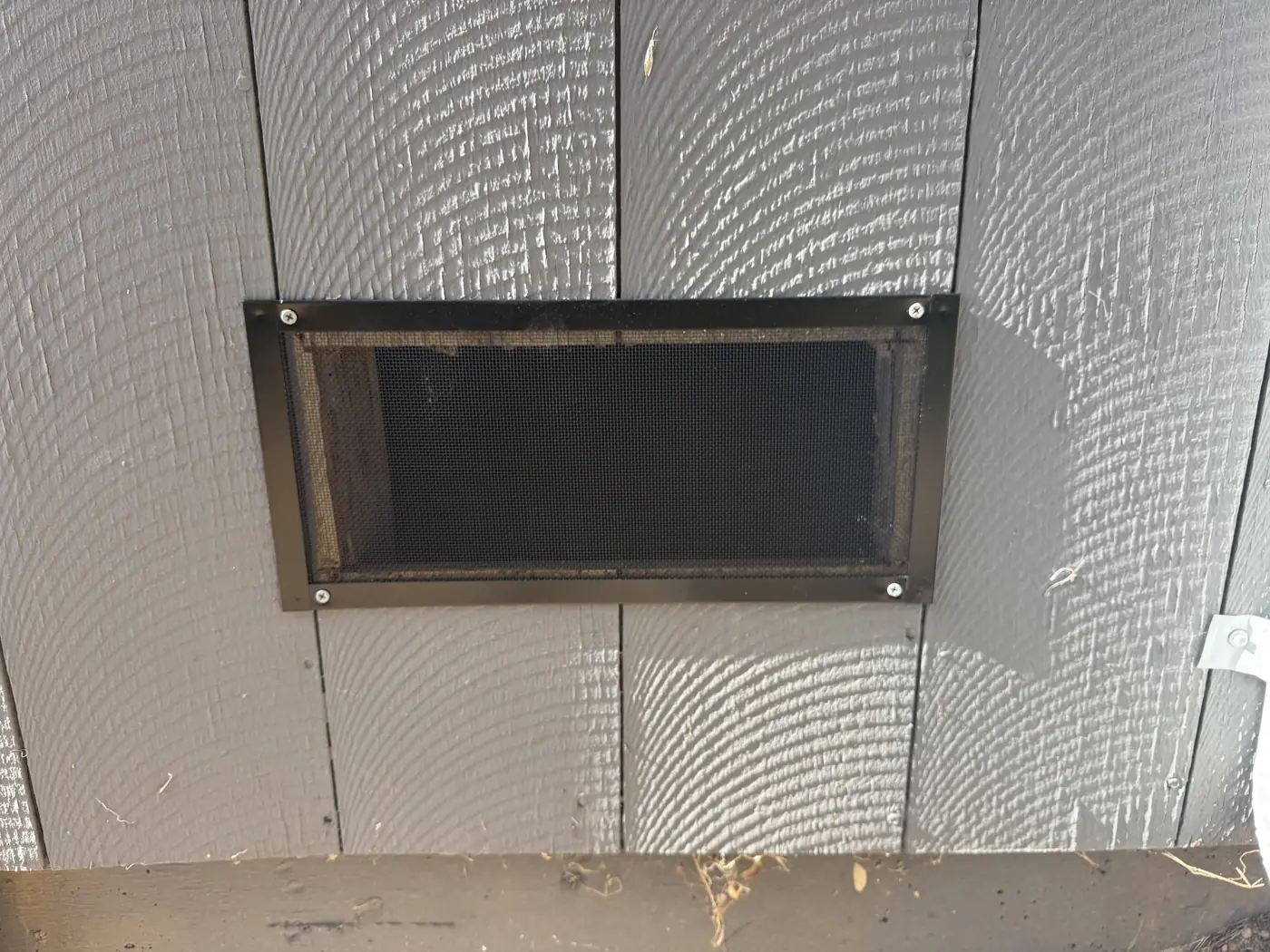
Upgrade the roof, vents, eaves, siding, and fences so embers have nowhere to catch.
Home hardening guideExterior sprinklers
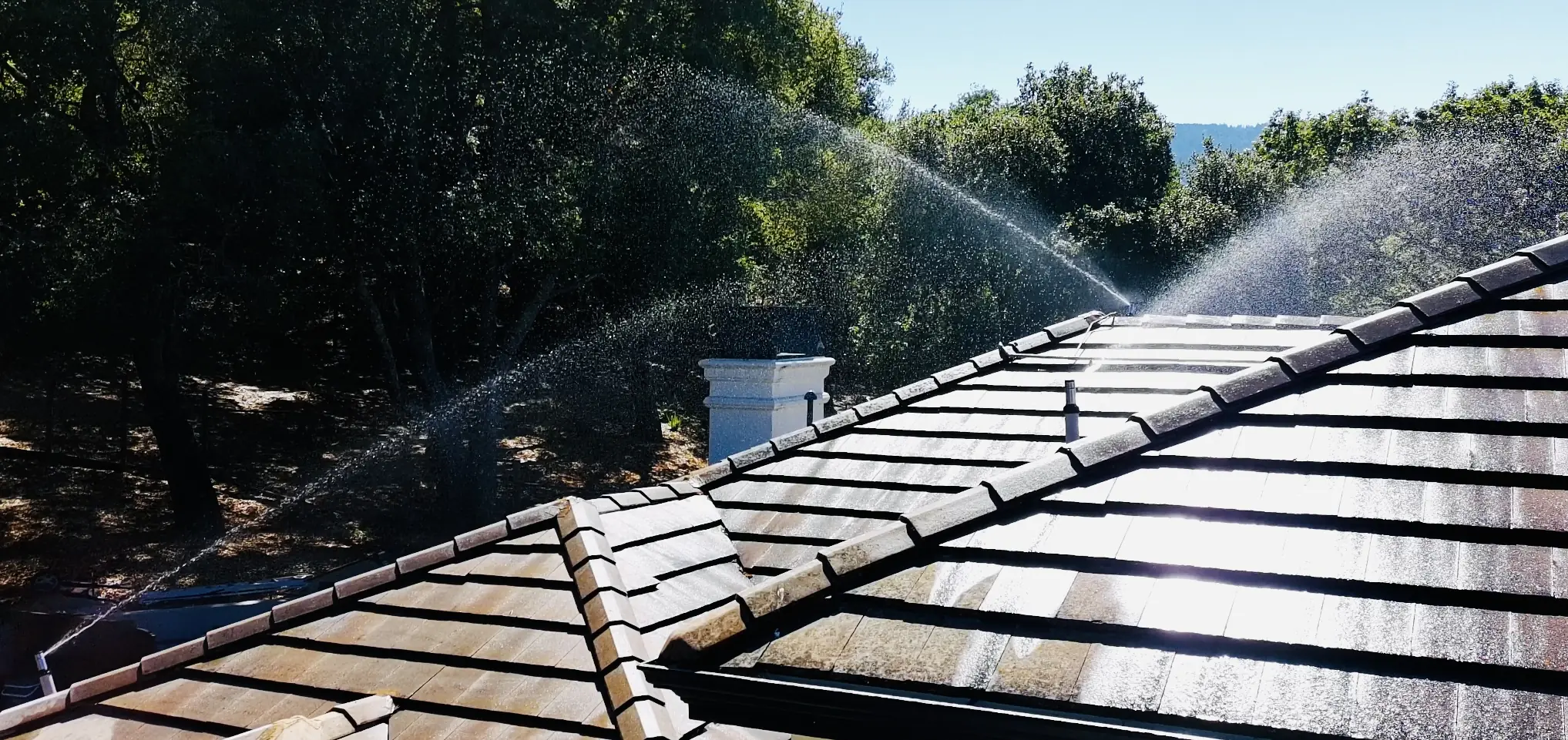
Wet the roof, eaves, and perimeter automatically before the fire arrives, even after you evacuate.
How the system worksWhat it costs
Real pricing tiers and what drives the number, from roof-only coverage to full perimeter with foam.
See wildfire sprinkler system costWhat the layers look like on real homes
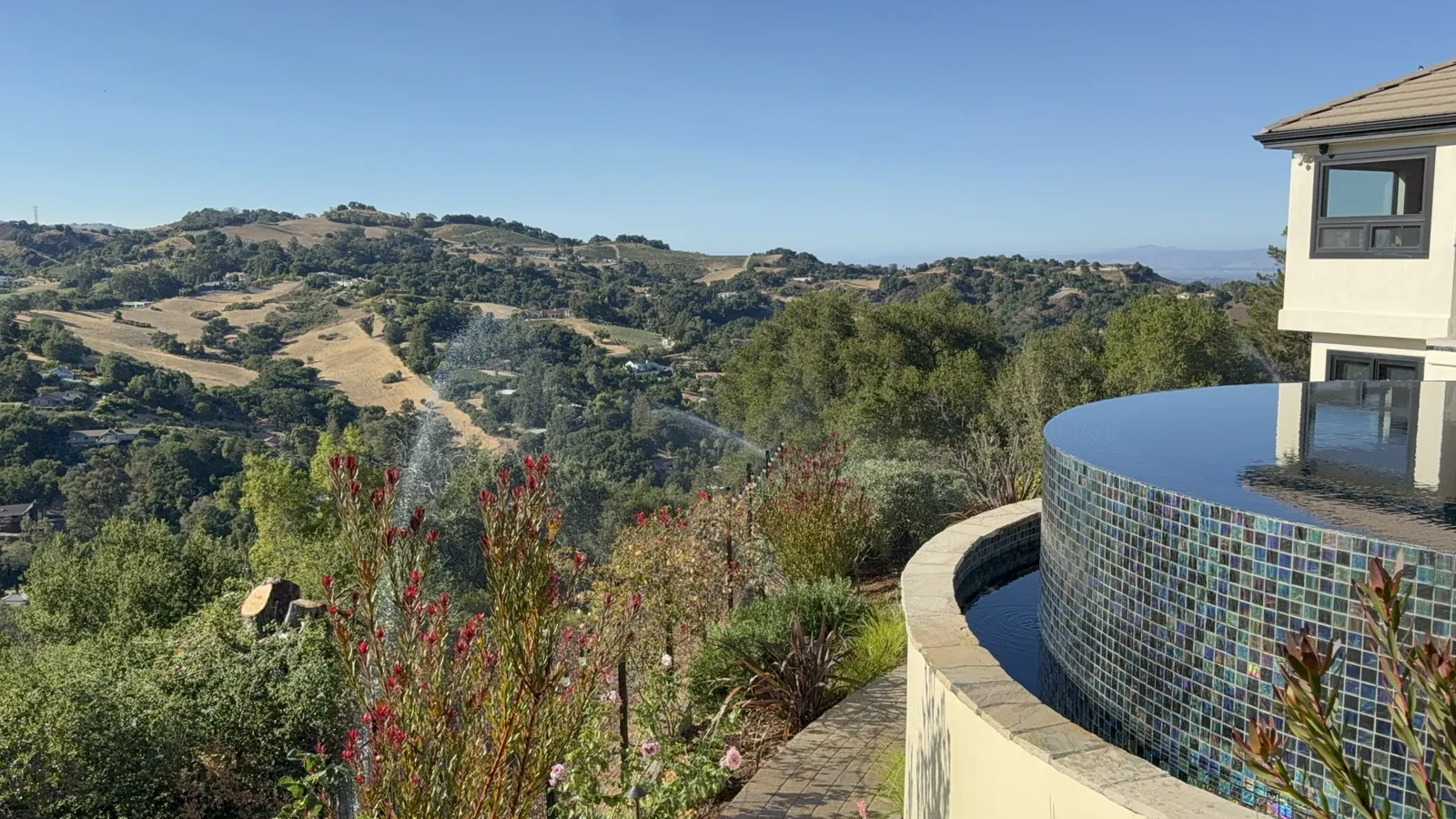
Why the layers work together
Defensible space buys time and lowers the heat that reaches the house. Home hardening removes the easy entry points, so the embers that do land have nowhere to catch. Exterior sprinklers add water on top of both, soaking the roof and the ground so the surfaces are wet when the ember storm hits. Pull out any one layer and the other two have to do more work than they should.
The proof shows up after real fires. In the 2007 Ham Lake Fire, a University of Minnesota report found that all but one building with a working sprinkler system survived.
Where to begin
Start by knowing your risk and your weak points. If you want the fast version, read up on exterior fire sprinklers and how they fit with the rest. When you are ready for specifics, we come to the property and build a plan around your home, your water supply, and your budget.
Local, and hands-on.
Speak to our team today at  831-705-0888. We are based in the Bay Area and we work here, from the Santa Cruz Mountains across the Peninsula and South Bay.
Common Questions
How do you protect a home from wildfire?
Wildfire home protection works in three layers: defensible space to reduce fuel around the house, home hardening to close the gaps where embers get in, and exterior sprinklers to wet the home before the fire arrives. Homes that survive usually combine all three rather than relying on one.
What is the most important part of wildfire home protection?
No single layer is enough on its own, but the first 5 feet around the structure (Zone 0) and a Class A fire-rated roof address the most common ignition points. Adding home hardening and an exterior sprinkler system builds on that foundation.
Build all three layers for your home.
One visit, one clear plan. We test your water, walk your roof, and show you what protection looks like for your property. No pressure.
Request a Private Consultation