Fire-Resistant Siding for Homes in California Wildfire Zones
Your exterior walls are the largest surface exposed to radiant heat and direct flame. Here is what works.
Why This Matters
Your exterior walls are the single largest surface area exposed to a wildfire. During a fire event, radiant heat can exceed 1,400 degrees Fahrenheit at close range. Combustible siding like untreated wood, vinyl, and certain composites can ignite from radiant heat alone, without direct flame contact. Once the siding catches, fire spreads rapidly along the wall and into the structure through joints, vents, and window frames.
The best fire-resistant siding for homes in California wildfire areas is James Hardie HardiePlank fiber cement (Noncombustible per ASTM E136, BML 8140-2026:0005). It is the dominant fiber cement brand...
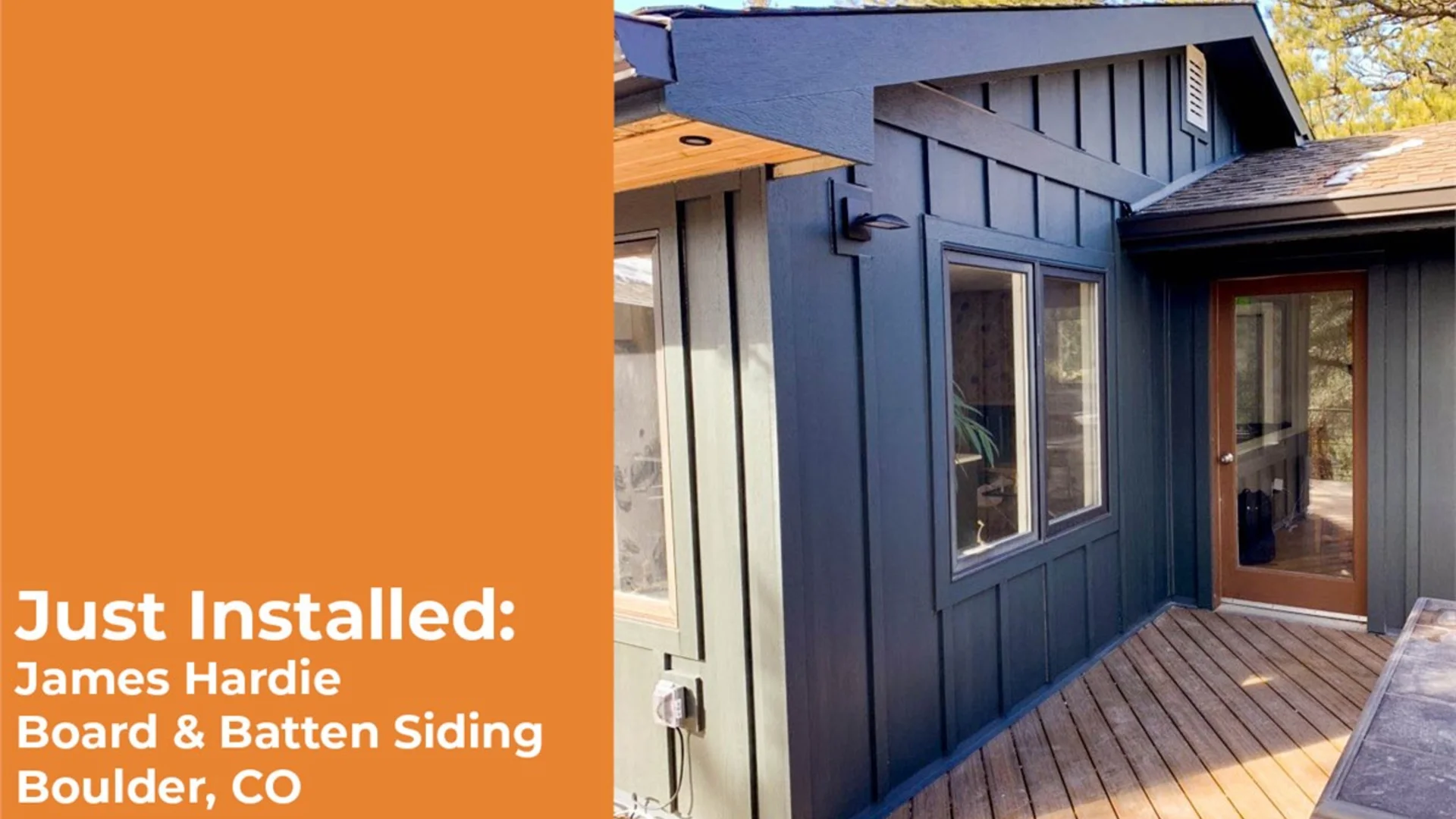
The best fire-resistant siding for homes in California wildfire areas is James Hardie HardiePlank fiber cement (Noncombustible per ASTM E136, BML 8140-2026:0005). It is the dominant fiber cement brand in North America with a 30-year warranty. Nichiha fiber cement panels (BML 8140-2029:0001) offer premium stone and brick textures. LP SmartSide with FlameBlock (BML 8140-2027:0005) achieves WUI compliance as a wall assembly system at a lower cost with a 50-year warranty. California Building Code Chapter 7A requires fire-resistant exterior wall coverings in all Fire Hazard Severity Zones.
Why This Matters
Your exterior walls are the single largest surface area exposed to a wildfire. During a fire event, radiant heat can exceed 1,400 degrees Fahrenheit at close range. Combustible siding like untreated wood, vinyl, and certain composites can ignite from radiant heat alone, without direct flame contact. Once the siding catches, fire spreads rapidly along the wall and into the structure through joints, vents, and window frames.
The best fire-resistant siding for homes in California wildfire areas is James Hardie HardiePlank fiber cement (Noncombustible per ASTM E136, BML 8140-2026:0005). It is the dominant fiber cement brand in North America with a 30-year warranty. Nichiha fiber cement panels (BML 8140-2029:0001) offer premium stone and brick textures. LP SmartSide with FlameBlock (BML 8140-2027:0005) achieves WUI compliance as a wall assembly system at a lower cost with a 50-year warranty. California Building Code Chapter 7A requires fire-resistant exterior wall coverings in all Fire Hazard Severity Zones.
Understanding Fire Resistance Ratings for Siding
Not all fire-resistant siding is created equal. There are three levels of protection, and the terminology matters when you are comparing products or talking to your insurance broker.
Noncombustible (Highest)
Tested under ASTM E136. The material itself does not burn, produce flame, or generate significant heat under any condition. James Hardie fiber cement products carry this rating.
WUI-Compliant
Meets the specific requirements of California Building Code Chapter 7A for wall assemblies. LP SmartSide with FlameBlock achieves this as a system, where the siding, sheathing, and house wrap work together.
Ignition-Resistant
Tested under ASTM E84 with a flame spread index of 25 or less. Materials like fire-retardant treated wood and certain engineered products meet this standard. Lower protection than noncombustible.
Installation Matters as Much as Material
Even the best siding fails if it is installed poorly. We have seen fiber cement homes survive direct flame contact in wildfire events when the installation was done right, and we have seen others ignite through gaps behind the boards. Here is what makes the difference:
- 1. Seal all joints and butt ends with approved caulking
- 2. Use metal flashing at all transitions (roof-to-wall, deck-to-wall, window-to-wall)
- 3. Install noncombustible trim and corner boards, not wood
- 4. Use corrosion-resistant fasteners (stainless or hot-dipped galvanized)
- 5. Maintain a minimum 2-inch clearance between siding and grade
What About Vinyl Siding?
Vinyl siding melts and deforms at relatively low temperatures. It does not sustain combustion on its own, but it can fall away from the wall during a fire, exposing the underlying sheathing and framing. Most vinyl siding does not meet Chapter 7A requirements for wildfire zones. If your home currently has vinyl siding and is in a Fire Hazard Severity Zone, replacing it with fiber cement is one of the most impactful upgrades you can make.
Quick Comparison
Top Picks
James Hardie HardiePlank / HardiePanel
James Hardie Building Products
BML 8140-2026:0005
▼ tap for details
Nichiha Fiber Cement Panels
Nichiha USA, Inc.
BML 8140-2029:0001
▼ tap for details
LP SmartSide with FlameBlock
Louisiana-Pacific Corporation
BML 8140-2027:0005
▼ tap for details
Check Your Siding Against California Fire Code
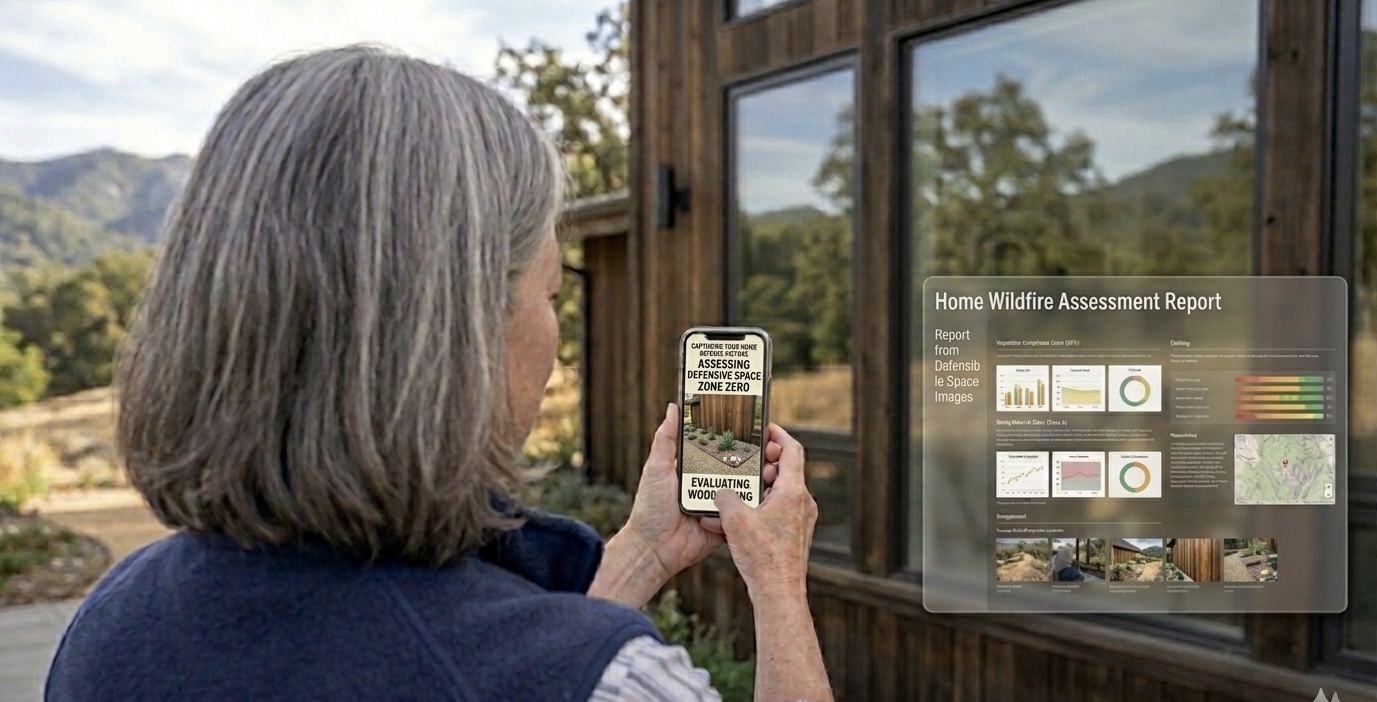
Upload photos of your home exterior and our assessment evaluates your siding, eaves, vents, roof, and every other element against Chapter 7A. You get specific product recommendations matched to your property.
- Photo-based assessment of every exterior element
- Code citations matched to your specific property
- Prioritized action plan with difficulty levels
Takes about a minute. No account needed.
Common Questions
What is the best fire-resistant siding for homes near wildfire?
James Hardie HardiePlank fiber cement is the top choice. It is classified as noncombustible under ASTM E136 (BML 8140-2026:0005), meaning the material itself cannot burn, produce flame, or generate significant heat. It is the dominant fiber cement brand in North America with a 30-year warranty. For homes where wood appearance is important, LP SmartSide with FlameBlock achieves WUI compliance as a system with a natural wood-grain look and a 50-year warranty.
Is fiber cement siding truly fireproof?
Fiber cement like James Hardie HardiePlank is classified as noncombustible under ASTM E136, meaning the material itself does not burn, produce flame, or generate significant heat. However, the siding is only one part of your wall assembly. If there are gaps behind the boards, embers can reach the house wrap or framing underneath. Proper installation with sealed joints, metal flashing at transitions, and noncombustible trim is what makes the full assembly fire resistant.
How much does fire-resistant siding cost compared to wood?
James Hardie fiber cement siding costs approximately $6 to $12 per square foot installed, which is comparable to premium wood siding like cedar or redwood. LP SmartSide with FlameBlock runs $4 to $8 per square foot. A full re-side of a typical Bay Area home ranges from $15,000 to $40,000 depending on size and complexity. The cost difference between fire-resistant and standard siding is smaller than most homeowners expect.
Does my insurance company care about my siding material?
Yes. Insurance inspectors photograph exterior walls during wildfire home assessments. Having noncombustible siding like fiber cement is one of the criteria in the California Department of Insurance Safer from Wildfires framework. Documented fire-resistant siding can help maintain or improve your insurance eligibility in wildfire zones where carriers are tightening underwriting standards.
Can I put fire-resistant siding over existing wood siding?
In most cases, no. Building code requires that the new siding be installed directly on the wall sheathing or an approved substrate. Layering siding creates moisture traps and hides potential structural damage. The existing siding should be removed so the wall sheathing and house wrap can be inspected and updated before the new fire-resistant siding goes on.
Related Home Hardening Guides
Enclosed Eaves
Seal open rafter tails to block embers
Fire-Resistant Windows
Multi-pane tempered glass for WUI zones
Fire-Resistant Fencing
Noncombustible fence options for Zone 0
All Home Hardening Products
Complete OSFM-listed materials guide
Ember-Resistant Vents
ASTM E2886 tested vent options
Wildfire Assessment Report
Photo-based evaluation of your property
Source: 2025 OSFM WUI Listed Products Handbook, published by CAL FIRE Fire Engineering and Investigations Division. This guide is for informational purposes. Consult your local building department and a licensed contractor for specific approvals in your jurisdiction.