Fire-Resistant Fence Options for California Wildfire Zones
Wood fences are a direct pathway for fire to reach your home. Here are the noncombustible alternatives.
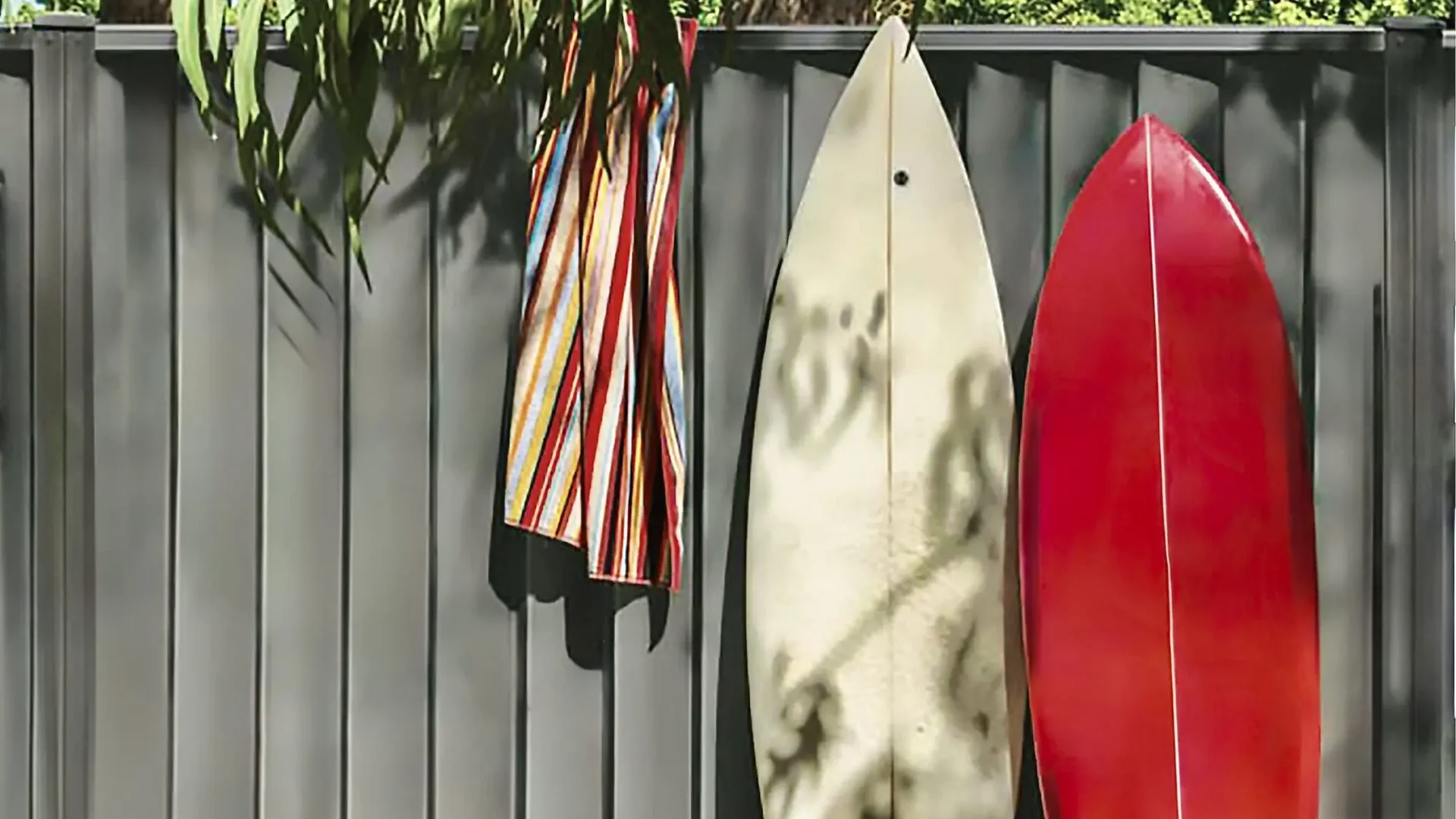
Image: Fire Safe Marin
Why This Matters
Wood fences are one of the most overlooked wildfire vulnerabilities. During the 2017 Tubbs Fire in Santa Rosa, investigators found that many homes ignited because fire traveled along wooden fences from neighboring properties. A six-foot wood privacy fence attached to your home is essentially a fuse connecting the fire in the landscape to your exterior walls. In post-fire assessments, CAL FIRE and IBHS consistently rank fence-to-structure connections among the top ignition pathways.
Fire-resistant fence options for California wildfire zones include steel or wrought iron (fully noncombustible), masonry or concrete block walls, corrugated metal panels, and fiber cement fence panels...
Fire-resistant fence options for California wildfire zones include steel or wrought iron (fully noncombustible), masonry or concrete block walls, corrugated metal panels, and fiber cement fence panels. Wood fences within Zone 0 (the first 5 feet around a home) are a direct ignition pathway. California Building Code Chapter 7A requires noncombustible or ignition-resistant fencing materials within Zone 0 in all Fire Hazard Severity Zones. Metal fencing costs $25 to $60 per linear foot installed, which is comparable to premium wood fencing.
Why This Matters
Wood fences are one of the most overlooked wildfire vulnerabilities. During the 2017 Tubbs Fire in Santa Rosa, investigators found that many homes ignited because fire traveled along wooden fences from neighboring properties. A six-foot wood privacy fence attached to your home is essentially a fuse connecting the fire in the landscape to your exterior walls. In post-fire assessments, CAL FIRE and IBHS consistently rank fence-to-structure connections among the top ignition pathways.
Fire-resistant fence options for California wildfire zones include steel or wrought iron (fully noncombustible), masonry or concrete block walls, corrugated metal panels, and fiber cement fence panels. Wood fences within Zone 0 (the first 5 feet around a home) are a direct ignition pathway. California Building Code Chapter 7A requires noncombustible or ignition-resistant fencing materials within Zone 0 in all Fire Hazard Severity Zones. Metal fencing costs $25 to $60 per linear foot installed, which is comparable to premium wood fencing.
The Fence Problem Nobody Talks About
Most homeowners focus on their roof, siding, and vents when they think about wildfire hardening. Fences get forgotten. But think about what a typical wood privacy fence does during a fire:
- 1. Embers land on the top rail or blown debris accumulates at the base
- 2. The dry wood ignites quickly in low humidity wildfire conditions
- 3. Fire travels along the fence line at walking speed
- 4. The burning fence contacts the exterior wall, eave, or attached deck
- 5. Your siding and eaves ignite even if they were otherwise well-hardened
This is why Zone 0 requirements exist. The first 5 feet around your home must be a noncombustible buffer. Everything in that zone, including fencing, gates, trellises, and arbors, needs to be fire resistant.
Zone 0 Fencing Requirements
California Building Code Chapter 7A and PRC 4291 establish clear requirements for fencing in wildfire zones. Within Zone 0 (0-5 feet from the structure), fencing must be noncombustible or meet ignition-resistant standards under ASTM E84 with a flame spread index of 25 or less.
The simplest approach: if any part of your fence is within 5 feet of the home, use metal, masonry, or fiber cement. If your wood fence starts beyond 5 feet, create a noncombustible break (metal or masonry section) where the fence would otherwise connect to or approach the structure.
Choosing the Right Fencing Material
The right choice depends on your priorities. Here is how the options compare:
For Maximum Protection: Masonry Walls
Concrete block or poured concrete walls provide a complete barrier against radiant heat, flame, and embers. They stop fire cold. Common in Southern California communities and newer developments.
For Aesthetics: Ornamental Steel or Iron
Open steel fencing maintains sight lines and curb appeal while being fully noncombustible. Popular for front yards and property perimeters. Powder coating provides decades of corrosion resistance.
For Privacy on a Budget: Corrugated Metal
Corrugated galvanized steel panels on metal posts give you both noncombustible construction and full privacy. Modern industrial look works well with contemporary California architecture. Lowest cost per linear foot of all noncombustible options.
Quick Comparison
Top Picks
Steel or Wrought Iron Fencing
Various (ornamental iron fabricators)
BML Prescriptive
▼ tap for details
Masonry or Concrete Block Wall
Various (concrete block, stucco finish)
BML Prescriptive
▼ tap for details
Corrugated Metal Privacy Panels
Various (galvanized steel or aluminum)
BML Prescriptive
▼ tap for details
Is Your Fencing a Fire Risk?
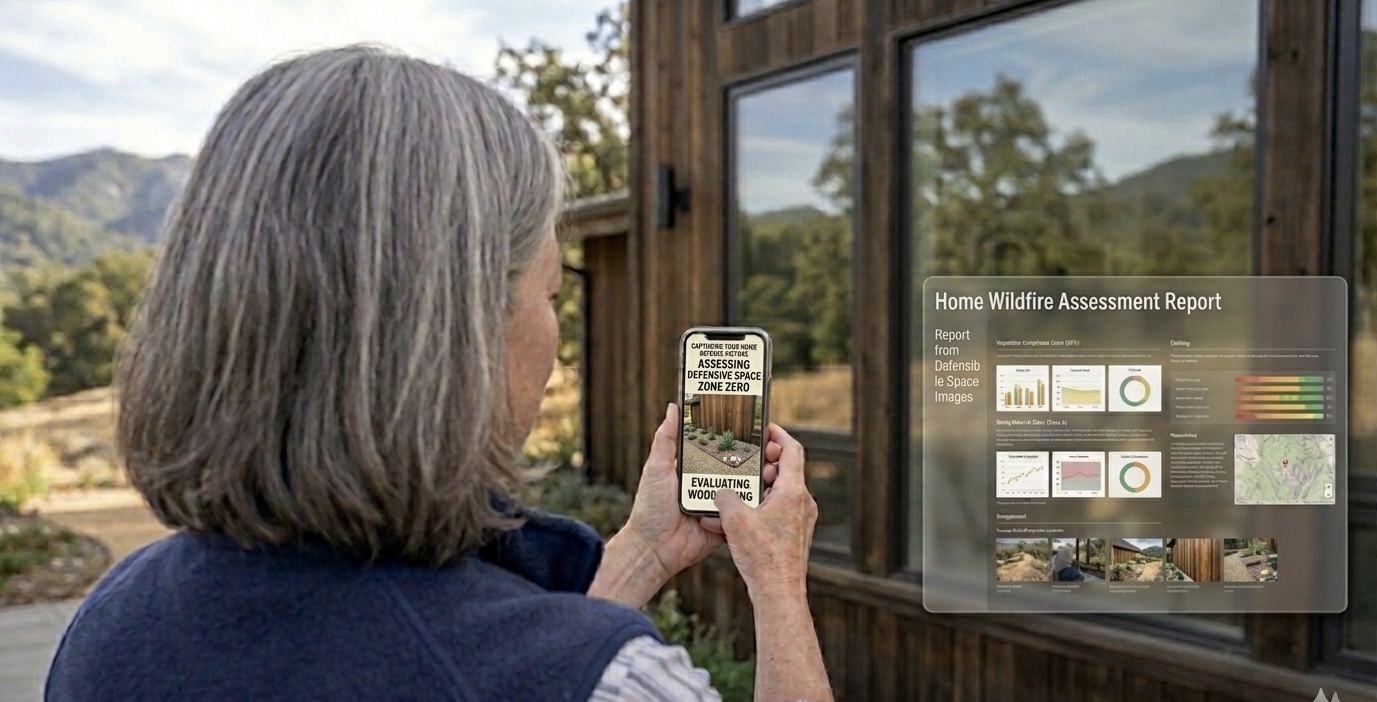
Our wildfire assessment evaluates your fencing, landscape attachments, and every exterior element against Chapter 7A and PRC 4291. You get specific recommendations for your Zone 0.
- Photo-based assessment of every exterior element
- Code citations matched to your specific property
- Prioritized action plan with difficulty levels
Takes about a minute. No account needed.
Common Questions
What kind of fence is fire resistant?
The most fire-resistant fence options are steel or wrought iron (fully noncombustible), masonry or concrete block walls, corrugated metal panels, and fiber cement fencing. Within Zone 0 (the first 5 feet around your home), California code requires noncombustible or ignition-resistant materials. Any wood fence within this zone is a direct ignition pathway that can carry fire from the landscape to your exterior walls.
Why are wood fences such a big wildfire risk?
A wood fence attached to your home acts as a fuse. Embers land on the fence, it catches fire, and the flames travel directly along the fence line to the structure. The fence connects the fire in your yard or your neighbor's yard to your exterior wall, eaves, and siding. CAL FIRE and IBHS consistently identify fence-to-home connections as one of the top ignition pathways in post-fire damage assessments.
Does my fence have to be noncombustible in a California fire zone?
Within Zone 0 (0-5 feet from the structure), yes. California Building Code Chapter 7A requires noncombustible or ignition-resistant materials for any fencing, walls, or attachments within Zone 0 in Fire Hazard Severity Zones. Beyond 5 feet, code requirements ease but fire-resistant fencing is still recommended, especially if the fence connects to or abuts the home.
Can I make my existing wood fence more fire resistant?
You can improve a wood fence by applying fire-retardant treatment, clearing all vegetation within 6 inches of the fence line, and creating a noncombustible break where the fence meets the structure (at least 5 feet of metal or masonry between the wood fence and the home). However, replacing the fence with a noncombustible material is the only way to fully eliminate the risk.
How much does fire-resistant fencing cost?
Metal fencing (steel or aluminum) typically costs $25 to $60 per linear foot installed. Masonry or concrete block walls run $40 to $100 per linear foot. Corrugated metal privacy panels are the most affordable option at $15 to $35 per linear foot. Standard wood privacy fencing costs $20 to $40 per linear foot, so metal fencing is often comparable in price.
Related Home Hardening Guides
Enclosed Eaves
Seal open rafter tails to block embers
Fire-Resistant Siding
Fiber cement and engineered wood options
Fire-Resistant Decking
PVC and composite deck boards
All Home Hardening Products
Complete OSFM-listed materials guide
Defensible Space
Vegetation management around your home
Wildfire Assessment Report
Photo-based evaluation of your property
Source: 2025 OSFM WUI Listed Products Handbook, published by CAL FIRE Fire Engineering and Investigations Division. This guide is for informational purposes. Consult your local building department and a licensed contractor for specific approvals in your jurisdiction.