Fire-Resistant Decking for California Wildfire Zones
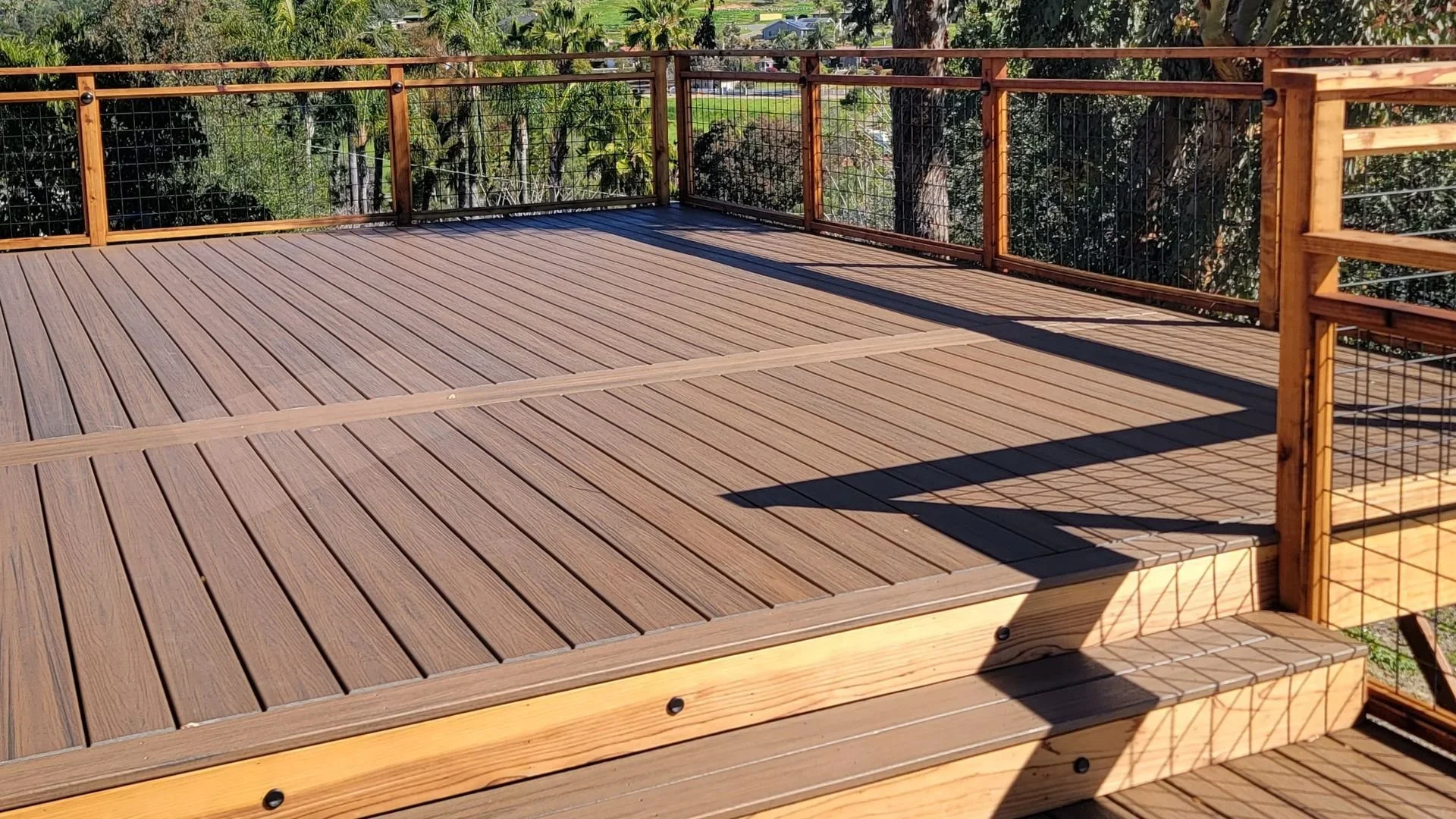
Decks are one of the most vulnerable ignition points. PVC boards with zero wood fiber lead the category.
Why This Matters
Decks are one of the most vulnerable ignition points during a wildfire. Embers land on horizontal surfaces, collect in gaps between boards, and ignite debris that accumulates underneath. A burning deck transmits fire directly to the exterior wall, eaves, and siding of the attached structure. Post-fire assessments by CAL FIRE and IBHS regularly identify deck-to-structure fire transfer as a primary cause of home loss.
The best fire-resistant decking for California wildfire zones is AZEK Landmark Collection (Class A PVC with zero wood fiber, BML 8110-2042:0503), Trex Transcend and Refuge (WUI-Compliant composite and...
The best fire-resistant decking for California wildfire zones is AZEK Landmark Collection (Class A PVC with zero wood fiber, BML 8110-2042:0503), Trex Transcend and Refuge (WUI-Compliant composite and new PVC line, BML 8110-2052:0004), and Fiberon Paramount PVC (Class A, BML 8110-2045:0008). PVC decking leads the category because it contains no wood fiber and will not sustain combustion from ember exposure. California Building Code Chapter 7A requires fire-resistant decking within Zone 0 (0-5 feet of the structure) in all Fire Hazard Severity Zones.
Why This Matters
Decks are one of the most vulnerable ignition points during a wildfire. Embers land on horizontal surfaces, collect in gaps between boards, and ignite debris that accumulates underneath. A burning deck transmits fire directly to the exterior wall, eaves, and siding of the attached structure. Post-fire assessments by CAL FIRE and IBHS regularly identify deck-to-structure fire transfer as a primary cause of home loss.
The best fire-resistant decking for California wildfire zones is AZEK Landmark Collection (Class A PVC with zero wood fiber, BML 8110-2042:0503), Trex Transcend and Refuge (WUI-Compliant composite and new PVC line, BML 8110-2052:0004), and Fiberon Paramount PVC (Class A, BML 8110-2045:0008). PVC decking leads the category because it contains no wood fiber and will not sustain combustion from ember exposure. California Building Code Chapter 7A requires fire-resistant decking within Zone 0 (0-5 feet of the structure) in all Fire Hazard Severity Zones.
Reviewed by the FireRoofs Team
Bay Area wildfire sprinkler specialists. Built by a FireRoofs Vetted Installer: vetted, licensed and insured, and may differ by job location. Learn more about us
Last updated August 2026
PVC vs. Composite: What Actually Matters
The fire-resistant decking market breaks into two main categories, and the difference matters more than most manufacturers want to admit.
PVC Decking (Zero Wood Fiber)
Contains no wood fiber at all. Cannot sustain combustion from embers because there is no organic material to smolder. Self-extinguishes when the flame source is removed. AZEK, Fiberon Paramount, and Trex Refuge are PVC.
Composite Decking (Wood Fiber + Plastic)
Contains wood fiber mixed with recycled plastic. The wood fiber can smolder under sustained ember exposure. Boards can soften, warp, and deform from radiant heat even without direct flame. Many composites are WUI-Compliant, but PVC outperforms in real fire conditions.
What About the Space Under Your Deck?
The space underneath a deck is often more dangerous than the deck surface itself. Leaves, needles, and debris accumulate under decks and create a fuel load that embers can easily ignite. When the debris catches fire, the flames rise directly into the underside of the deck boards.
Even with fire-resistant decking, keep the area underneath clean. Install noncombustible screening or skirting to reduce debris accumulation. If your deck is elevated more than a few inches, consider under-deck sprinkler coverage as part of a complete wildfire defense system.
Natural Hardwood Options
Some tropical hardwoods are dense enough to achieve Class A ratings from natural density alone. KAYU Batu Red Balau (BML 8110-2069:0001), IPE, and Cumaru are all options. They provide a real wood look with genuine fire resistance, but they require periodic maintenance, oiling, and they cost more than PVC. For homeowners who want natural wood aesthetics without the fire risk, these are the only options that meet Chapter 7A.
Bay Area: Where Fire-Resistant Decking Is Required and Recommended
California Building Code Chapter 7A requires ignition-resistant or noncombustible decking on decks attached to homes in Fire Hazard Severity Zones, and Bay Area building departments enforce it on new construction and deck replacements. In the hills above Los Gatos, Saratoga, and Cupertino the Santa Clara County Fire Department reviews home-hardening and defensible-space measures, and on the San Mateo Peninsula the Woodside Fire Protection District runs an annual defensible-space inspection that flags combustible decks within the first 5 feet of the house.
If your parcel sits in a State Responsibility Area or a locally designated Very High zone, plan on a Chapter 7A decking material before you pull a permit. Confirm your zone with our fire hazard zone lookup, review the first-five-feet rules on our defensible space guide, and see how decking fits a full system on our exterior sprinkler systems page.
Quick Comparison
Top Picks
AZEK Landmark Collection
AZEK Building Products
BML 8110-2042:0503
▼ tap for details
Trex Transcend / Refuge
Trex Company, Inc.
BML 8110-2052:0004
▼ tap for details
Fiberon Paramount PVC
Fiber Composites, LLC
BML 8110-2045:0008
▼ tap for details
Is Your Deck a Fire Risk?
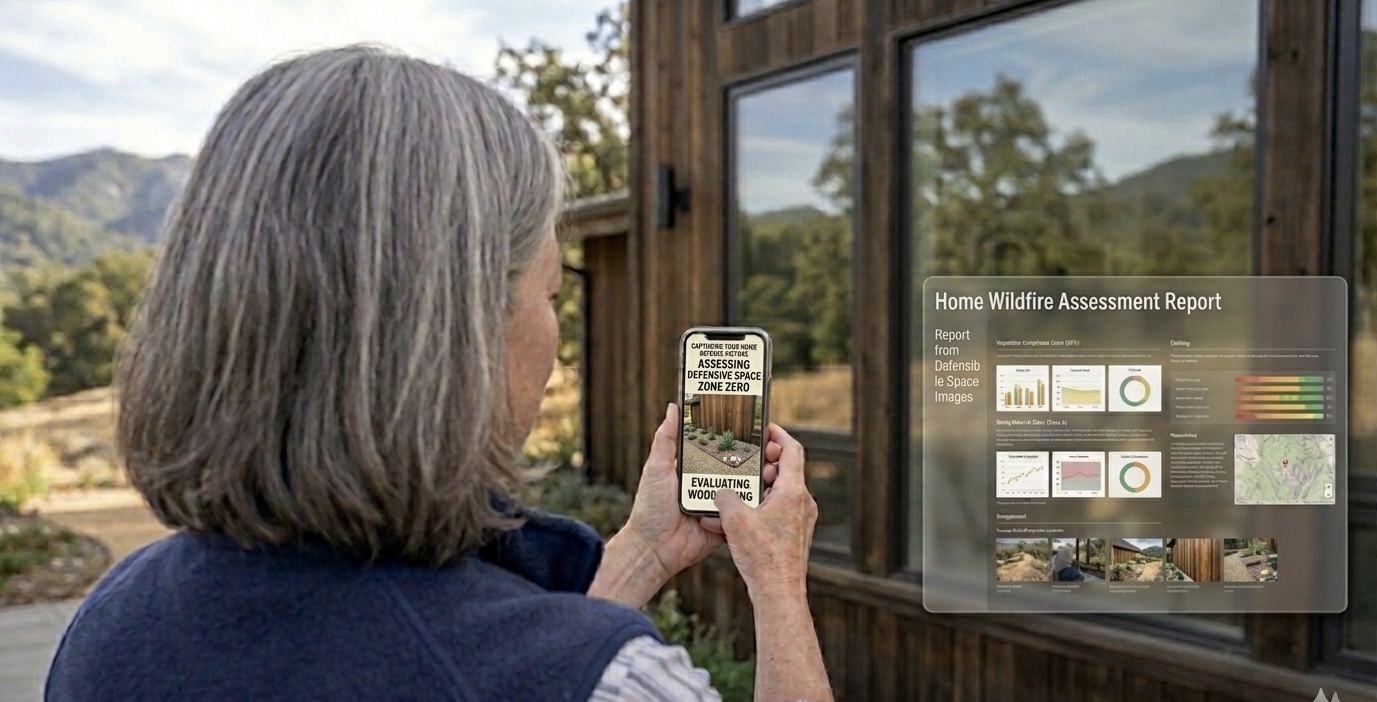
Upload photos of your deck and our assessment evaluates the material, condition, proximity to the structure, and debris exposure against Chapter 7A requirements.
- Photo-based assessment of every exterior element
- Code citations matched to your specific property
- Prioritized action plan with difficulty levels
Takes about a minute. No account needed.
Common Questions
What is the best fire-resistant decking for wildfire areas?
AZEK Landmark Collection is the top choice. It is a full PVC board with zero wood fiber, rated Class A under ASTM E108 (BML 8110-2042:0503). It cannot sustain combustion from embers. Trex Refuge is a newer PVC option built specifically for fire-prone areas. Fiberon Paramount PVC (BML 8110-2045:0008) is a strong value option. All three are listed in the OSFM WUI Products Handbook.
What is the difference between PVC and composite decking for fire resistance?
PVC decking contains zero wood fiber. It self-extinguishes when the flame source is removed and cannot sustain combustion from ember exposure. Composite decking contains wood fiber mixed with plastic. While many composites are WUI-Compliant, the wood fiber can smolder under sustained ember exposure and the boards can warp from radiant heat. For the highest fire resistance, PVC is the better choice.
Can composite decking melt or warp during a wildfire?
Yes. Composite decking contains wood fiber mixed with plastic, and it can soften, warp, and deform under radiant heat from a nearby fire even if it does not ignite. We have removed warped composite boards from homes after wildfires where the deck did not catch fire but lost its structural integrity from heat exposure. PVC decking like AZEK performs better under radiant heat.
How much does fire-resistant decking cost?
PVC decking like AZEK costs $8 to $14 per square foot for materials. Composite decking like Trex Transcend runs $6 to $10 per square foot. Natural Class A hardwood like IPE or Red Balau costs $10 to $18 per square foot. Installation adds $8 to $15 per square foot depending on complexity. A typical 300 square foot deck runs $5,000 to $9,000 total installed.
Does California require fire-resistant decking in wildfire zones?
Yes. California Building Code Chapter 7A requires fire-resistant decking within Zone 0 (0-5 feet of the structure) in Fire Hazard Severity Zones. Decking beyond Zone 0 has less restrictive requirements but fire-resistant materials are recommended. Wood decking in contact with or attached to the home is a significant ignition risk.
Related Home Hardening Guides
Fire-Resistant Fencing
Noncombustible fence options for Zone 0
Enclosed Eaves
Seal open rafter tails above decks
Fire-Resistant Siding
Protect the walls next to your deck
All Home Hardening Products
Complete OSFM-listed materials guide
Ember-Resistant Vents
Block embers from underneath your deck
Wildfire Assessment Report
Photo-based evaluation of your property
Source: 2025 OSFM WUI Listed Products Handbook, published by CAL FIRE Fire Engineering and Investigations Division. This guide is for informational purposes. Consult your local building department and a licensed contractor for specific approvals in your jurisdiction.