Summary from the FireRoofs Team: Wildfire embers can travel several miles and keep starting fires for hours after the flames pass. That makes embers the main threat to hill homes in Saratoga and Los Gatos, even when the fire is on another ridge. Close the gaps embers use (vents, gutters, the first 5 feet), then add water on the roof and walls for when embers are falling and nobody's home.
The fire doesn't have to reach your street to burn your house. The embers will get there first.
This one is for estate homes in the Saratoga and Los Gatos hills, Monte Sereno and Los Altos Hills. Here's what actually ignites houses, and what to fix first.
How Far Can Wildfire Embers Travel?
Several miles. NIST puts it plainly: "unlike embers that can travel several miles, fire exposures affect fuels in the range of tens of feet." (NIST)
So there are two threats. Flames and heat reach tens of feet. Embers ride the wind for miles. IBHS calls wind-blown embers "the #1 reason homes ignite during wildfires." (IBHS Wildfire Ready)
There's no single number that fits every fire. A calm afternoon and a dry offshore wind are two different fires. What matters is this: you can be well outside the burn area on the map and still have embers landing on your roof.
How Do Embers Set a House on Fire?
They land on something that burns, or they get inside.
IBHS says homes ignite "through a complex mix of ember attack and direct flame exposure." (IBHS) NIST adds that embers can ignite "parked vehicles, storage sheds, decks" and other things around a home.
The usual ways in:
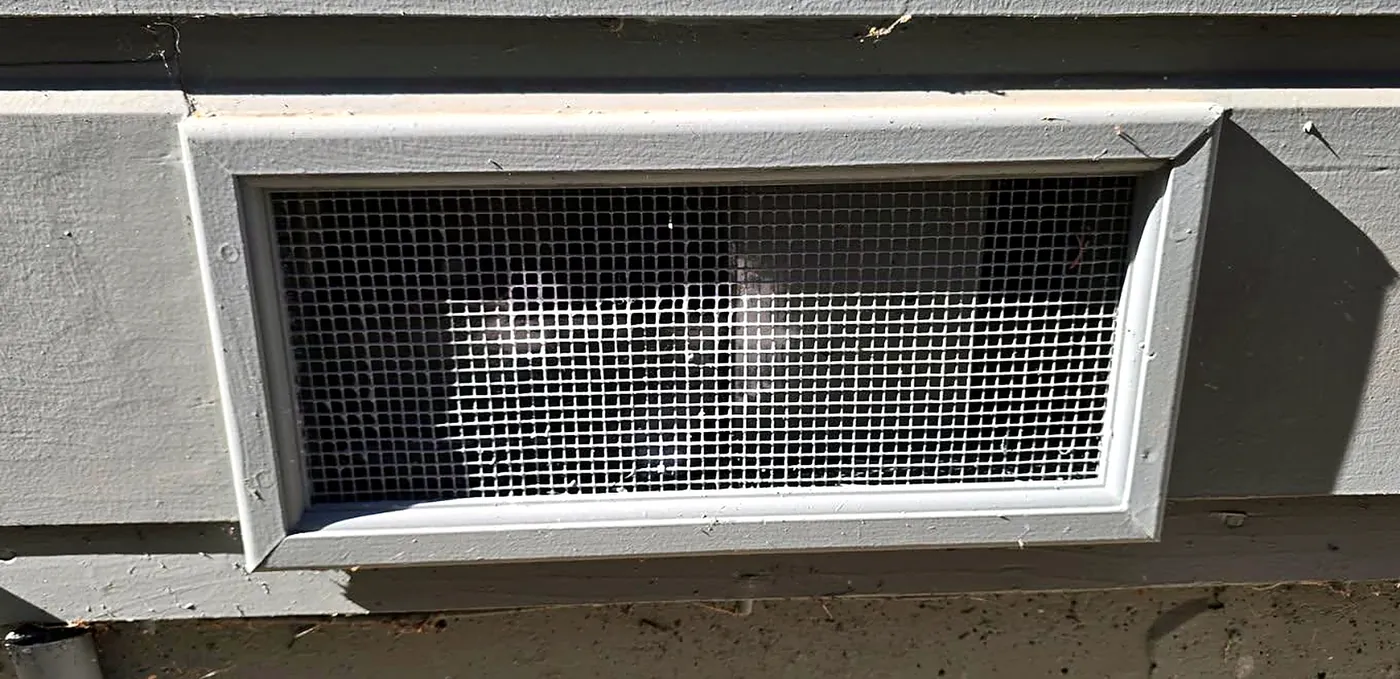
- Vents. Attic, eave and foundation vents pull air in. Embers come with it.
- Roof and gutters. Dry leaves and needles in a gutter catch easily, right against the roof edge.
- The first 5 feet. Bark mulch, shrubs against the wall, a woodpile, a wood fence touching the house.
- Decks. Debris on and under the boards, plus whatever is stored beneath.
IBHS is clear about where to start: "Removing all combustible materials from this 5-foot zone is the most effective defensible space action homeowners can take to reduce the risk of home ignition." (IBHS Zone 0)
How Long Does an Ember Attack Last?
Hours. NIST says "ember ignitions may occur hours after the flame front has passed." The fire moves on. The embers keep falling and smoldering.
That's the part most people miss. By the time embers are landing, you've evacuated, and the engines may be on another street. IBHS says a home "should be prepared to withstand ember exposure and nearby flames on its own."
What Does This Mean for Saratoga and Los Gatos Hill Homes?
Your house needs to hold the line by itself.
Hill estate homes above Saratoga and Los Gatos sit on slopes of oak, brush and redwood, often at the end of long, narrow roads. When a fire starts in the hills, most owners will be gone and crews will be spread across a lot of homes.
So the real question is simple. When embers land on your roof for hours, is there anything for them to catch?
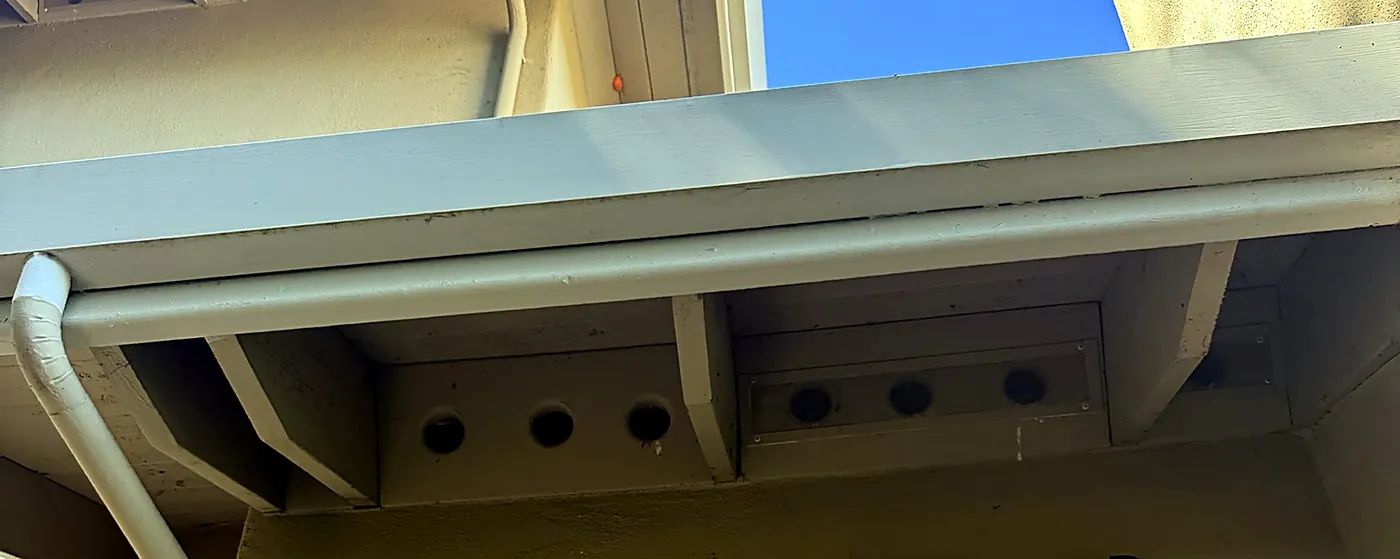 Scotts Valley home, open vents on the left and ember-screened vents on the right" loading="lazy" />
How Do You Protect a Hill Home From Embers?
Close the gaps first. Then add water.
| Where embers get in | The fix |
|---|---|
| Attic, eave and foundation vents | Ember-resistant vents or 1/8-inch metal mesh |
| Roof and gutters | A sound Class A roof and clean gutters. Replace an older roof, even an older Class A roof, before adding sprinklers |
| First 5 feet (Zone 0) | Swap bark mulch for rock, pull plants back, move firewood, cut wood fences back from the wall |
| Deck | Clear debris on and under it, store nothing that burns beneath |
| Roof, eaves and walls during the fire | Exterior fire sprinklers that wet them in cycles while embers are falling |
Sources: CAL FIRE Ready for Wildfire; IBHS.
This is the same work that helped one FireRoofs client keep their home insurance: foundation and soffit vents retrofitted to ember-resistant, and wood fencing removed near the house. FireRoofs provides the documentation for brokers and carriers. See our guides to ember-resistant vents and defensible space.
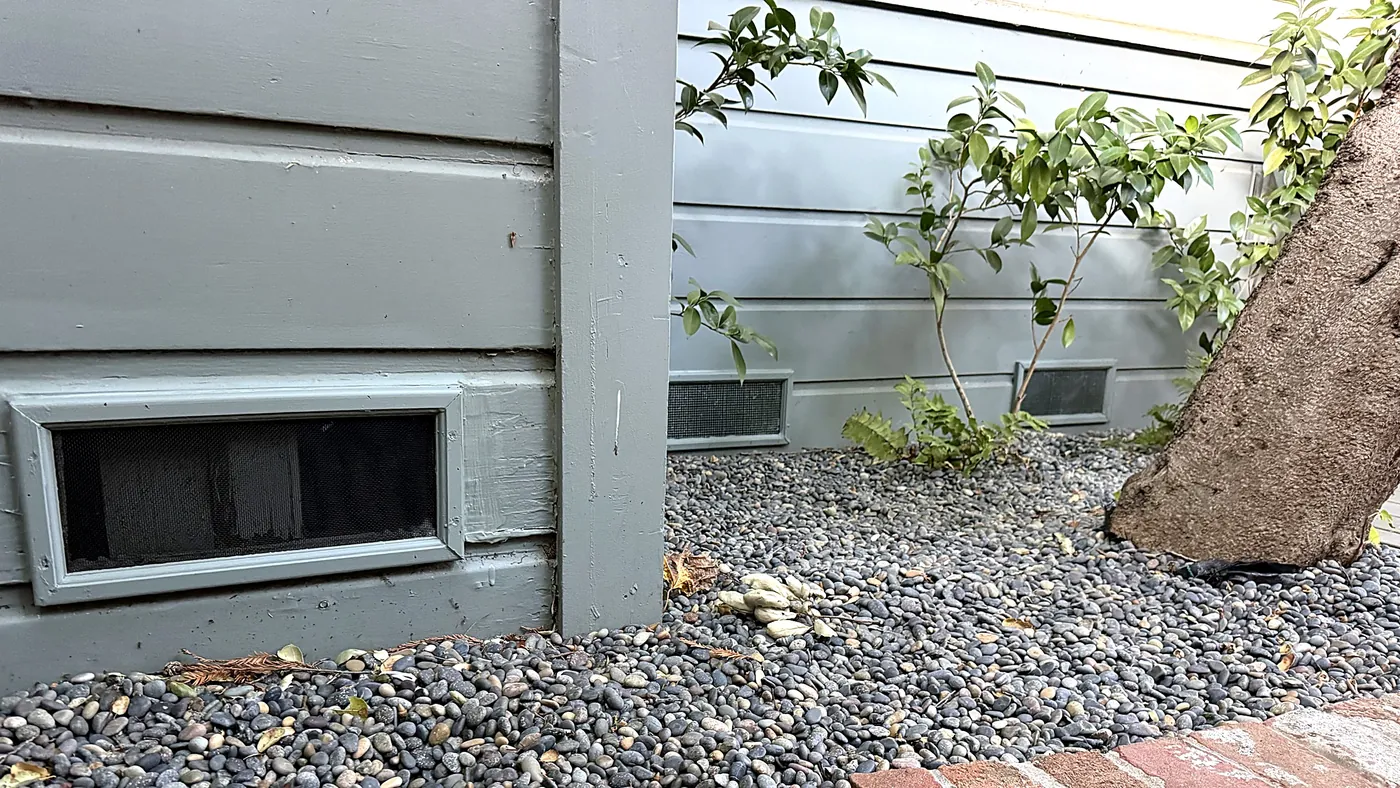
Sprinklers are the last layer. FireRoofs roof rotors throw water up to 35 feet, and copper eave lines wet the walls, windows and first 5 feet. Dual wildfire detection turns them on when a fire is near, whether or not you're home. No system guarantees a home survives a wildfire. Sprinklers are a layer of defense on top of a home that's already hard to ignite.
Your 30-Minute Ember Walk-Around
Do this once before fire season. Take your phone and write down what you find.
- Look at every vent. Can you see metal mesh? Is it 1/8 inch or smaller and in one piece?
- Look in the gutters. Leaves or needles mean an ember bed against your roof.
- Walk the first 5 feet. Count anything that burns: mulch, plants, furniture, firewood, a wood fence.
- Look under the deck. Leaves, lumber or storage all count.
- Check the roof. Missing or curled shingles, gaps at the edges, or an older roof near the end of its life.
- Find your water. Pool, storage tank or city line only?
If the list is longer than you expected, that's normal. It's also fixable. Check your address on our California wildfire map to see your local hazard zone.
Frequently Asked Questions
How far can wildfire embers travel?
Several miles. NIST says embers can travel several miles ahead of a wildfire, while flames and radiant heat reach tens of feet. The exact distance depends on wind and fuel. For a hill home above Saratoga or Los Gatos, a fire on the next ridge is close enough to send embers onto your roof.
Can embers start a fire hours after the flames pass?
Yes. NIST says ember ignitions may occur hours after the flame front has passed. Embers keep landing and smoldering in gutters, mulch and vents long after the main fire moves on. That's why a home needs defenses that work without anyone there.
What is the most common way embers ignite a home?
Embers usually ignite something on or next to the house first: dry debris in gutters, bark mulch, a woodpile or a wood fence touching the wall. They also get in through unscreened or damaged vents. IBHS calls clearing the first 5 feet the most effective defensible space action a homeowner can take.
Does a Class A roof stop embers?
A Class A roof resists ignition far better than an unrated one, but it isn't the whole answer. Leaves in the gutters, gaps at the roof edge and open vents can still let embers start a fire. FireRoofs recommends replacing an older roof, even an older Class A roof, before installing sprinklers.
What is Zone 0?
Zone 0 is the first 5 feet around a home, also called the ember-resistant zone. IBHS calls clearing it the most effective defensible space action you can take, because embers and nearby flames reach the house there. California's Board of Forestry is writing Zone 0 rules into state regulation.
Does FireRoofs work in Saratoga and Los Gatos?
Yes. Saratoga, Los Gatos and Los Altos Hills are the heart of the FireRoofs service area, along with Monte Sereno and the Santa Cruz Mountains. Each town has a wildfire risk page on fireroofs.com with local hazard details.
The Bottom Line
Embers travel miles and keep coming for hours. In the Saratoga and Los Gatos hills, that means your house will likely face them alone.
Close the gaps embers use. Clear the first 5 feet. Then put water on the roof when the fire is close. Request a Private Consultation and we'll walk your home vent by vent.
Sources
FireRoofs installs are done by a licensed, insured partner.