Insurers Are Coming Back to California's Wildfire Country. Will They Choose Your Home?
Written by the FireRoofs Team
The letter that once said "non-renewal" may soon say "we'd like to quote your home." Whether yours gets that letter depends on what an underwriter sees when they look at it.
What we're seeing in the hills
We spend our weeks on hillside properties in Saratoga, Los Gatos, Los Altos Hills, Portola Valley and the Santa Cruz Mountains. Most homeowners who call us have a similar story: a non-renewal letter or a premium that jumped, a fire close enough to smell, and a wish to have the work done right, done once and done without turning the property into a construction zone.
Three groups shape how we approach every home:
- Homeowners tell us the hardest part is not knowing what the insurer actually wants. Inspection notices list vents, gutters, fencing and the first five feet around the house, often with little explanation.
- Certified Wildfire Mitigation Specialists we work alongside find the same weak spots again and again: open vents, mulch and plants against the walls, and wood fences tied into the house. Those are the paths embers use to get in.
- Insurance brokers tell us mitigation only counts if they can prove it. Clear photos and organized documentation are what move an underwriter.
All three point to the same conclusion. The homes that survive wildfires and the homes that get insured are, for the most part, the same homes.
Why high-value homes face a harder road
Owners of estate homes in the wildland urban interface carry a few extra burdens:
- Coverage that doesn't match the home. The California FAIR Plan tops out at $3 million for dwelling, other structures and contents combined. When a rebuild runs well past that, the gap has to be filled with costly add-on policies.
- Rising costs. The California Department of Insurance approved an average 29.1% FAIR Plan rate increase for new and renewing policies starting October 15, 2026.
- Fewer choices. Only a limited number of carriers write high-value homes in wildfire areas, so each one has more room to be selective.
When a home is worth more than any policy will fully pay, the strongest financial protection is a home that doesn't burn. Insurance can replace a structure. It can't replace the custom work, the memories or the years a rebuild takes.
What returning insurers look for
Returning carriers want proof that a home resists embers, which the California Department of Insurance calls the leading cause of home ignition in a wildfire. Two state-recognized standards set the bar: California's Safer from Wildfires discount framework and the IBHS Wildfire Prepared Home designation. Some of the state's largest insurers have committed to writing policies for homes that earn that designation.
The payoff is measurable. State rules require insurers to offer Safer from Wildfires discounts ranging from 4% to 40%, with the largest discounts going to the highest-risk homes. A 2026 study by the Department of Insurance and the NAIC found that rebuilding the 2025 Los Angeles fire areas to the Wildfire Prepared Home standard would cut expected annual wildfire losses by 31%, and by 35% at the Plus level.
In practice, underwriters and inspectors check the same short list:
| What they check | What "good" looks like |
|---|---|
| Roof | Class A and in good condition. We recommend replacing an older roof, even an older Class A roof. |
| First 5 feet (Zone 0) | Noncombustible: gravel or river rock instead of mulch, no plants or wood touching the house |
| Vents | Ember-resistant foundation, soffit and gable vents |
| Fences and decks | No wood fence attached to or within 5 feet of the house |
| Gutters and eaves | Clean gutters and enclosed eaves |
| Documentation | Photos and records a broker can hand to an underwriter |
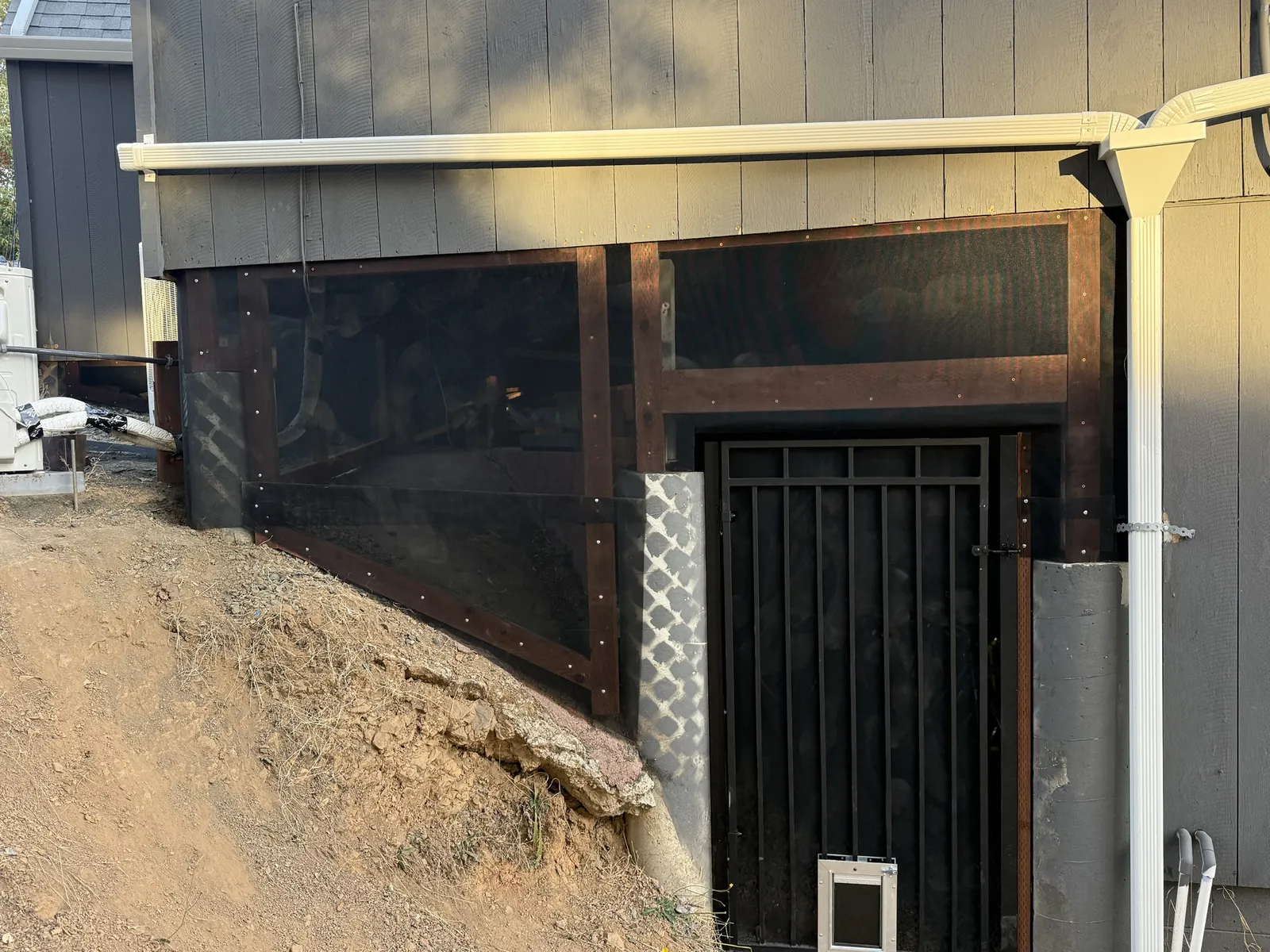
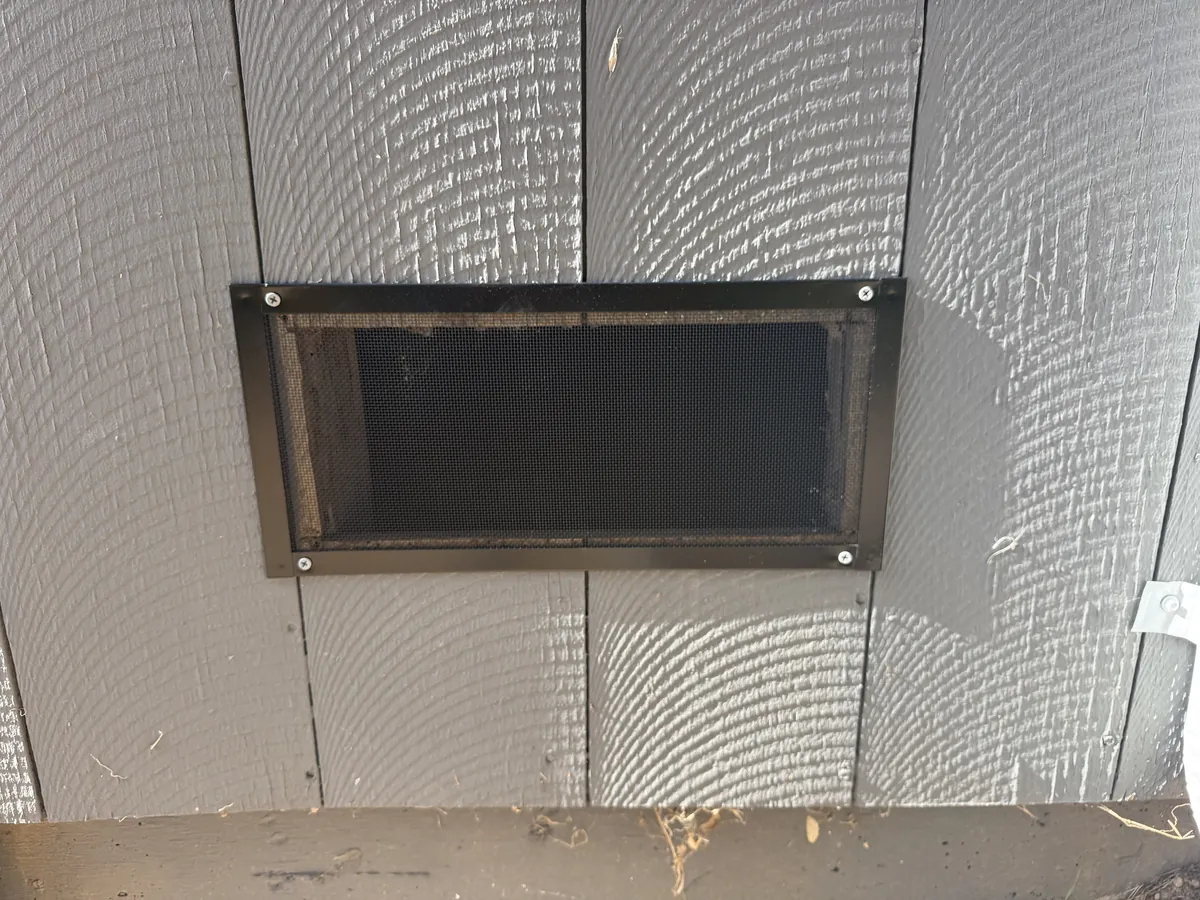
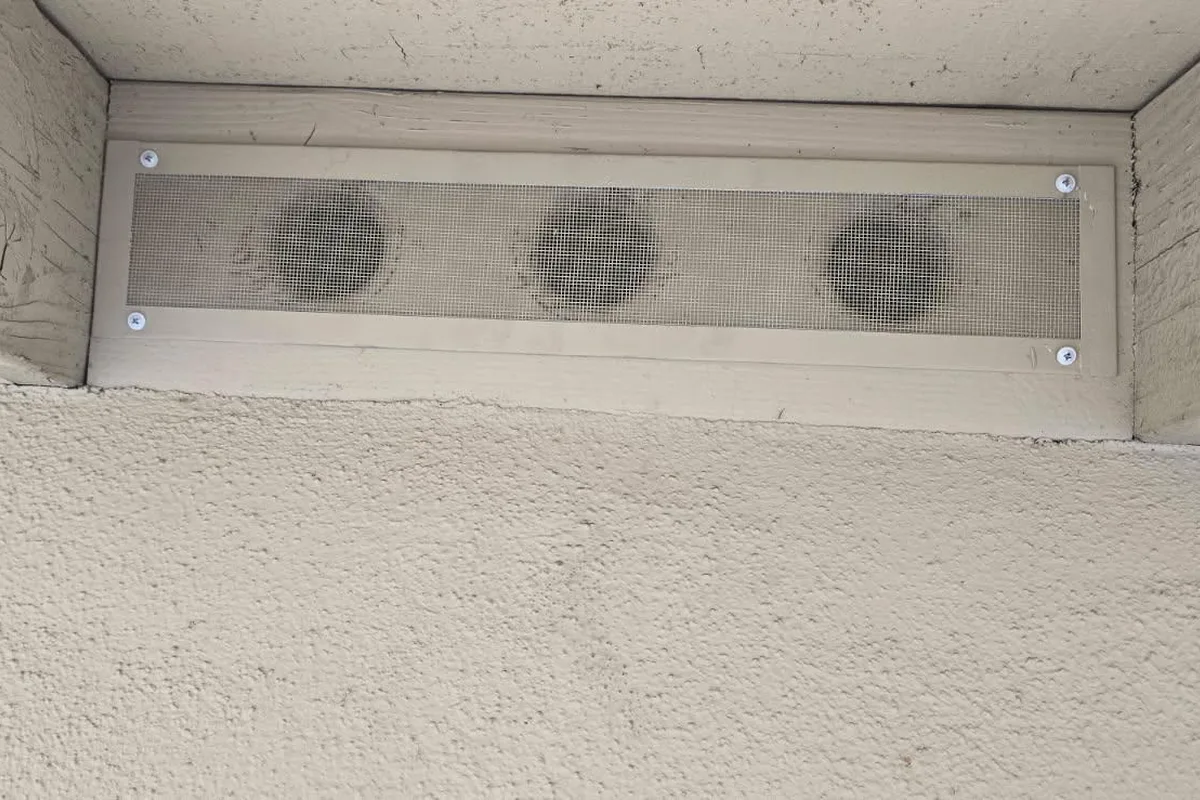
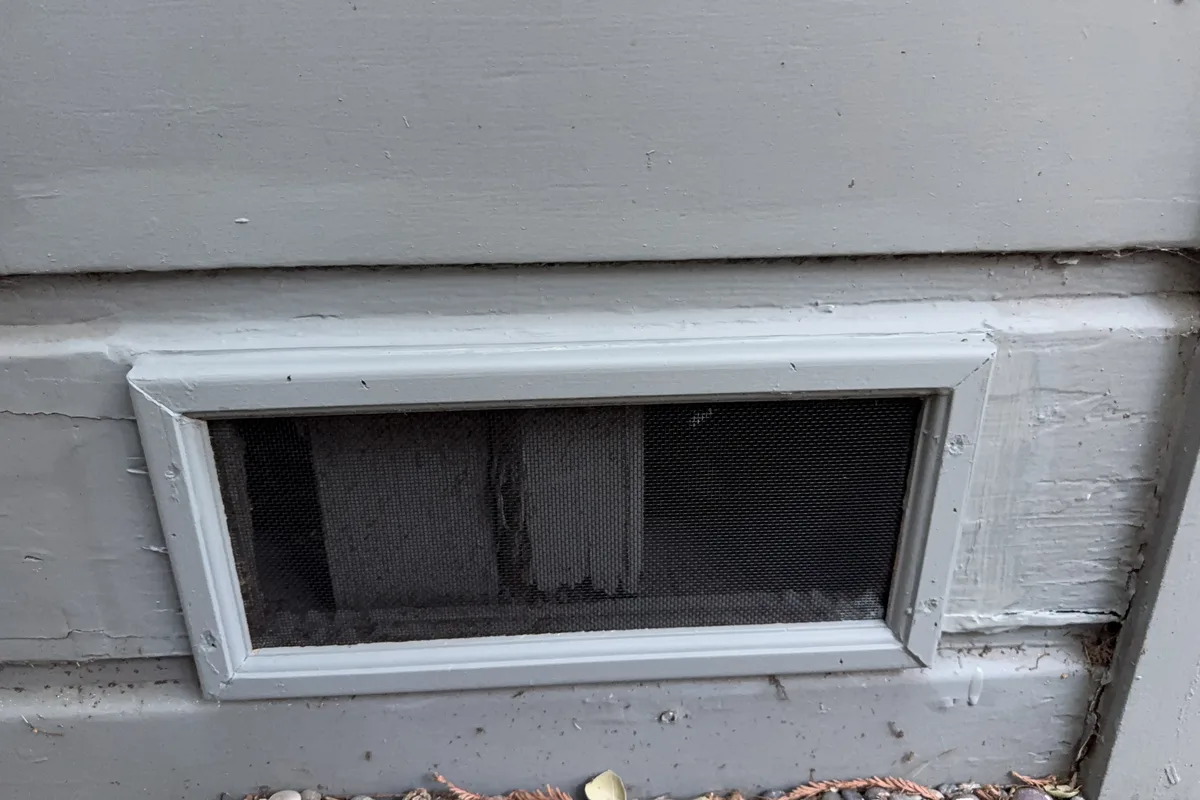
That last row of the table matters more than most people expect. Work that isn't documented is work an underwriter can't count.
A note on Zone 0: California's Board of Forestry adopted statewide rules for the first five feet around homes in August 2026, then withdrew them from final legal review on September 8 for technical edits. As of late October 2026 they are not in force. Insurers already look closely at this zone, so doing the work now is a head start, not a gamble.
Hardening keeps embers out. Water keeps them from catching.
Home hardening is passive protection. It makes it harder for embers to get inside or ignite something next to the house. For homes in the steepest, most exposed terrain, many of our clients add active defense: an automatic exterior fire sprinkler system on the roof and around the home.
The idea is simple. A wet roof, wet eaves and a wet perimeter are much harder for embers to ignite. As we like to say, wet homes don't burn.
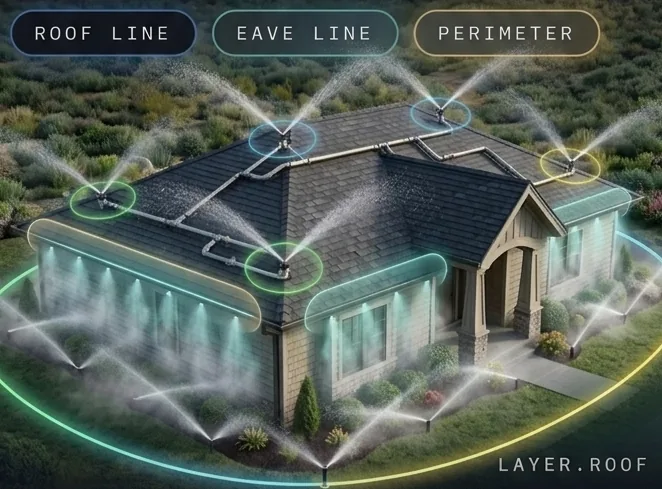
A FireRoofs system:
- Watches for fire near the home. Cameras on the property look for signs of wildfire, alongside regional fire data.
- Turns on by itself. It can start protecting the house before the family evacuates, or while no one is home.
- Keeps the homeowner in control. Status and controls are on their phone.
- Blends into the architecture. Copper pipe and discreet heads are designed to fit a fine home, not look like an add-on.
Some homeowners also choose optional Class A foam. Mixed into the sprinkler water, it clings to walls, doors and the ground around the house, so surfaces stay wet longer.
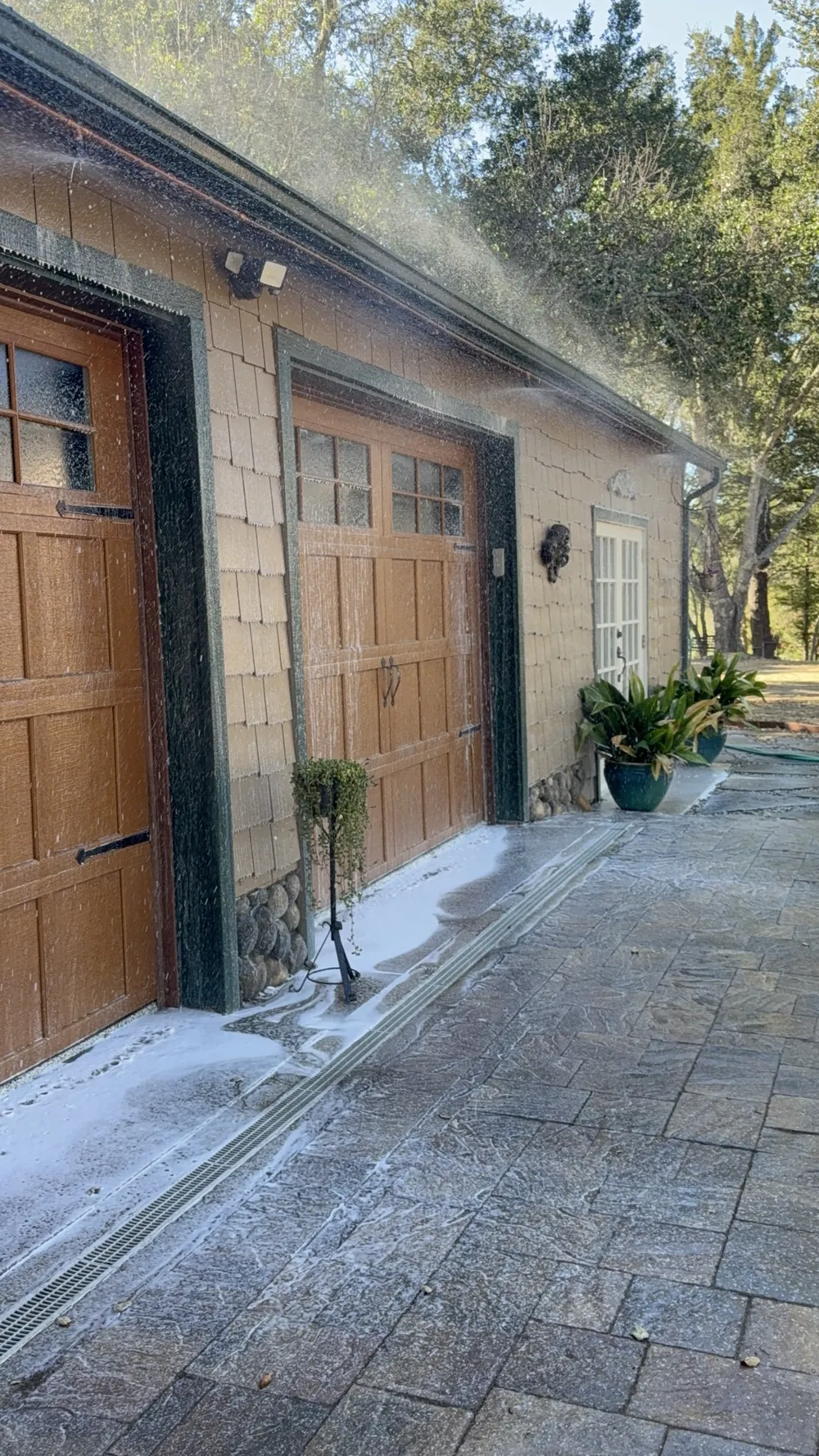
We've seen it work. In August 2026, a fire broke out 1.2 miles from a client's home in the Santa Cruz Mountains. The on-site camera spotted it and the system turned on by itself, before regional satellite data picked it up. The home came through safely.
No system can promise a home will survive a wildfire. Exterior sprinklers are one strong layer of defense, working alongside hardening, defensible space and the local fire agency.
How we help homeowners protect their homes and their coverage
The homeowners who get the best offers will be the ones who are ready before the quotes come back. This is the order we recommend:
- Ask for your wildfire risk score. Under California's Safer from Wildfires rules, your insurer must give you your score in writing, explain what would lower it, and let you appeal it.
- Fix the first five feet. Swap mulch for rock, move firewood and plants, and pull wood fencing back from the house.
- Upgrade vents and close the gaps. Ember-resistant vents and enclosed eaves are among the most common items on inspection notices.
- Look hard at the roof. If it's older, plan to replace it before anything else goes on top.
- Add active defense. An automatic exterior fire sprinkler system protects the home when no one is there to do it.
- Document everything. Before and after photos, product details and a clean summary your broker can send to underwriters.
- Bring your broker in early. Share the documentation and ask which returning carriers fit a home like yours. If you've received a non-renewal, California generally requires at least 75 days' notice, so start the day the letter arrives.
FireRoofs handles vents, active defense and documentation (steps 3, 5 and 6) as one project across 41 Bay Area wildland urban interface communities. Every job is built by a FireRoofs Vetted Installer, and homeowners receive insurance-ready documentation at the end.
Zone 0 work in step 2 is done by our partner contractors. We connect you with a trusted local crew, so the first five feet get handled in the right order alongside your FireRoofs project.
Together with our partners, we've helped homeowners keep their private insurance through Zone 0 work, vent retrofits and fence removal. We've also helped FAIR Plan clients whose homes are worth far more than the plan's limit add active defense, so the home itself is protected even where the policy falls short.
Frequently asked questions
Are insurance companies coming back to California wildfire areas?
Yes. Several carriers have filed to reopen or expand in California, with more expected through 2027. Most are prioritizing homes that show strong wildfire mitigation.
Does the FAIR Plan fully cover a high-value home?
Often not. The FAIR Plan's residential limit is $3 million for dwelling, other structures and contents combined. Owners whose rebuild cost exceeds that usually add separate coverage to close the gap.
How much is the FAIR Plan going up?
The California Department of Insurance approved an average 29.1% FAIR Plan rate increase, down from the 35.8% the plan requested. It applies to new and renewing policies starting October 15, 2026. Individual changes can be higher or lower depending on a home's wildfire risk, so check your renewal notice closely.
What is a Wildfire Prepared Home?
It's a designation from the Insurance Institute for Business and Home Safety (IBHS) for homes that meet a science-based standard for ember and fire resistance. Some major California insurers have committed to writing policies for homes that earn it.
Will home hardening guarantee my policy gets renewed?
No. Insurers weigh many factors. But hardening and good documentation give your broker the strongest possible case.
Is Zone 0 required in California yet?
Not yet. The Board of Forestry adopted statewide Zone 0 rules for the first five feet around homes on August 19, 2026, then withdrew them from final legal review on September 8 to make technical edits. Once they take effect, existing homes are expected to get a multi-year phase-in. Many insurers already check this zone today.
Can I see and appeal my wildfire risk score?
Yes. California's Safer from Wildfires regulation requires insurers that price wildfire risk to give you your score in writing, explain which features affected it and what would lower it, and offer an appeal. Ask again after you finish mitigation work, since improvements can change the score.
What do exterior fire sprinklers add if my home is already hardened?
They add water. Hardening slows embers down. An automatic exterior system wets the roof, eaves and perimeter so embers have a much harder time igniting anything.
Do exterior fire sprinklers lower my insurance?
Sometimes, but don't count on it. The state's required discounts focus on roofs, vents, windows, eaves and defensible space, not sprinkler systems. A few insurers have started giving credit for active defense systems, and that list may grow. The bigger value is protecting a home worth more than any policy will pay. Ask your broker what your carrier recognizes.
Do I need to be home for a FireRoofs system to work?
No. The system watches for fire near your home and can turn on by itself, even after you've evacuated.
I got a non-renewal notice. How much time do I have?
California generally requires insurers to give at least 75 days' written notice before a non-renewal takes effect. Use that time to fix the items on any inspection report, document the work, and have your broker shop returning carriers. Apply to the FAIR Plan as a backup so you're never without coverage.
Our goal: every home standing after the next fire
The insurance market is reopening, and the homes that are hardened, protected and documented will be first in line. But coverage is only part of it. What we want most is for every home in our communities to be standing when the next wildfire passes through.