Class A Fire-Rated Roof for California Homes
Your roof is the primary ember landing zone during a wildfire. Class A is the standard.
Why This Matters
Your roof is the single largest horizontal surface on your home, making it the primary landing zone for airborne embers during a wildfire. Embers can travel 1 to 2 miles ahead of the fire front and rain down on rooftops across entire neighborhoods. A roof that cannot resist ember ignition puts every other hardening upgrade at risk, no matter how good your siding, vents, and eaves are.
A Class A fire-rated roof is the highest fire-resistance classification under ASTM E108. Standing seam metal roofing (noncombustible, 40-60+ year lifespan), concrete or clay tile (fireproof, 50-100+ y...
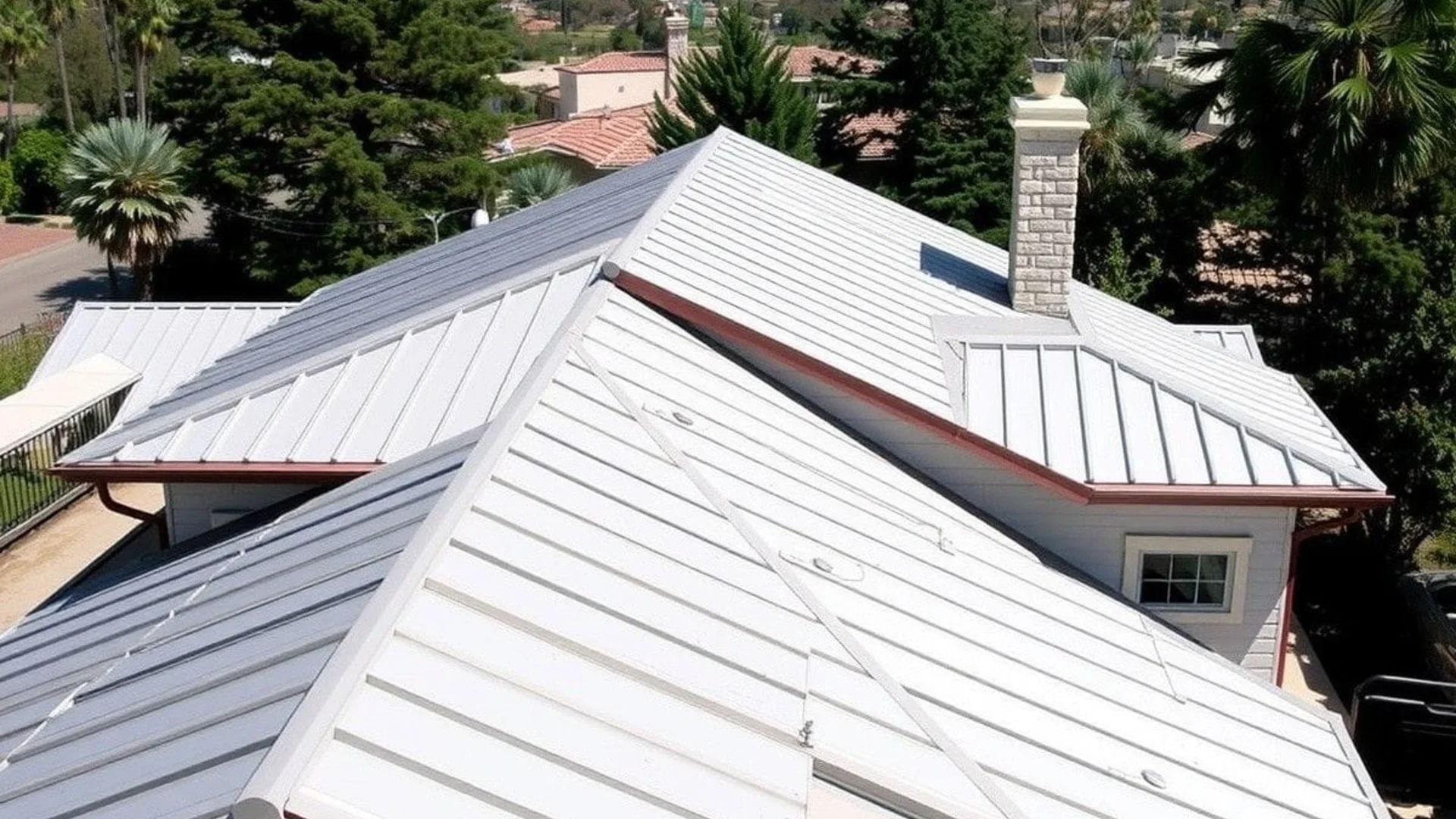
A Class A fire-rated roof is the highest fire-resistance classification under ASTM E108. Standing seam metal roofing (noncombustible, 40-60+ year lifespan), concrete or clay tile (fireproof, 50-100+ year lifespan), and Class A asphalt shingles with OSFM WUI-listed underlayment like MFM Ultra HT (BML 8180-2433:0001) are the three main options. California Building Code Chapter 7A requires Class A roof assemblies in all Fire Hazard Severity Zones. Wood shakes and shingles are banned.
Why This Matters
Your roof is the single largest horizontal surface on your home, making it the primary landing zone for airborne embers during a wildfire. Embers can travel 1 to 2 miles ahead of the fire front and rain down on rooftops across entire neighborhoods. A roof that cannot resist ember ignition puts every other hardening upgrade at risk, no matter how good your siding, vents, and eaves are.
A Class A fire-rated roof is the highest fire-resistance classification under ASTM E108. Standing seam metal roofing (noncombustible, 40-60+ year lifespan), concrete or clay tile (fireproof, 50-100+ year lifespan), and Class A asphalt shingles with OSFM WUI-listed underlayment like MFM Ultra HT (BML 8180-2433:0001) are the three main options. California Building Code Chapter 7A requires Class A roof assemblies in all Fire Hazard Severity Zones. Wood shakes and shingles are banned.
Understanding Class A, B, and C Ratings
ASTM E108 defines three fire-resistance classes for roofing. All three are tested against burning brands, intermittent flame, and radiant heat. The difference is the severity of the test conditions.
Class A (Highest)
Withstands severe fire exposure. Required in all California fire zones. Metal, tile, and properly assembled asphalt systems all qualify.
Class B
Withstands moderate fire exposure. Not sufficient for California fire zones. Some older treated wood products fall here.
Class C
Withstands light fire exposure only. Does not meet California WUI requirements. Untreated wood shingles often fall in this range or below.
Beyond the Surface Material
A roof is a system, not just a surface. The fire rating applies to the entire assembly, including underlayment, sheathing, flashing, and edge details. Here is what makes a complete fire-resistant roof:
- 1. Class A surface material (metal, tile, or Class A shingles)
- 2. Fire-rated underlayment (MFM Ultra HT is OSFM WUI-listed)
- 3. Metal drip edge and bird stop to block embers at the roof perimeter
- 4. Sealed ridge vents or ember-resistant ridge ventilation
- 5. Noncombustible gutters and gutter guards to prevent debris accumulation
The Wood Shake Problem
If your home has a wood shake or shingle roof, you are carrying one of the highest wildfire risks possible. Wood roofs absorb embers and ignite readily, especially when dry and weathered. California banned wood shakes in fire zones for good reason. If your wood roof is still in place, you will be required to replace it when re-roofing is triggered. Many insurance companies now refuse to renew policies on homes with wood roofs in High or Very High Fire Hazard Severity Zones.
Quick Comparison
Top Picks
Standing Seam Metal Roofing
Various (ask your contractor)
BML Prescriptive
▼ tap for details
Concrete or Clay Tile
Eagle, Boral, US Tile, and others
BML Prescriptive
▼ tap for details
Class A Asphalt Shingles + WUI Underlayment
Various + MFM Ultra HT
BML 8180-2433:0001 (MFM)
▼ tap for details
Check Your Roof Against California Fire Code
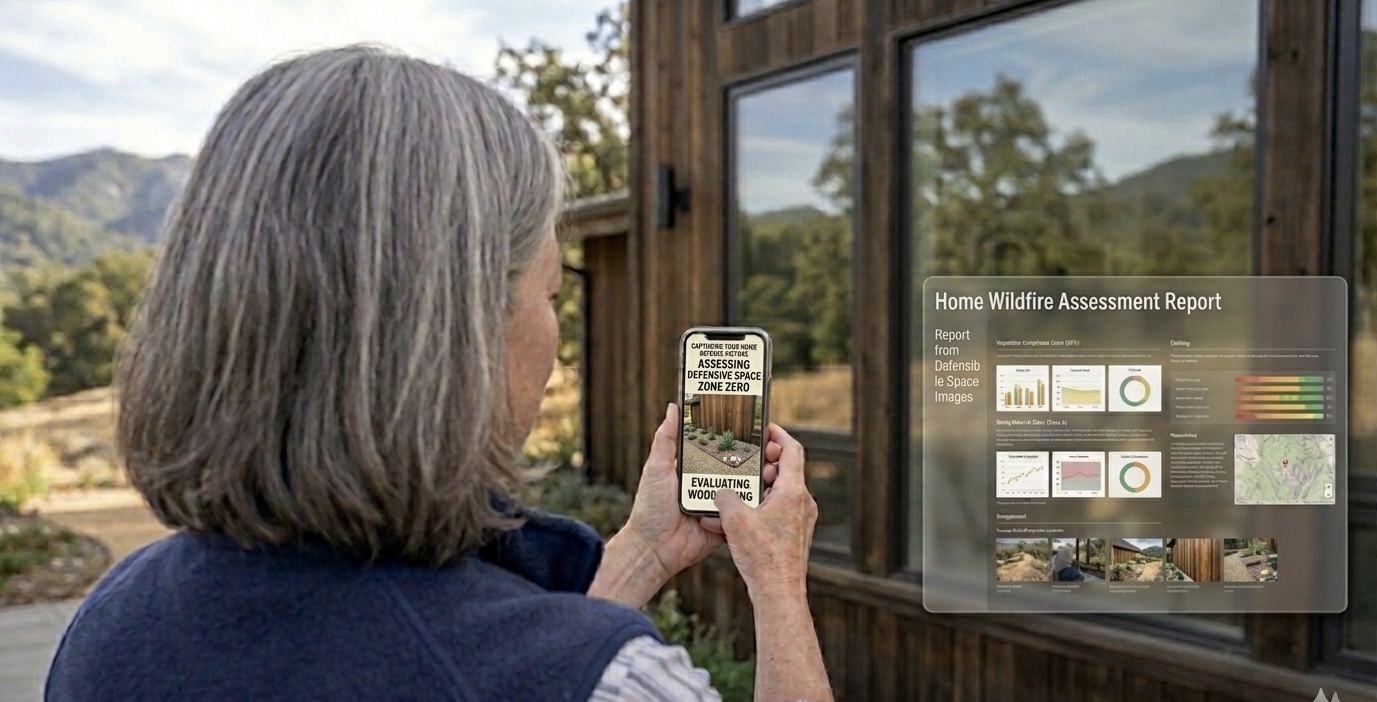
Upload photos of your roof and our assessment evaluates your roofing material, underlayment condition, gutters, and ridge details against Chapter 7A requirements.
- Photo-based assessment of every exterior element
- Code citations matched to your specific property
- Prioritized action plan with difficulty levels
Takes about a minute. No account needed.
Common Questions
What is a Class A fire-rated roof?
A Class A fire-rated roof is the highest fire-resistance classification under ASTM E108. It means the entire roof assembly (not just the surface material) withstands severe fire exposure from burning brands, intermittent flame, and sustained radiant heat. Standing seam metal, concrete tile, clay tile, and natural slate are inherently Class A. Asphalt shingles achieve Class A as an assembly when installed over fire-rated underlayment.
Are wood shakes still allowed in California fire zones?
No. Wood shakes and shingles are banned in all California Fire Hazard Severity Zones and Wildland-Urban Interface areas under Chapter 7A. This includes pressure-treated and fire-retardant treated wood shakes. If your home currently has a wood shake roof, you will be required to replace it with a Class A assembly when the roof reaches end of life or when a re-roofing permit is triggered.
What is the best roofing material for wildfire zones?
Standing seam metal roofing is the top performer for wildfire resistance. It is noncombustible, sheds debris naturally, and lasts 40 to 60 years or more. Concrete or clay tile is equally fire resistant with an even longer lifespan of 50 to 100+ years, though it requires more structural support due to weight. For the most affordable option, Class A asphalt shingles with WUI-listed underlayment like MFM Ultra HT provide strong protection at lower cost.
How much does a fire-rated roof replacement cost?
Standing seam metal roofing typically costs $12 to $25 per square foot installed. Concrete tile runs $10 to $20 per square foot. Class A asphalt shingles are the most affordable at $5 to $10 per square foot. For a typical 2,000 square foot California home, expect $15,000 to $50,000 for a full re-roof depending on the material.
Does a fire-rated roof lower my insurance premium?
A Class A roof is one of the primary criteria insurance companies evaluate when underwriting homes in wildfire zones. The California Department of Insurance Safer from Wildfires framework specifically credits Class A roofing. Having a documented Class A assembly can help maintain your insurance eligibility and may reduce premiums, especially in areas where carriers have been tightening underwriting standards.
Related Home Hardening Guides
Enclosed Eaves
Seal the underside of your roof overhang
Ember-Resistant Vents
Block embers from entering your attic
Fire-Resistant Siding
Protect your exterior walls
All Home Hardening Products
Complete OSFM-listed materials guide
Fire-Resistant Decking
PVC and composite options
Wildfire Assessment Report
Photo-based evaluation of your property
Source: 2025 OSFM WUI Listed Products Handbook, published by CAL FIRE Fire Engineering and Investigations Division. This guide is for informational purposes. Consult your local building department and a licensed contractor for specific approvals in your jurisdiction.