Mill Valley Wildfire Protection: Fire Zone, Insurance and Home Hardening
Mill Valley sits in a box canyon on Mount Tamalpais, and nearly every property in town carries wildfire risk. CAL FIRE classifies it as a Very High Fire Hazard Severity Zone. The 1929 fire destroyed 117 homes in three days, and the conditions that caused it have not changed. Steep terrain, dense vegetation, narrow roads out. In 2025, the state expanded the hazard boundaries even further into Mill Valley.
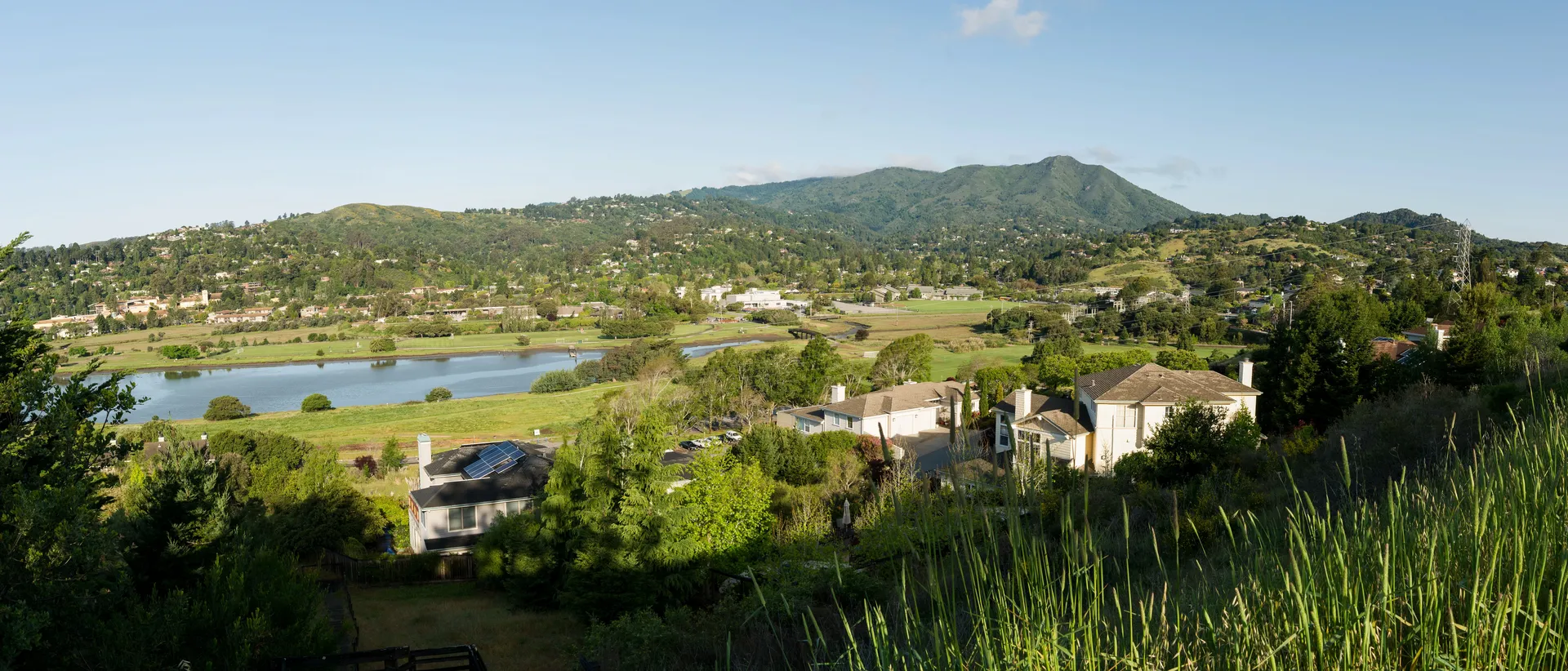
Photo by Frank Schulenburg, CC BY-SA 3.0, via Wikimedia Commons
Mill Valley at a Glance
Keeping Home Insurance in Mill Valley
Multiple insurers have non-renewed policies across Marin County since 2020. FAIR Plan enrollment has increased significantly. Homeowners report difficulty finding voluntary market coverage for VHFHSZ properties.
A Very High designation can affect underwriting, and selling a home in these zones brings state inspection and disclosure steps. Biennial evaluations by the Marin Wildfire Prevention Authority are not the same as point-of-sale documentation, so keep both if you have them.
California regulation 10 CCR 2644.9 lists the mitigation insurers must recognize. Document ember-resistant vents, enclosed eaves and a clean 5-foot zone with dated photos before you ask for a revised wildfire score.
Many Mill Valley homeowners pair hardening with automated wildfire sprinklers that wet the roof and eaves before embers arrive.
Got a notice from your insurer? Here is what to do after a non-renewal.
Mill Valley's 2025 Fire Hazard Map
After the State Fire Marshal released new Local Responsibility Area maps on February 24, 2025, the Southern Marin Fire Protection District held a first reading on April 23, 2025, closed comment April 28, and adopted its ordinance designating the zones on May 26, 2025, covering Mill Valley. The update expanded Very High zones in hillside areas, including the Mill Valley and Tam Valley hills.
Properties remain subject to both the district's wildland-urban interface rules and the City of Mill Valley's own standards. Use the district's 2025 maps, not older documents, when you check your parcel.
If You Lose the Home
Mill Valley Has Burned Before and Recovery Is Hard
Mill Valley's fire history is not hypothetical. The 1929 fire destroyed 117 homes in three days, driven by wind through the same steep terrain and dense vegetation that exist today. CAL FIRE designates the city as a Very High Fire Hazard Severity Zone, and the narrow roads that make the town so appealing also make evacuation and fire access genuinely difficult. Residents who have studied what happens after a major fire elsewhere know that the financial and administrative recovery can be as punishing as the event itself.
52%
Half of Claims Unresolved After a Year
A full year past the 2017 Tubbs Fire, insurance settlements remained out of reach for 52 percent of residents whose homes had been destroyed. In a place like Mill Valley, where nearly every property carries wildfire exposure, that kind of delay affects whole neighborhoods at once.[1]
80+ pages
Documenting Losses Is Exhausting Work
After the 2017 Napa and Sonoma fires, an attorney described the claims process as having a second full-time job, and one homeowner called the contents inventory, often 80 pages or more, spreadsheet hell. Mill Valley's older homes full of accumulated belongings make that task especially daunting.[2]
61%
Replacement Estimates Frequently Inadequate
In a year-one survey of 2025 Los Angeles wildfire households, 61 percent said their insurer's replacement cost estimate was inadequate. Mill Valley's hillside construction costs and architectural complexity can make accurate pre-loss coverage harder to get right.[3]
“It’s been a year nightmare for us. I hardly have enough sleep at night.”
Historical Fire Record
The terrain and vegetation that define Mill Valley have fueled fires here for over a century.
Mill Valley Fire
Started near railroad tracks on July 2. Driven by 30 mph winds, it burned for three days and destroyed 117 homes, causing over $1 million in damages.
Carson Canyon Fire
Burned 18,000 acres over seven days on Mount Tamalpais, destroying a sawmill and threatening Mill Valley neighborhoods.
Corte Madera-Mill Valley Fire
A major fire threatened Mill Valley, Larkspur, and Corte Madera. Only a sudden rainstorm prevented widespread destruction.
Mount Tamalpais Fire
A land-clearing fire burned for seven days and consumed approximately 65,000 acres across the mountain.
Why Mill Valley Faces Elevated Risk
Box Canyon Topography
Mill Valley sits in a steep box canyon on the flanks of Mount Tamalpais. Narrow gorges act as natural fire chimneys, concentrating heat and accelerating flames upslope toward residential areas.
Dense Vegetation Fuel Load
Redwood forests, chaparral, and non-native eucalyptus create heavy fuel loads. Dense canopy cover and accumulated duff on the forest floor provide continuous fuel from ground to treetop.
Offshore Wind Exposure
Hot, dry offshore winds arrive in early fall following dry summers. Under these conditions, fire officials warn that 30 mph winds can push fire through Mill Valley with devastating speed.
Limited Evacuation Capacity
Narrow, winding roads throughout Mill Valley create bottlenecks during evacuation. The city has over 175 pedestrian paths but limited vehicle egress routes from hillside neighborhoods.
Sources: CAL FIRE incident data, Marin County fire history archives, First Street Foundation.
Live Bay Area fire status
Track active incidents, Red Flag Warnings, air quality, and PSPS power shutoffs across the greater Bay Area, updated throughout the day.
The Problem
Most Homes Have 3-5 Wildfire Vulnerabilities
Embers cause most home ignitions. They enter through vents, collect under decks, travel along fences, and ignite vegetation at the foundation.
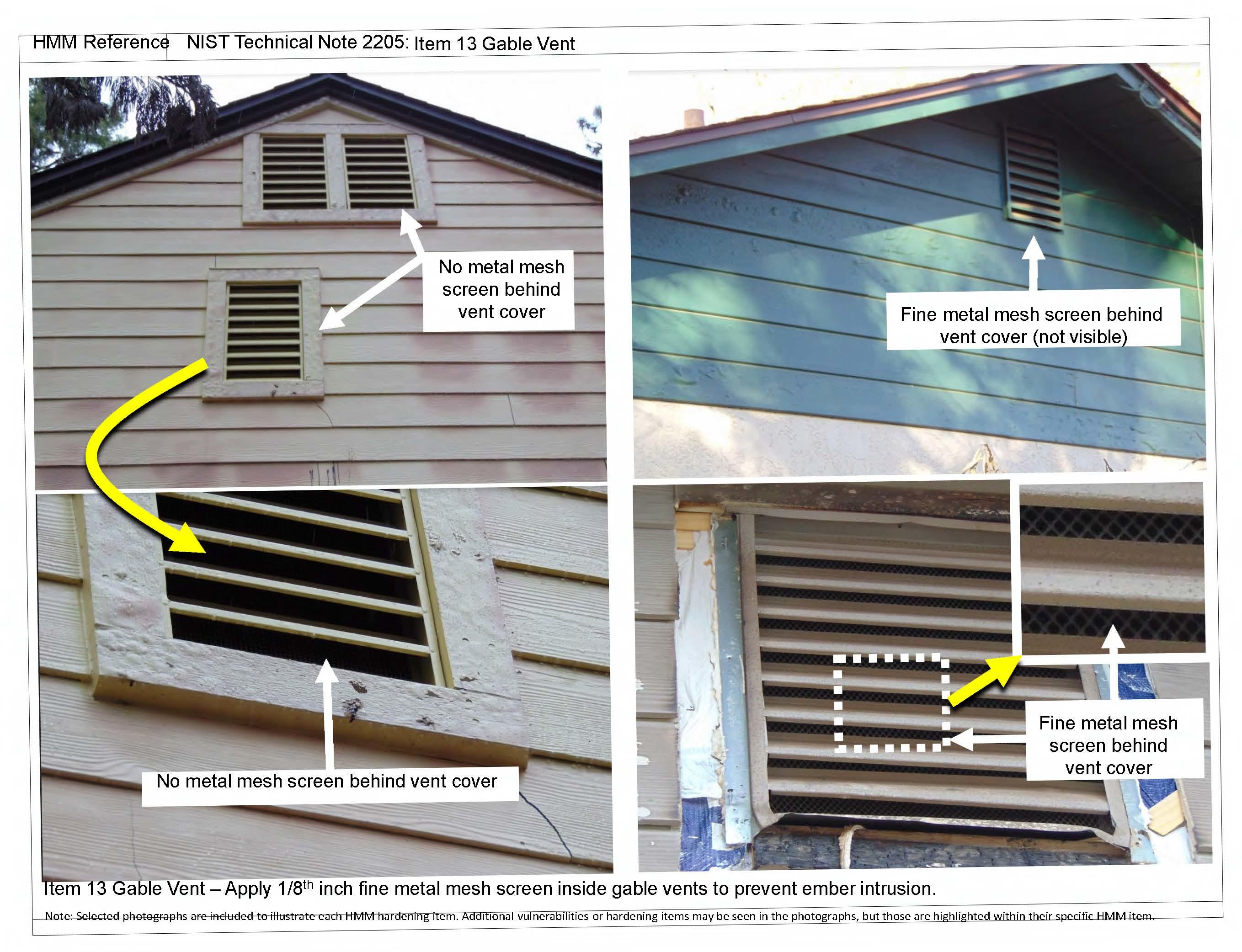
Unscreened vent
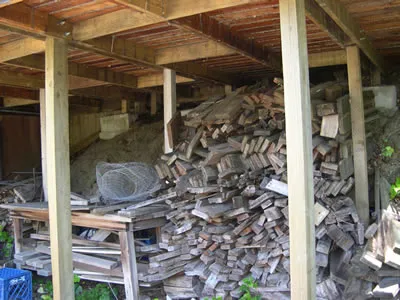
Open deck skirting
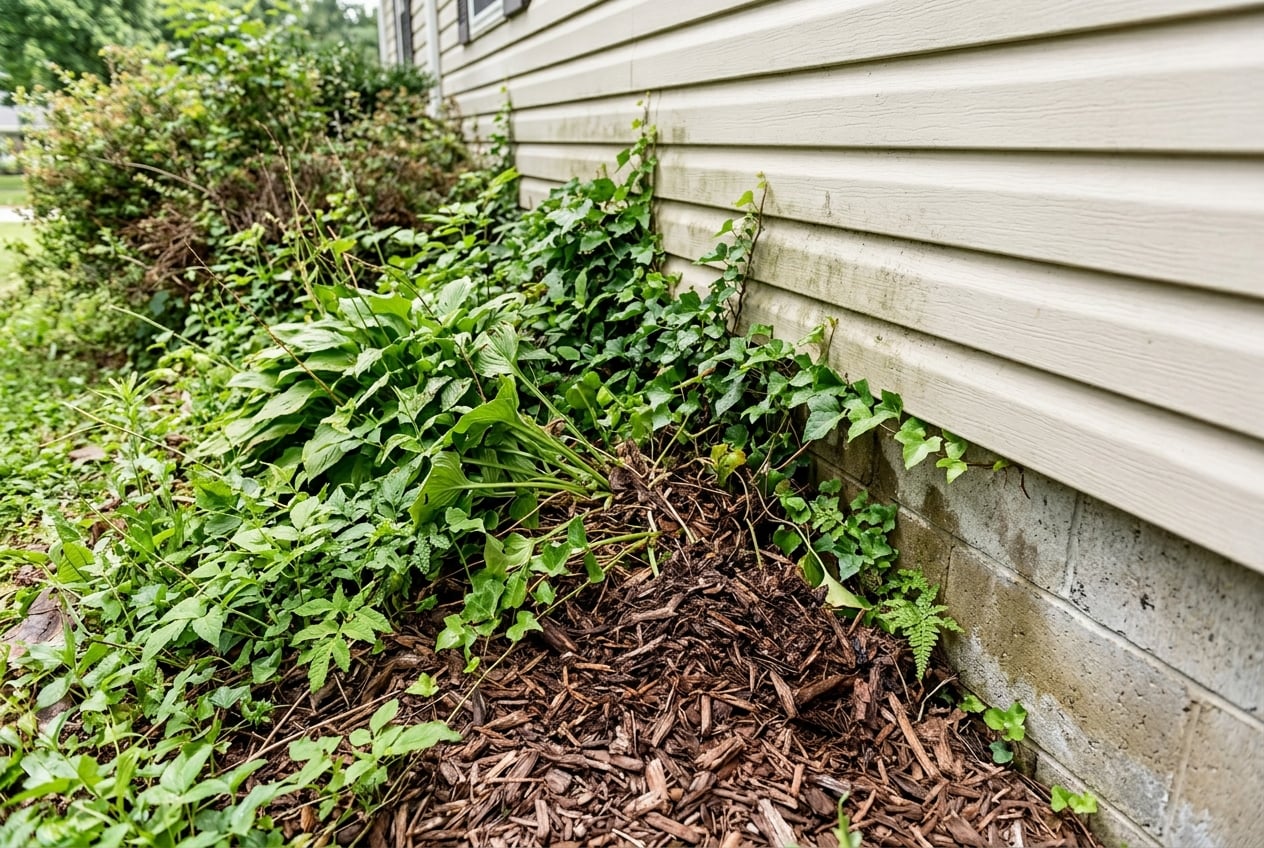
Zone 0 violation
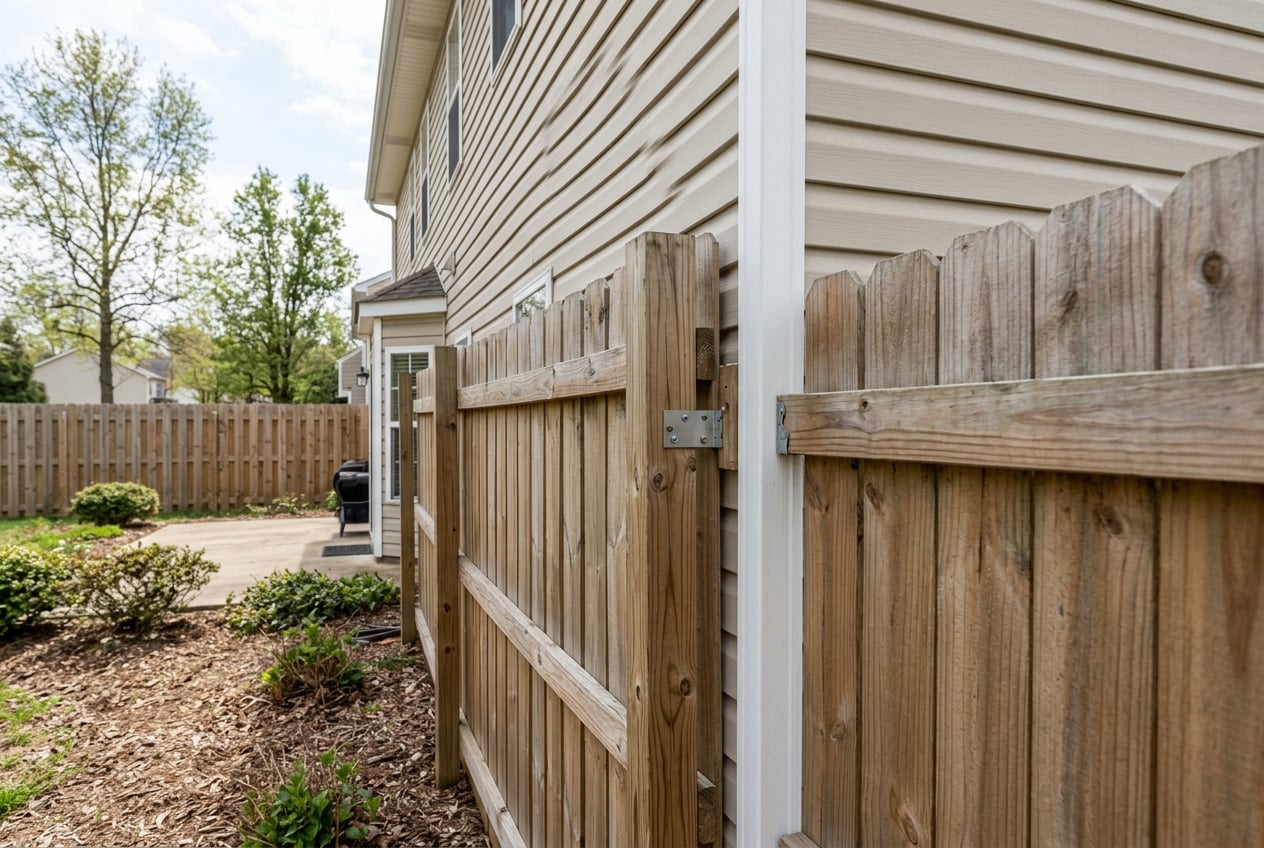
Fence flame path
Free Wildfire Map
Enter any California address to see fire hazard severity zones, vegetation density, and nearby fire history.
Open Free Wildfire MapDefensible Space & Home Hardening
California law requires property owners in fire hazard zones to maintain defensible space and harden their homes.
Ember-Resistant Zone
0-5 ft
Remove all combustible material within five feet. No mulch, no plants, no firewood. Hardscape only.
Lean, Clean, and Green
5-30 ft
Well-spaced, low plants. Trim branches 6 ft from ground. 10 ft between canopies. Grass to 4 inches.
Fuel Reduction Zone
30-100 ft
Remove ladder fuels. Space shrub groups. Create vertical gaps between ground cover and canopies.
Priority Order
Screen all vents with 1/8-inch metal mesh
Clear Zone 0 (first 5 feet)
Clean gutters and roof of debris
Replace or disconnect wood fence at house
Enclose open eaves and soffits
Enclose or screen deck skirting
Exterior Sprinkler Systems
FireRoofs designs and coordinates automated exterior sprinkler systems in our Bay Area service area (41 communities). They saturate the property before fire arrives, buying critical time.Mill Valley is not in our installation area, but the Home Wildfire Assessment Report identifies which hardening measures will have the greatest impact on your property.

Common Questions
Is Mill Valley in a high fire hazard zone?
Yes. CAL FIRE designates Mill Valley as a Very High Fire Hazard Severity Zone (VHFHSZ). In 2025, CAL FIRE released updated maps that expanded the VHFHSZ boundaries even further into Mill Valley. Approximately 99% of properties in Mill Valley have some level of wildfire risk according to First Street Foundation. The designation is based on the city's steep topography, dense vegetation, and documented fire history.
What was the last major wildfire near Mill Valley?
The most destructive fire in Mill Valley's history was the 1929 Mill Valley Fire, which destroyed 117 homes over three days after starting near railroad tracks and being driven by 30 mph winds. The 1945 Carson Canyon Fire burned 18,000 acres on Mount Tamalpais. While no large fire has burned directly through Mill Valley in recent decades, fire officials emphasize that the conditions that produced those historic fires still exist and have worsened with climate change and increased development.
Will wildfire risk affect my insurance in Mill Valley?
It already has for many homeowners. Multiple insurers have non-renewed policies across Marin County, and FAIR Plan enrollment has increased significantly. FAIR Plan policies provide basic fire coverage but are limited in scope and often require a supplemental Difference in Conditions (DIC) policy. California's Safer from Wildfires regulation (Regulation 2644.9) now requires admitted insurers to factor documented home hardening and defensible space improvements into their risk assessments. Documenting your property's mitigation measures is the strongest step you can take.
What is the cheapest way to protect my Mill Valley home from wildfire?
Start with Zone 0 (the first five feet around your home). Remove all combustible material, mulch, and vegetation within five feet of your foundation, decks, and attachments. Clean gutters and roof of debris. Screen attic and crawlspace vents with 1/8-inch metal mesh. Remove any wood fence that connects directly to your house. These steps cost little to nothing and address the ignition pathways that embers exploit. The Marin Wildfire Prevention Authority offers free defensible space assessments for Mill Valley residents.
How does a photo-based wildfire assessment work?
A photo-based wildfire assessment is a 30-minute guided phone session where you walk around your property and photograph specific elements: vents, eaves, decks, fencing, roof, vegetation clearance, and attachments. A wildfire defense specialist analyzes each photo against California Building Code Chapter 7A, PRC 4291, and AB 38 requirements. You receive a written report with photo-by-photo findings, code citations, a prioritized action plan, defensible space zone ratings, and insurance documentation you can hand to your broker or any local contractor.
Not in our service area
Questions about your property?
FireRoofs designs and coordinates sprinkler systems in our Bay Area service area. If your home is outside it, contact us and we will point you in the right direction.
This page is not an emergency resource. If you see fire or smoke, call 911. For evacuation alerts in Marin County, register for AlertMarin.