Milpitas Wildfire Protection: Fire Zone, Insurance and Home Hardening
Milpitas may be known for its tech corridor and the Great Mall, but its eastern edge rises into the Diablo Range where wildfire risk is very real. Neighborhoods along Calaveras Road, Hillview Drive, and the eastern slope of Ed Levin County Park back directly onto steep grassland that dries to flash fuel every summer. In 2020, a 4-alarm grass fire on the hillside above Calaveras Boulevard forced evacuations of homes along the ridgeline. The city's eastern WUI boundary has been expanded in the 2025 FHSZ reclassification, and several hundred homes now carry fire hazard designations that trigger new insurance and disclosure requirements.
CAL FIRE Risk Designation
Santa Clara County
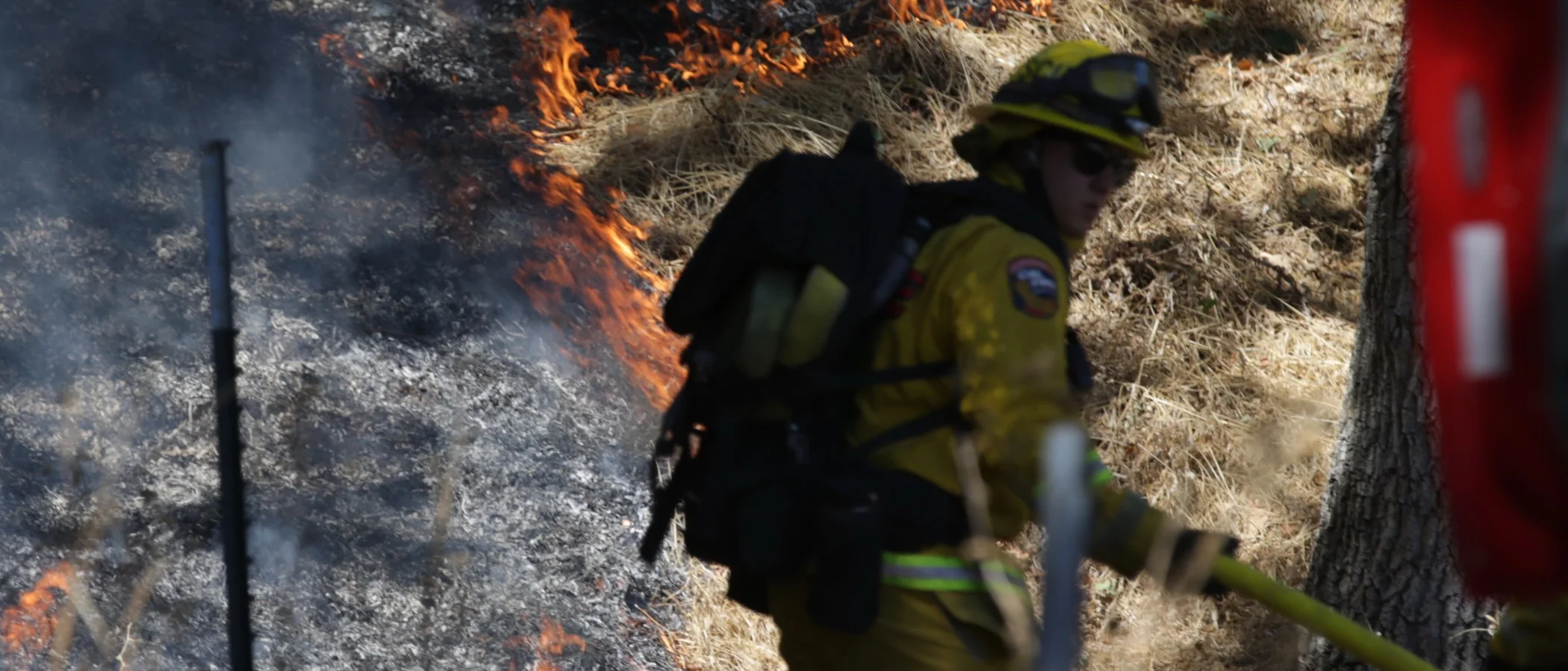
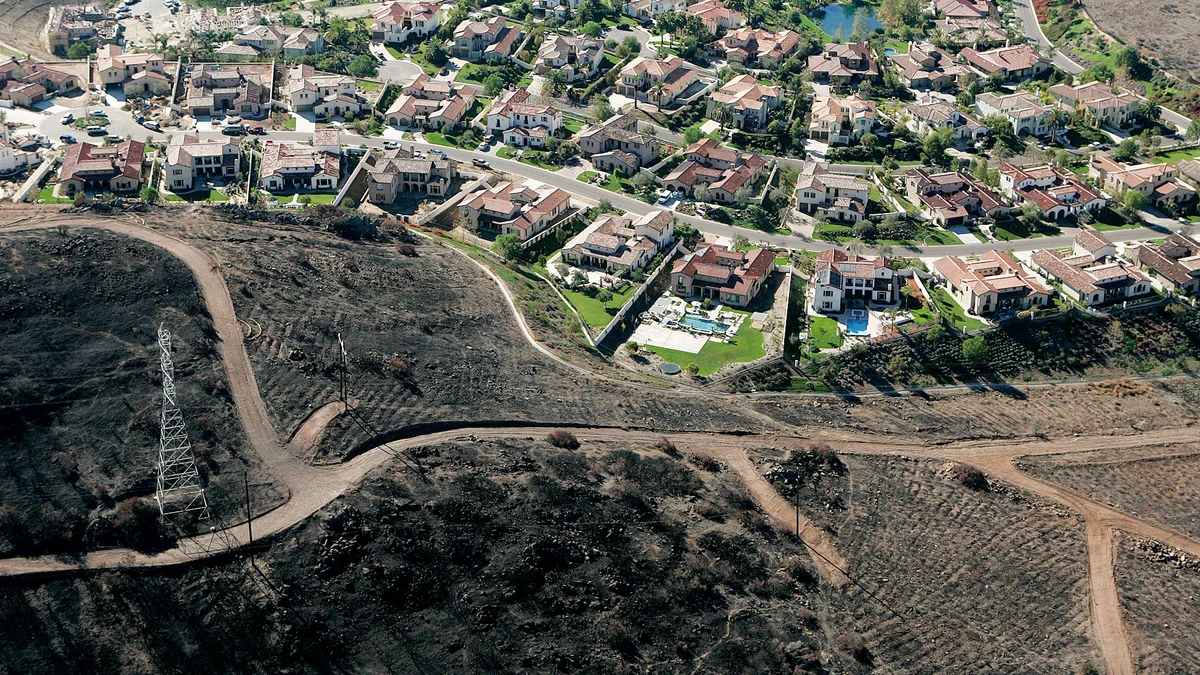
Milpitas' eastern hillsides along Calaveras Road and Ed Levin Park transition sharply from suburban development to fire-prone grassland.
Milpitas Fire Protection Resources
Fire Hazard Zone Lookup
Check whether your Milpitas address is in a Very High, High, or Moderate Fire Hazard Severity Zone using CAL FIRE 2025 maps.
Look up your addressEvacuation Map
Santa Clara County evacuation zones, routes, and real-time status during active incidents.
Santa Clara County Evacuation Map (Genasys Protect)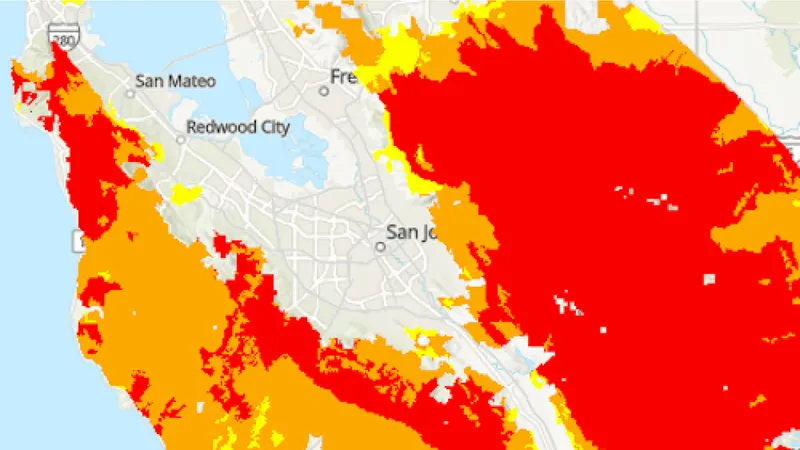
CAL FIRE Very High Fire Hazard Severity Zones (VHFHSZ) shown in red/orange
Source: CAL FIRE Fire Hazard Severity Zone data via Bay Area News Group
CAL FIRE High Fire Hazard Severity Zone
Very High and High FHSZ designations in eastern hillsides. City core is Moderate or not designated. Updated per 2025 CAL FIRE maps. Local Responsibility Area.
Milpitas's Wildfire Record
Understanding past fires helps predict future risk. Here are the most significant fire events near Milpitas.
The SCU Lightning Complex burned to the east in the Diablo Range but did not enter Milpitas. The city experienced smoke impacts and air quality advisories.
Several small grass and brush fires have occurred in Milpitas hills over the years. No major structure-destroying wildfire within city limits in recent memory.
Local Risk Factors
Eastern Hillside WUI
Eastern and northeastern Milpitas neighborhoods border undeveloped grassland and oak woodland in the Diablo Range foothills, creating direct wildland-urban interface conditions.
Fast-Moving Grass Fires
Annual grassland on eastern hillsides dries out in summer, creating significant fuel loading. Diablo wind events can drive fast-moving grass fires downhill toward residential areas.
Adjacent Open Space
Ed R. Levin County Park, Alum Rock Park, and Sierra Vista Open Space Preserve create significant wildland fuel adjacent to residential areas on the eastern edge.
Limited Hillside Egress
Eastern hillside neighborhoods including Hidden Lake, Spring Valley, and hillside subdivisions have limited evacuation route options.
Live fire status near Milpitas
Track active incidents, Red Flag Warnings, air quality, PSPS power shutoffs, and evacuation resources for the Santa Clara County area, updated throughout the day.
Request a private consultation. We will design and install the right sprinkler and hardening system for your home.
Request a Private ConsultationMilpitas Fire Environment
Vegetation Types
Wind Patterns
Diablo wind events from the east drive fast-moving grass fires; Red Flag Warnings multiple times per fire season
Topography
Flat valley floor in the west transitioning to Diablo Range foothills in the east. Eastern hillside neighborhoods have moderate to steep slopes with direct wildland adjacency.
Protecting Your Milpitas Home & Family
Living in a fire-prone area means being proactive. Here are the steps every Milpitas homeowner should take to protect their property and prepare for wildfire season.
Evacuation Planning
Know routes to I-680, I-880, and Calaveras Boulevard. Eastern hillside neighborhoods have limited egress. Report overgrown weeds and vegetation concerns to the Office of the Fire Marshal at 408-586-3365.
Defensible Space
Eastern hillside properties are subject to 100-foot defensible space requirements with annual enforcement during fire season. Weed abatement is a significant annual focus in hillside areas. Contact Fire Prevention at 408-586-3365 for guidance.
Your Local Fire Safe Council
Santa Clara County Fire Safe Council
Milpitas Wildfire Preparedness Resources
Milpitas Fire Prevention
Fire Prevention Bureau handles wildfire education, inspections, and vegetation complaints.
City of MilpitasGo Milpitas Wildfire Guide
Community wildfire preparedness guide with local resources and seasonal tips.
Go MilpitasSanta Clara County Fire Safe Council
Free chipper programs and regional wildfire preparedness resources.
SC County Fire Safe CouncilProtect Your Milpitas Home with FireRoofs
- Ember-resistant vents, enclosed eaves and noncombustible fencing
- Zone 0 hardening within 5 feet of the house
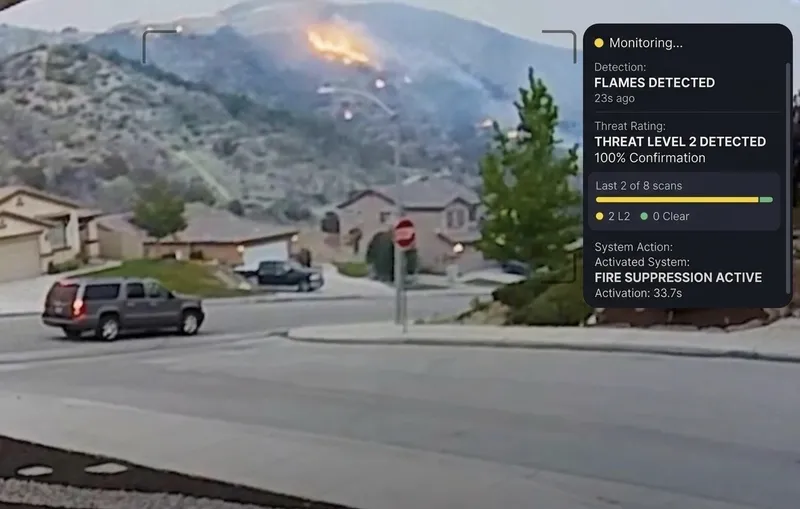
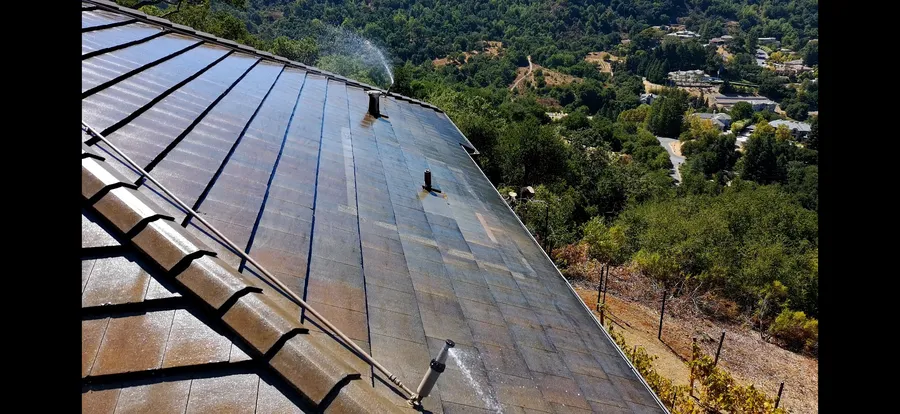
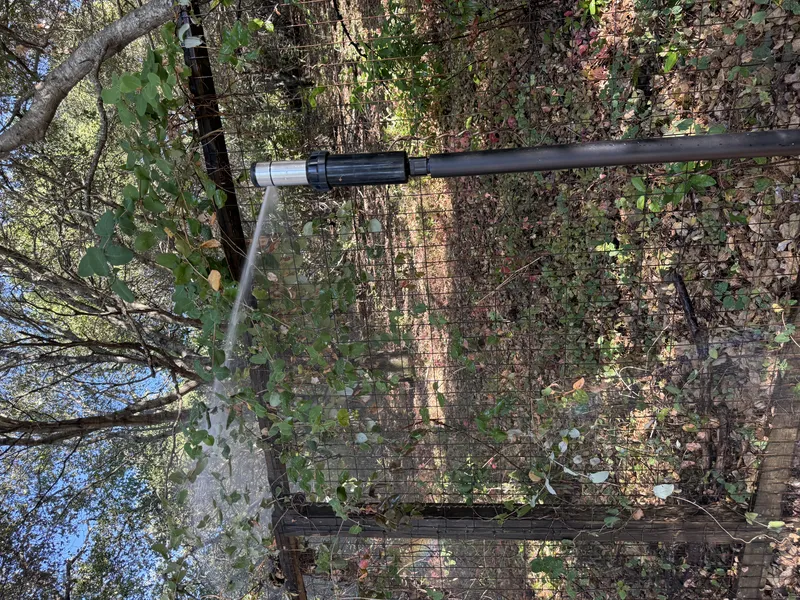
- Automated exterior sprinklers for roof and perimeter
- One insurance documentation packet for every upgrade
Local Wildfire Resources for Milpitas Homeowners
Rules and requirements can change. Verify current requirements with your city or fire district before taking action.
Tree Removal and Defensible Space Rules
Milpitas follows city and county tree preservation with fire hazard exemptions. Protected tree permits required. Weed abatement is a significant annual focus in hillside areas. Office of the Fire Marshal at 408-586-3365 handles vegetation complaints.
Fire Hazard Severity Zone: Very High and High FHSZ in eastern hillsides. City core is Moderate or not designated. Updated per 2025 CAL FIRE maps. Local Responsibility Area.
Free Programs for Milpitas Homeowners
- Milpitas Fire Department community education
- Santa Clara County Fire Safe Council chipper programs
- Access to regional wildfire preparedness resources
Your Fire District
Milpitas Fire Department (independent city department, not SCCFD)
Community Designations
- Part of Santa Clara County Fire Safe Council service area
- Potential Firewise USA participation in hillside neighborhoods
Community designations like Firewise USA and Fire Risk Reduction Community may qualify homeowners for insurance benefits under California's Safer from Wildfires regulation.
Nearby Communities We Serve
FireRoofs also installs wildfire defense systems in neighboring communities with similar WUI risk profiles.
If You Lose the Home
Losing a Milpitas Hillside Home to Wildfire
Milpitas has not had a structure-destroying wildfire within city limits in recent memory, but the eastern hillside neighborhoods along Calaveras Road back directly onto Diablo Range grassland that dries to flash fuel every summer. The 2025 FHSZ reclassification now places several hundred homes under formal fire hazard designations, which changes what homeowners owe in disclosure and what they need from their insurance. What happens after a total loss is worth thinking through before fire season arrives.
$247/sq ft
Coverage gaps cost homeowners dearly
A survey conducted by United Policyholders among households affected by the 2025 Los Angeles wildfires within the first year revealed that 69 percent of participating respondents carried policies insufficient to meet their needs, with the average shortfall reaching $247 per square foot. Milpitas hillside homes are not cheap to build or replace, and a gap that large adds up fast.[1]
$700-$800/sqft
Post-fire construction costs surge
A 2022 survey cited by the Santa Cruz County Grand Jury found construction costs after the CZU Lightning Complex climbed to $700 to $800 per square foot, up from roughly $200 to $300 before the fire. Policies written at pre-disaster rates rarely account for that kind of shift.[2]
69%
Claim delays compound the hardship
A 2025 Los Angeles survey found that claim payment delays affected 69 percent of households, while 68 percent of households experienced slow communications from their insurer. For families displaced from a hillside Milpitas home, months without resolution means months of uncertainty about where to live.[1]
“I have moved six times. And I’m going to have to move a seventh time. And there is nothing to rent.”
Keeping Home Insurance in Milpitas
Homeowners in Milpitas are facing surging FAIR Plan rates and non-renewals from private carriers. California's Safer from Wildfires framework now requires participating insurers to offer discounts for documented mitigation systems. FireRoofs provides the engineering documentation and evidence packet designed to help you qualify for the voluntary market.
Milpitas home values are moderate by Bay Area standards. Hillside homes in Spring Valley and Country Club subdivisions can exceed $2M-$4M. Some luxury properties approach or exceed the $3M FAIR Plan cap.
Got a notice from your insurer? Here is what to do after a non-renewal.
Request a Private ConsultationProtect Your Milpitas Property Today
Every Milpitas property is different. Request a private consultation of your home's wildfire exposure and a custom defense plan.
Common Questions
What wildfire risk does Milpitas face?
Milpitas is designated a High fire risk zone by CAL FIRE. Santa Clara County fire maps confirm elevated exposure driven by annual grassland and scattered oak woodland fuel loads and dry-season wind patterns. Eastern and northeastern Milpitas neighborhoods border undeveloped grassland and oak woodland in the Diablo Range foothills, creating direct wildland-urban interface conditions.
Do exterior wildfire sprinklers qualify for an insurance discount in Milpitas?
Exterior sprinklers are not one of the named Safer from Wildfires categories, so no carrier is required to discount for them. A documented FireRoofs project produces evidence for the categories that are named, such as ember-resistant vents, enclosed eaves, defensible space and a noncombustible Zone 0. Discounts vary by carrier.
Which areas of Milpitas face wildfire risk?
Eastern and northeastern Milpitas neighborhoods bordering the Diablo Range foothills face the highest risk. Areas near Ed R. Levin County Park, Spring Valley, and hillside subdivisions have Very High FHSZ designation. The city core and western areas have minimal wildfire exposure.
Who handles wildfire complaints in Milpitas?
The Office of the Fire Marshal at 408-586-3365 handles complaints about overgrown weeds and dead vegetation. The Fire Prevention Bureau manages wildfire education, inspections, and vegetation enforcement.
Is Milpitas served by SCCFD?
No. Milpitas has its own independent Fire Department, separate from the Santa Clara County Fire Department. However, Milpitas participates in Santa Clara County joint wildfire preparedness campaigns and residents can access Fire Safe Council resources.